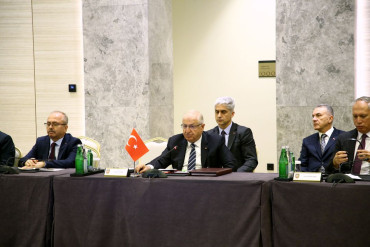
Mali Withdraws Recognition of Western Sahara Republic in Strategic Shift
Editor:
Halimatou HAMADOU DJIBO


Bamako backs Morocco’s autonomy plan, signaling a major diplomatic realignment in a long-standing regional dispute.
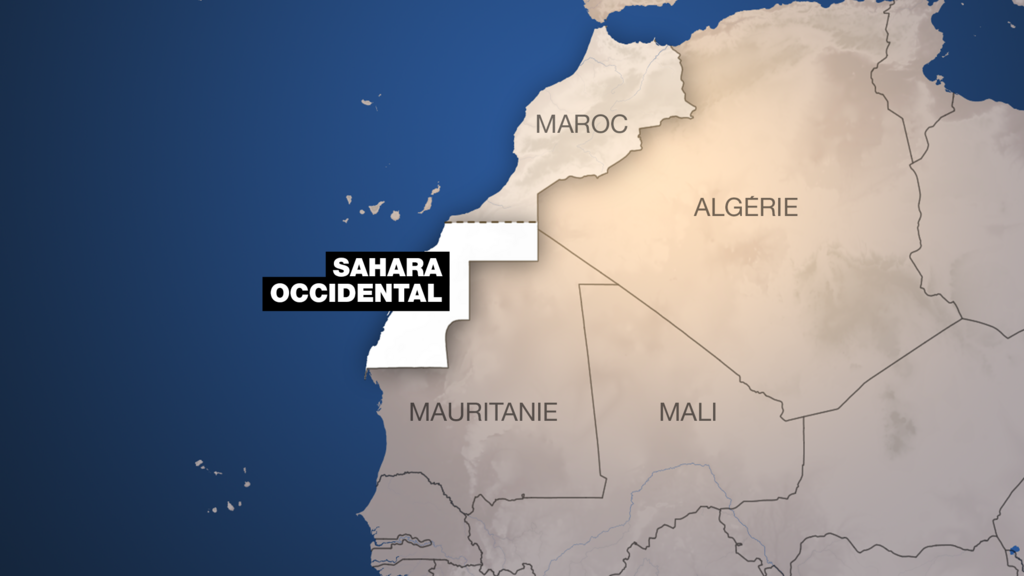
Mali has officially withdrawn its recognition of the Sahrawi Arab Democratic Republic (SADR), marking a significant shift in its foreign policy after more than four decades. The announcement was made in Bamako by Foreign Minister Abdoulaye Diop, who emphasized the move as part of strengthening strategic ties with Morocco.
The decision reflects Mali’s support for Morocco’s autonomy proposal as the basis for resolving the Western Sahara dispute—an issue that has pitted Morocco against the Polisario Front since 1975, with backing from Algeria. Rabat controls most of the territory and considers it part of its southern provinces, while the Polisario advocates for full independence.
Malian authorities stated that the autonomy plan represents the “most realistic and credible solution” for achieving lasting peace and stability. The shift aligns with broader international trends, including growing support for Morocco’s position within the United Nations Security Council, particularly following Resolution 2797 adopted in October 2025.
Moroccan Foreign Minister Nasser Bourita welcomed the move as a “historic decision,” highlighting what he described as a steady decline in international recognition of the SADR and increasing global backing for Morocco’s initiative.
Beyond diplomacy, both countries signaled a deepening partnership across multiple sectors. Morocco announced expanded educational cooperation, including 300 annual scholarships for Malian students and eased travel measures.
The development comes amid a broader geopolitical shift surrounding Western Sahara, with countries such as the United States, Spain, and France endorsing Morocco’s autonomy proposal in recent years—moves that have fueled tensions with Algeria.
While Morocco has framed the latest UN resolution as a diplomatic success, the Polisario Front continues to insist on a referendum for self-determination, and Algeria has criticized the resolution as inconsistent with decolonization principles.
Mali’s policy reversal underscores a changing regional landscape, where diplomatic alignments are increasingly shaped by security concerns, strategic partnerships, and evolving international consensus.
Source: Newstimehub








France rocked by nationwide clashes, fires and looting as cost-of-living protests turn violent
Clashes between police and protesters left streets devastated, shops looted and public buildings ablaze, with 1,200 people arrested and 150 officers injured as anger over rising living costs spills onto the streets.
Africa Finance Corporation eyes iron ore and uranium investments
The Africa Finance Corporation is looking for investments in iron ore and uranium as it seeks to expand its reach in critical minerals projects on the continent.
Saudi Arabia intercepts Houthi missiles as two pilots die in helicopter crash
The coalition blamed a technical fault for the crash and said it intercepted two ballistic missiles targeting southwestern Saudi Arabia.




All rights reserved. Newstimetr © 2026