WHO announces first confirmed Ebola recovery in DRC outbreak
Editor:
Tuğçe Nur Kaya


WHO said the patient’s recovery demonstrates that early detection, rapid isolation and supportive medical care can significantly improve survival chances.
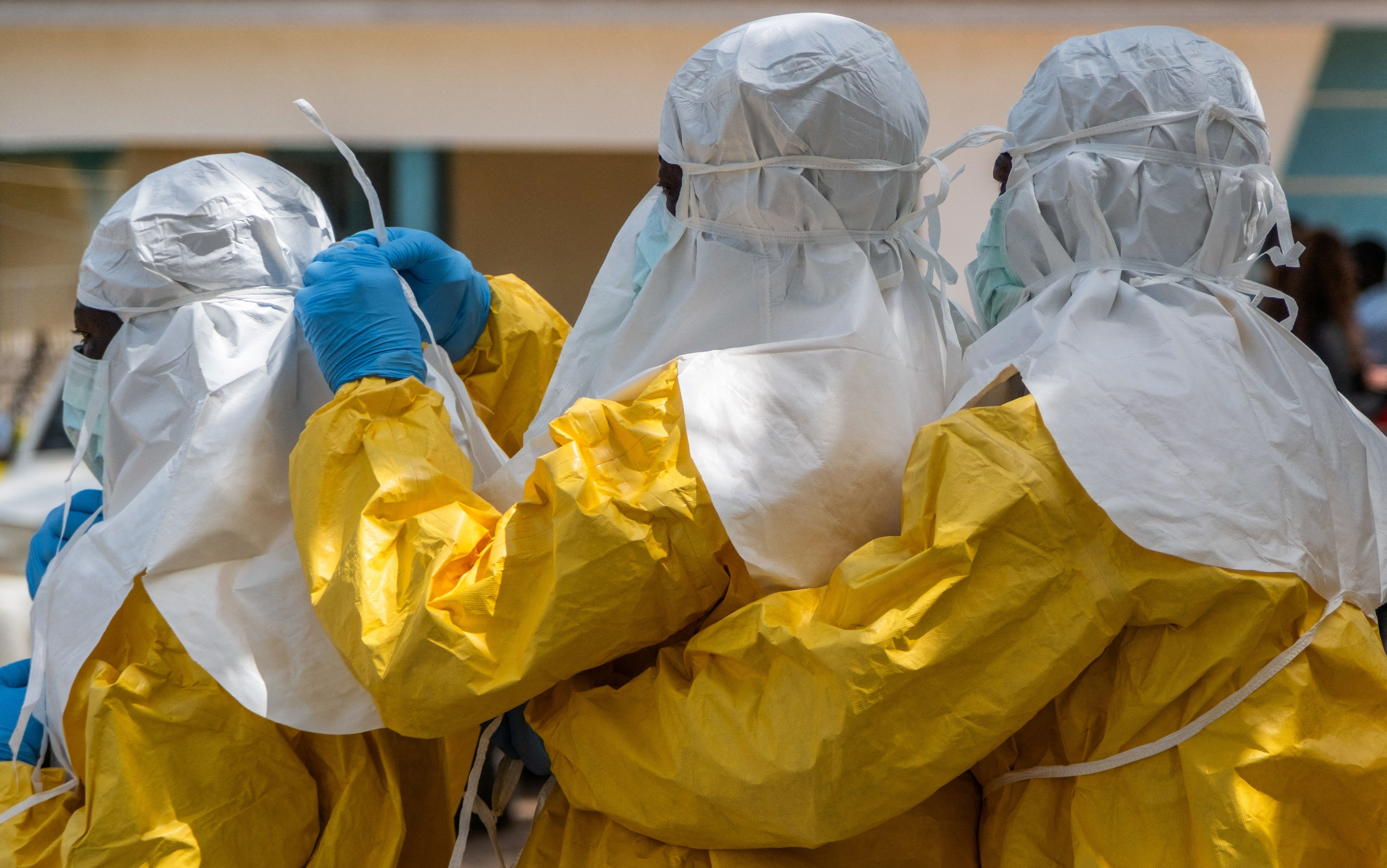
The World Health Organization on Friday announced the first recovery of a confirmed Ebola patient in the outbreak raging in the Democratic Republic of Congo.
"The DRC has said that on May 27, a patient recovered and left the hospital and has been discharged into the community," the WHO's Anais Legand told reporters, adding it was "the first one".
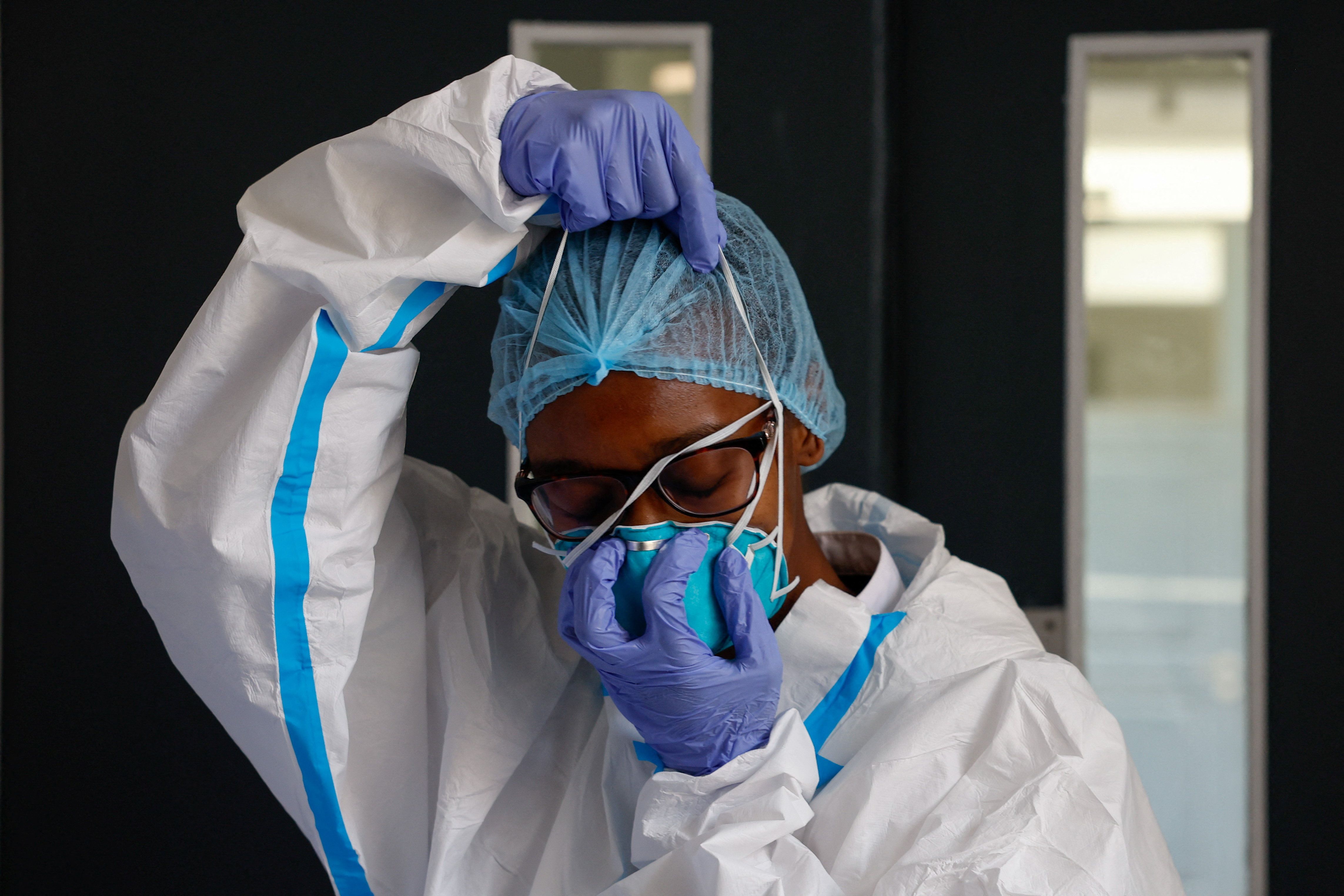
Health officials said the recovered patient had been receiving treatment at a specialised Ebola treatment centre after testing positive during ongoing surveillance and contact-tracing operations linked to the outbreak.
According to the WHO, the patient was discharged after repeated laboratory tests confirmed they were no longer carrying the virus. The recovery is being viewed as an encouraging development for health workers battling to prevent further spread of the disease.
Bundibugyo strain
The latest outbreak, involving the Bundibugyo strain of Ebola, has raised concern among regional and international health authorities because of the strain’s high fatality rate and the challenges of controlling transmission in remote areas with limited medical infrastructure.
WHO officials said the patient’s recovery demonstrates that early detection, rapid isolation and supportive medical care can significantly improve survival chances.
The Democratic Republic of Congo has experienced multiple Ebola outbreaks over the past decades, with authorities often relying on rapid response teams, community engagement and cross-border surveillance to limit transmission.
Health officials are continuing to monitor contacts of confirmed cases while strengthening screening measures in surrounding provinces and neighbouring countries.
International response
The outbreak has already prompted heightened regional preparedness measures, with several African countries reviewing emergency response plans and border health protocols amid fears of cross-border spread.
Medical experts say public cooperation remains critical, particularly in reporting symptoms early and avoiding misinformation surrounding the disease.
Ebola is a severe viral illness spread through direct contact with bodily fluids of infected persons or contaminated materials. Symptoms often include fever, fatigue, vomiting, diarrhoea and, in severe cases, internal and external bleeding.
Although the first confirmed recovery has boosted morale among response teams, WHO warned that additional cases could still emerge as investigations and contact tracing continue in affected communities.
Ghebreyesus in DRC
The UN health chief, who is in the Democratic Republic of Congo to help fight an Ebola outbreak, was due Friday to meet Congolese authorities before heading Saturday to the violence-hit region at the centre of the crisis.
World Health Organization (WHO) head Tedros Adhanom Ghebreyesus arrived in the capital, Kinshasa, late on Thursday, two weeks after the outbreak of the highly contagious haemorrhagic fever was declared.
He had been due to travel on Friday to Ituri, a remote northeastern province that is the epicentre of the country's 17th Ebola outbreak, but the trip has been pushed back by a day.
There have been at least 1,077 suspected cases since the outbreak was declared on May 15, including 246 deaths, the Africa Centres for Disease Control and Prevention (Africa CDC) said.




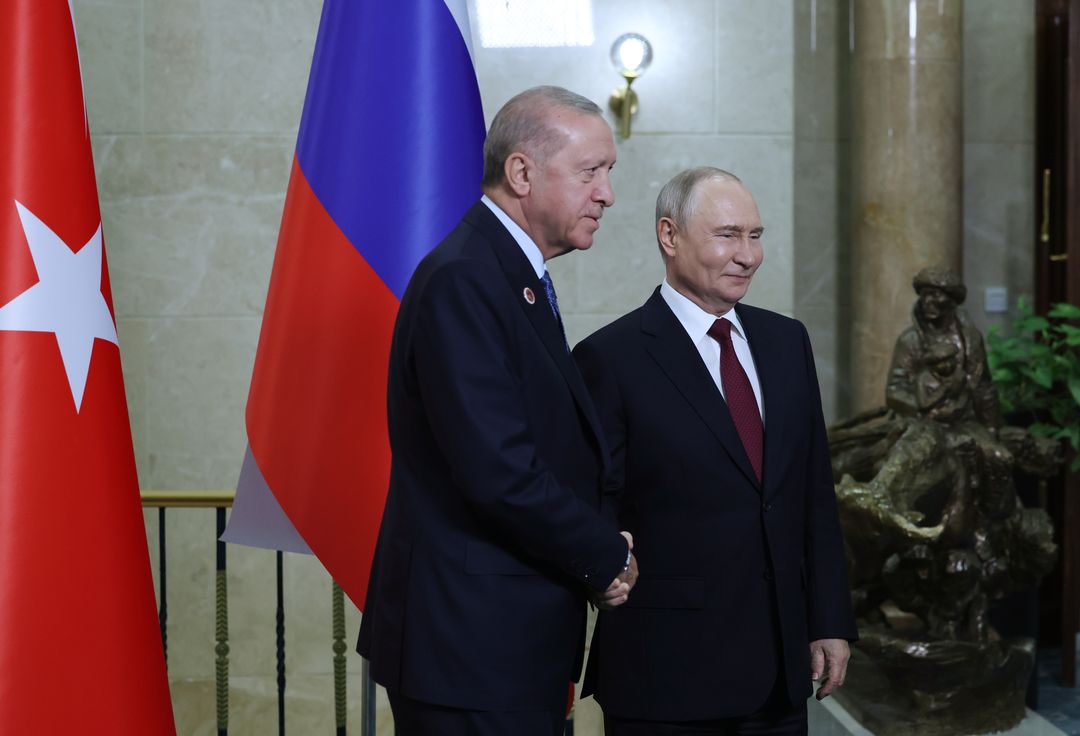
Erdogan, Putin discuss Black Sea safety and Russia-Ukraine contacts in phone call
The Turkish and Russian presidents review bilateral ties and regional developments, with Ankara reaffirming its readiness to support direct dialogue between Moscow and Kiev.
Three years of Gaza genocide: How Israel devastated key infrastructure
Damaged infrastructure, electricity shortages and restrictions on essential supplies have left most households struggling to access safe water and sanitation.
Three years. Two starkly different realities of Palestine and Israel.




All rights reserved. Newstimetr © 2026