
This northern Kenyan settlement inhabited only by Samburu women and children provides a self-governed sanctuary for survivors of violence and social ostracism.
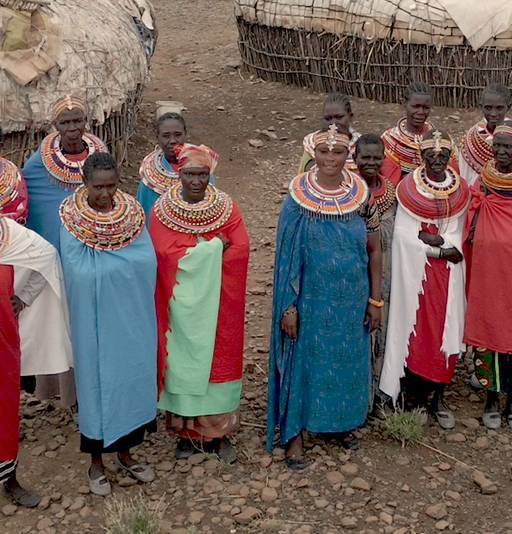
At first glance, Ltungai in Samburu County looks like any other fenced community settlement in the hinterland of northern Kenya. Four manyattas – a cluster each of traditional Samburu homesteads – form a circle where the pulse of life throbs in a familiar rhythm each day.
It takes a while for the outsider to realise that there is something unusual about Ltungai. This isn't just another tribal hamlet. It's a sanctuary of, by and for women, governed by just one unbreakable rule: no man is allowed to live there.
For more than three decades, Ltungai has been home to women who have survived violence and ostracism by their families for no fault of theirs. Thirty-eight women currently live here with their children, creating a self-sustaining community built on shared experience and mutual protection.
Some of these women had been beaten and driven out by their husbands. Others were raped while either grazing livestock or collecting firewood. Instead of receiving sympathy and support, almost all were blamed for their misfortune.
"When bad things happen to us, they say we were careless. Society always finds a way to shift the blame to the victim," Pauline Loldepe, the village leader and coordinator, tells TRT Afrika. "So, we choose to live here."
Journey of emancipation
Every dwelling in Ltungai has been built by the residents with natural materials sourced locally. Wearing colourful traditional wraps, these once-vulnerable women go about their daily tasks with a quiet sense of assurance that comes from knowing they no longer have to conform to societal whims.
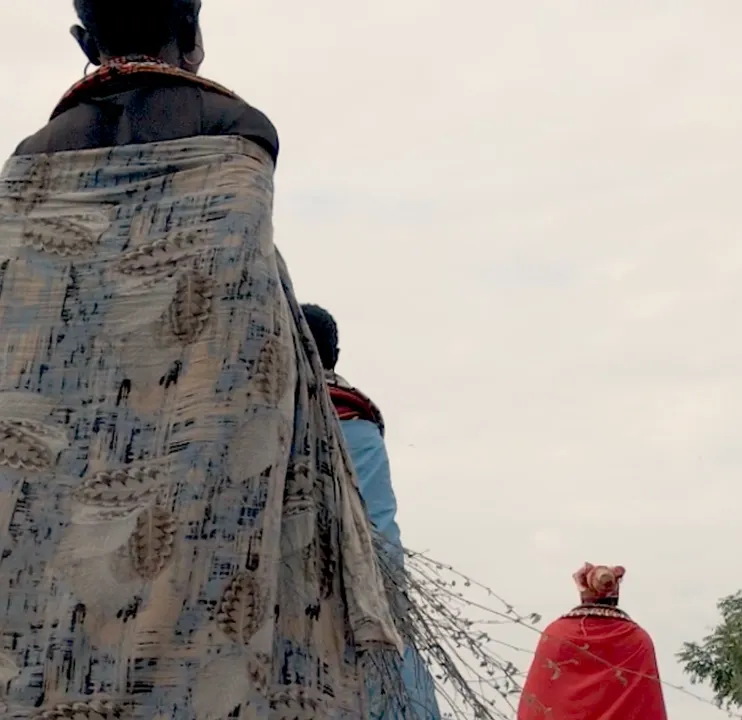
What started as a refuge for women who had nowhere else to go has since evolved into something that will outlive the scars they carry.
"This is our village, a place where we make the rules," says a resident. "No man gets to live here."
Men who fathered children with any of these women are free to visit them, albeit not within the village. The women are also allowed to leave the village to start families and return for support during pregnancy.
But the core principle cannot be compromised, making Ltungai a community where women won't be dictated to under any circumstance.
Up close and personal
A trip to Ltungai provides an insight into how this unique community of women seeks to balance their instinct for self-preservation with their evolving relationship with the world outside.
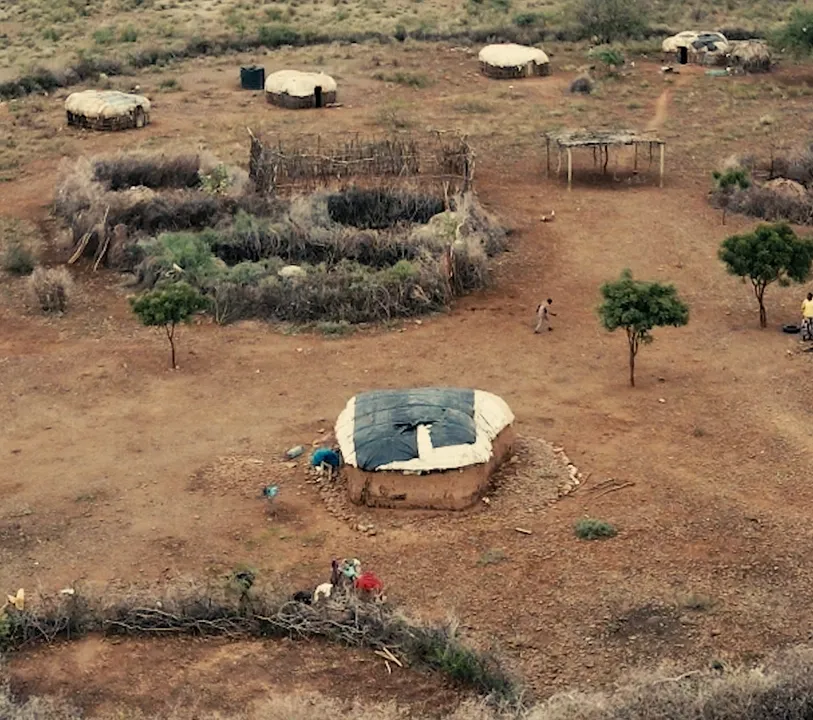
The presence of this writer within the village causes a stir. Pauline, who receives warm greetings from every woman we pass, introduces me to the group. "This one is called Kevin," she tells them. "We are inviting him to stay here tonight so he can see how we live. Please don't chase him away."
The women laugh. After a quick chat among themselves, they agree. Just one night, and strictly under the core group's supervision.
I sleep alone on a goat-skin mattress with a smooth wooden headrest in a hut they have assigned me. As dusk descends, the village falls quiet except for the sound of crickets. I sleep undisturbed.
In the morning, I wake up to birdsong and a Samburu welcome tune from the women. Pauline waits by the hut door.
"Did you sleep well?" she asks. "Soundly," I reply. "You will find peace here. And we also love our men!" Pauline responds.
A woman accompanying her laughs. "We love them dearly. Just that we don't want them in our village," she exclaims.
Pauline then hands me a stick toothbrush and waits patiently as I wash my face. It's evident that they cherish what they have built and wouldn't surrender that peace for anything.
Hyena footprints mark the dusty ground around the village, reminding the residents of the dangers beyond the thorn fence. "We are at peace though," one resident says. "If we were afraid, where would we go? Back to suffering?"
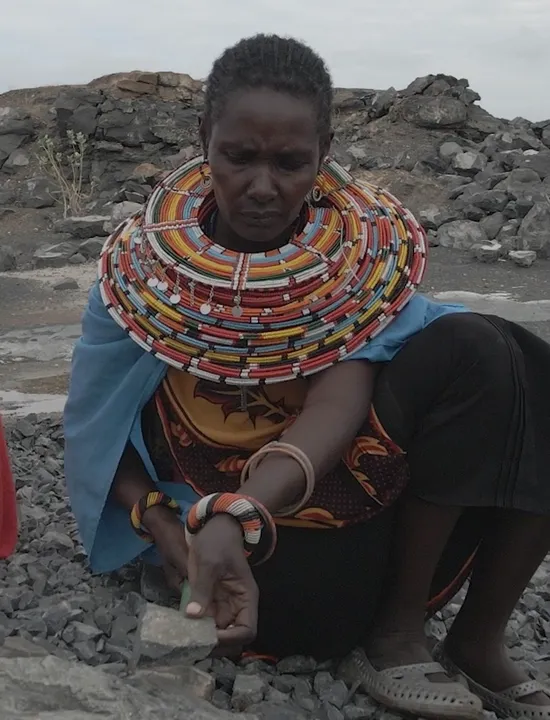
The women are also quick to clarify: the village isn't founded on hatred of men. "If a man comes here without permission," one of them warns, "he will regret doing so."
"We don't hate men," another explains. "But because of what they did to us, we don't want them here. This is our space."
Life in Ltungai demands constant work. Every morning, some of the women walk long distances to nearby mines to find stones that can be used to make traditional beaded jewellery and decorative items.
"If your neighbour has food and you don't, we help each other," one woman tells TRT Afrika.
Despite the hardships, the women insist they feel safer here than anywhere else they have lived. Ltungai village sticks to its singular rule, meant to shield those within its boundaries from the harshness of the societal glare that once defined their existence.



Somalis rethink trade routes as Houthis disrupt established shipping channels
Somalia's business community is seeking alternative shipping routes due to disruptions and security concerns around the Bab Al Mandab Strait and the Strait of Hormuz.
Somali-born Sagal Abdi-Wali launches campaign to become Labour MP
UK Prime Minister Andy Burnham praised Abdi-Wali’s record in Camden and told her that Labour wanted her to take that experience to Westminster.
Trump rejects new AI guardrails, says a 'high IQ president' is all that's needed
Washington already stops AI executives from taking harmful actions, says President Trump, accusing Anthropic CEO Dario Amodei of pretending to be "perfect little angel".