Israeli legal scholars say the court’s approach to assessing genocidal intent could influence proceedings over Israel’s war on Gaza.
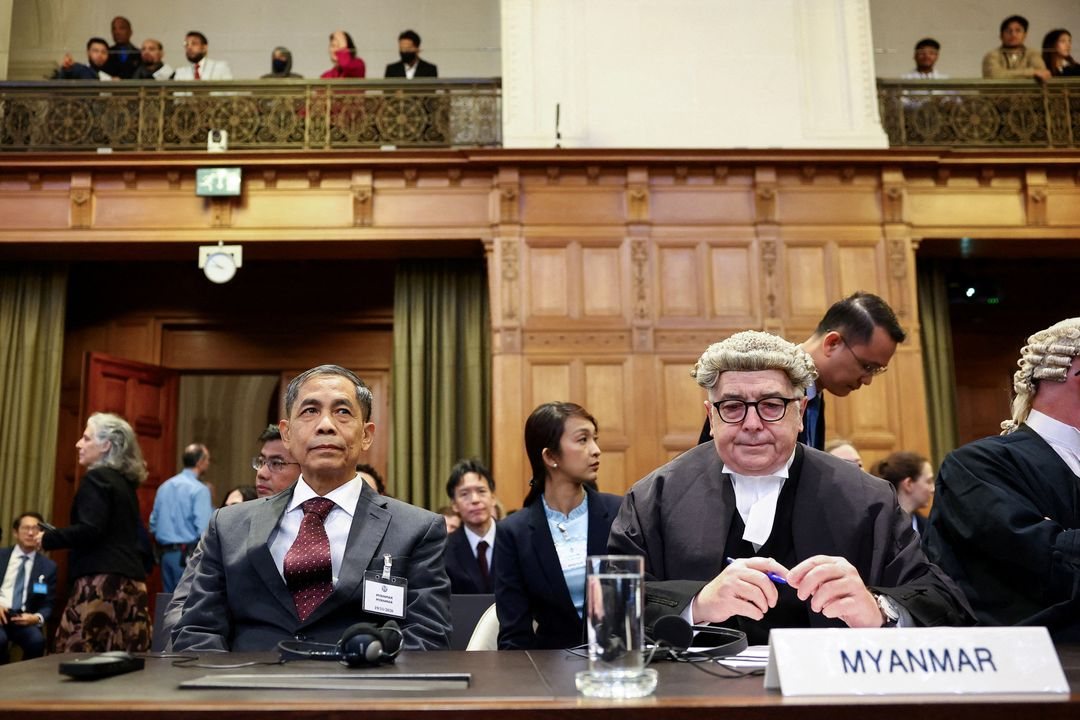
The International Court of Justice’s ruling that Myanmar committed genocide against Rohingya Muslims has heightened Israel’s fears that the judgment could set a precedent for South Africa’s genocide case against it, Israeli news website Ynet reported on Thursday.
Ynet cited senior officials as describing the judgment as “a dangerous precedent” for Israel.
“It establishes parameters and standards that cannot necessarily be applied directly to Israel, but it opens the door,” the officials said.
“First, it establishes the principle that a state can be held responsible for genocide and that genocidal intent can be proven,” they added.
The International Court of Justice (ICJ), the UN’s top court, ruled on Thursday that Myanmar committed genocide against Rohingya Muslims during its 2017 military raids in northern Rakhine State, according to the report.
The court ordered Myanmar to provide reparations to victims and take measures to prevent further violations.
The report described the judgment as the first time the ICJ had held a state directly responsible for committing genocide.
Israeli legal scholars warn of implications for Gaza case
The ruling comes as South Africa pursues its genocide case against Israel at the ICJ.
South Africa filed the case on 29 December 2023, accusing Israel of violating the 1948 Genocide Convention during its brutal military offensive in Gaza.
Tammy Caner, an Israeli lawyer at the Institute for National Security Studies, said the Myanmar judgment could have significant implications for the proceedings against Israel.
“The judgment concerning Myanmar constitutes an important precedent that may have implications for the proceedings against Israel,” Caner said.
She stressed that the ruling marked the first time the UN’s top court “determined that a state bears direct responsibility for committing genocide.”
“The decision concerning Myanmar should worry Israel,” said Yuval Shany, a professor at the Hebrew University of Jerusalem.
“There is a change here in the methodology used to prove genocide, moving toward a holistic examination of all the circumstances and the only reasonable conclusion that can be drawn from them,” he added.
Gaza war and ceasefire violations
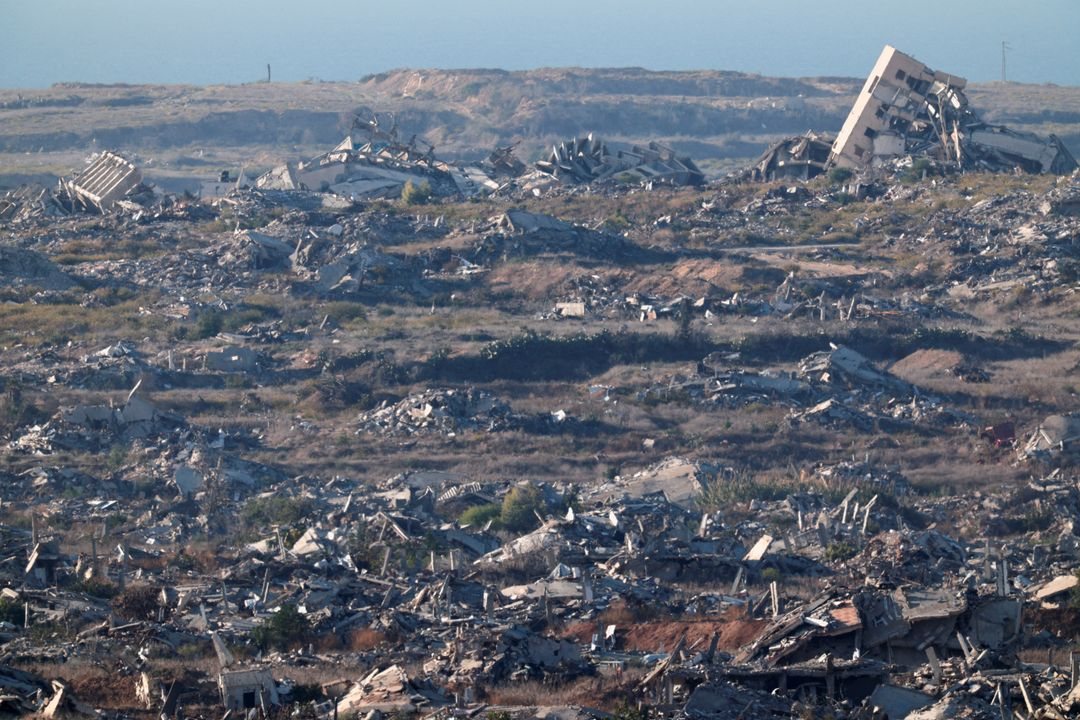
Israel’s genocidal war on Gaza since October 2023 has killed more than 74,000 Palestinians and injured over 175,000, most of them women and children, according to Gaza’s Health Ministry.
The war has also destroyed 90 percent of the enclave’s infrastructure.
Despite a ceasefire agreement that took effect in October 2025, the Israeli army has continued to carry out attacks on the Palestinian territory.
As of Thursday, Israeli attacks since the ceasefire had killed 1,662 Palestinians and wounded 6,007 others, according to Gaza’s Health Ministry.
Palestinian children gather at Turkish School in Gaza City to draw world's attention to the impact of Israel's genocide in which over 22,000 children were killed and tens of thousands orphaned.
Sean Cairncross' departure from his post comes after major outages disrupted travel, communications and e-commerce and even affected top-secret internal communications network at National Security Administration.