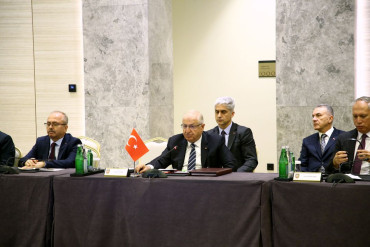
Iran Pushes for “Fair Deal” as Talks Stall Over Key Disputes
Editor:
Tuğçe Nur Kaya


Tehran signals openness to diplomacy while tensions persist over sovereignty, nuclear rights, and strategic waterways.
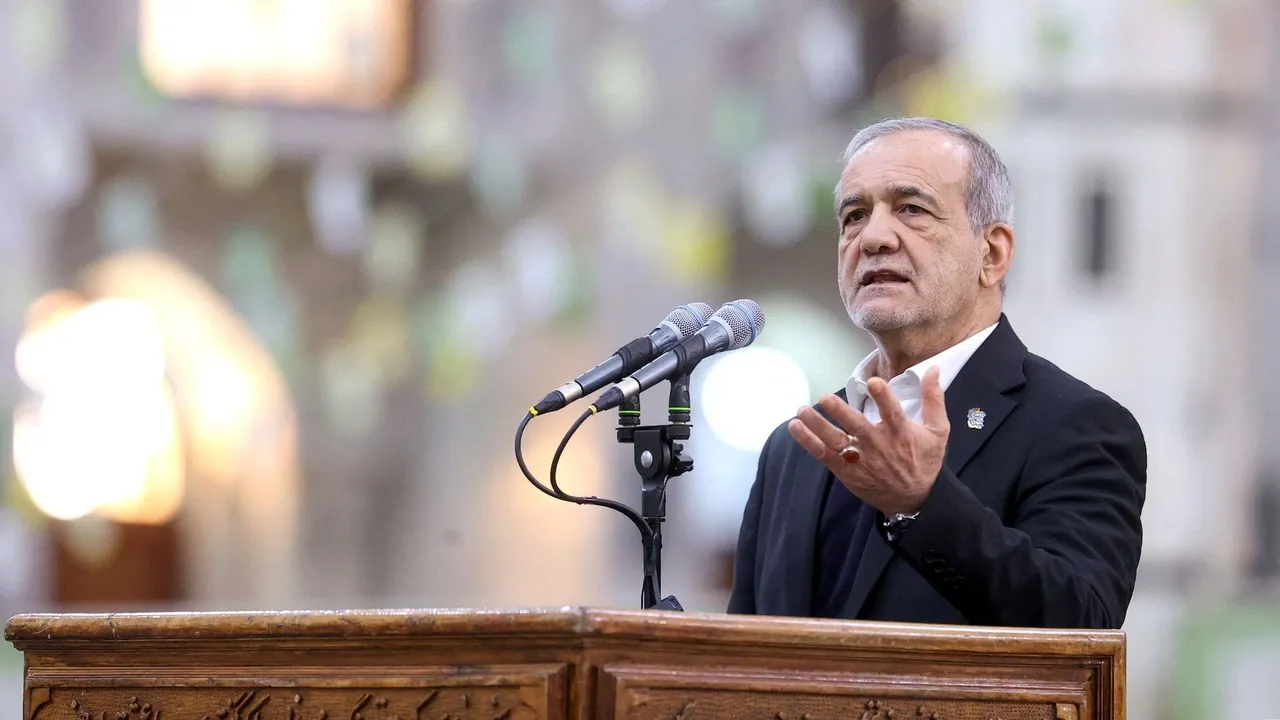
Iranian President Masoud Pezeshkian has reiterated Tehran’s readiness to reach a “balanced and fair agreement” aimed at securing long-term peace in the region, amid ongoing diplomatic efforts with the United States.
Speaking during a phone call with Russian President Vladimir Putin, Pezeshkian stressed that Iran remains committed to dialogue following recent negotiations in Islamabad, facilitated by Pakistan. These talks are taking place under a fragile two-week ceasefire between Washington and Tehran.
However, the Iranian leader pointed to what he described as U.S. “double standards” as the main barrier to progress, emphasizing that any potential agreement would hinge on adherence to international legal frameworks. Putin echoed this stance, calling for respect for Iran’s sovereignty and territorial integrity, while backing Tehran’s demands for compensation over recent military strikes and long-term security guarantees.
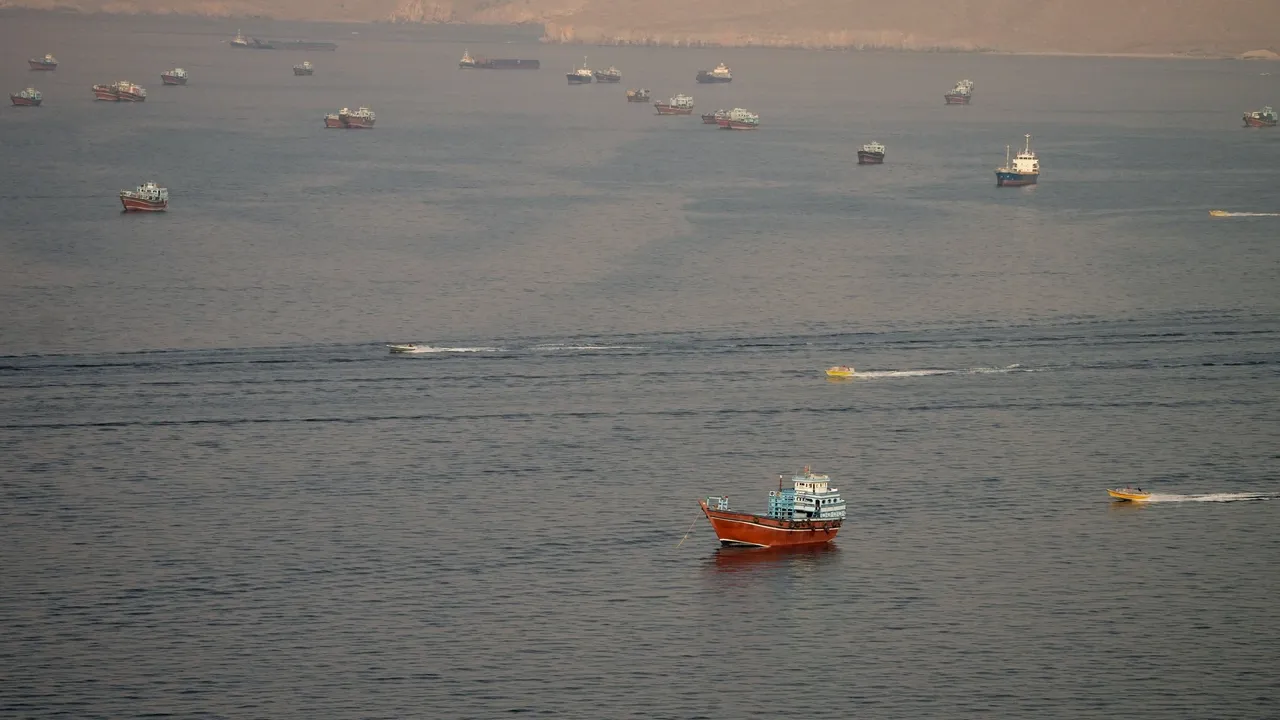
The negotiations are part of wider efforts to contain a conflict that has claimed more than 3,300 lives since late February. Despite the temporary truce, tensions remain elevated, particularly after Iran imposed restrictions on maritime traffic through the Strait of Hormuz—a vital corridor for global oil and gas shipments.
While no agreement was reached in the latest round of talks, both sides have avoided a return to direct confrontation. Major sticking points persist, including control over the Strait of Hormuz and Iran’s right to enrich uranium.
As global leaders continue to call for restraint, the outcome of these negotiations remains critical in determining whether diplomacy can prevail over renewed escalation in an already volatile region.
Source: Newstimehub

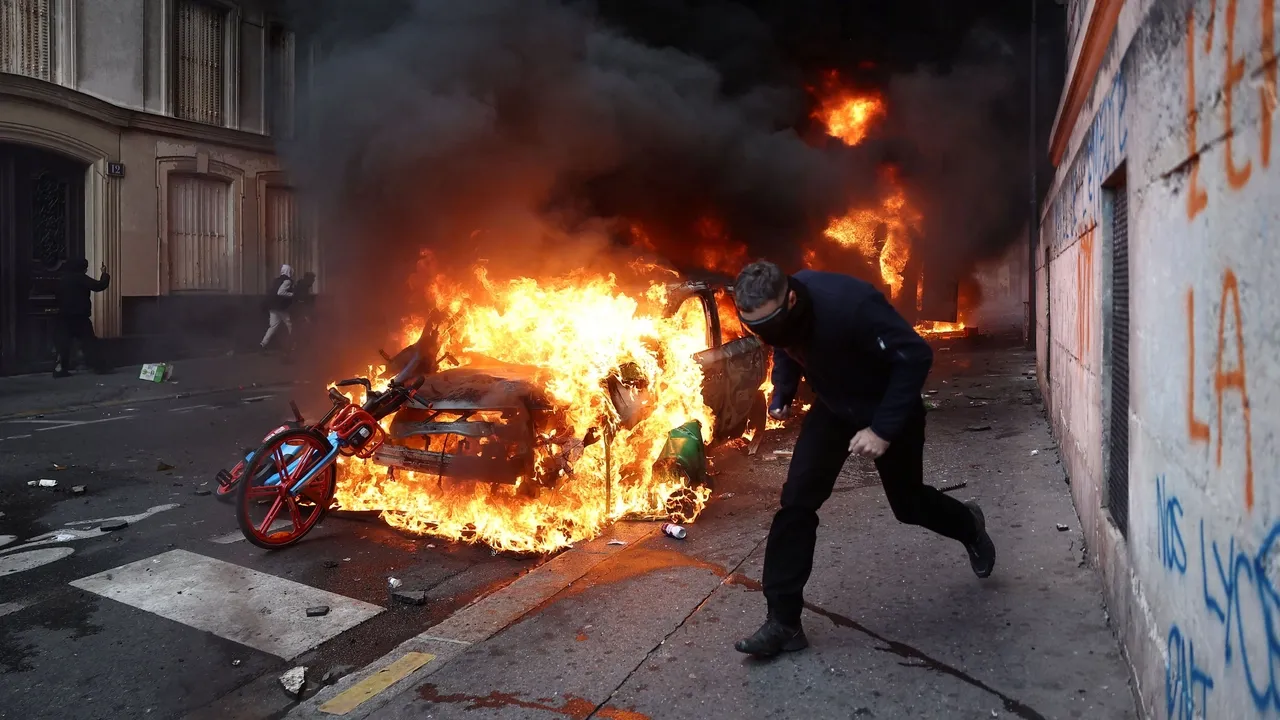



France rocked by nationwide clashes, fires and looting as cost-of-living protests turn violent
Clashes between police and protesters left streets devastated, shops looted and public buildings ablaze, with 1,200 people arrested and 150 officers injured as anger over rising living costs spills onto the streets.
Africa Finance Corporation eyes iron ore and uranium investments
The Africa Finance Corporation is looking for investments in iron ore and uranium as it seeks to expand its reach in critical minerals projects on the continent.
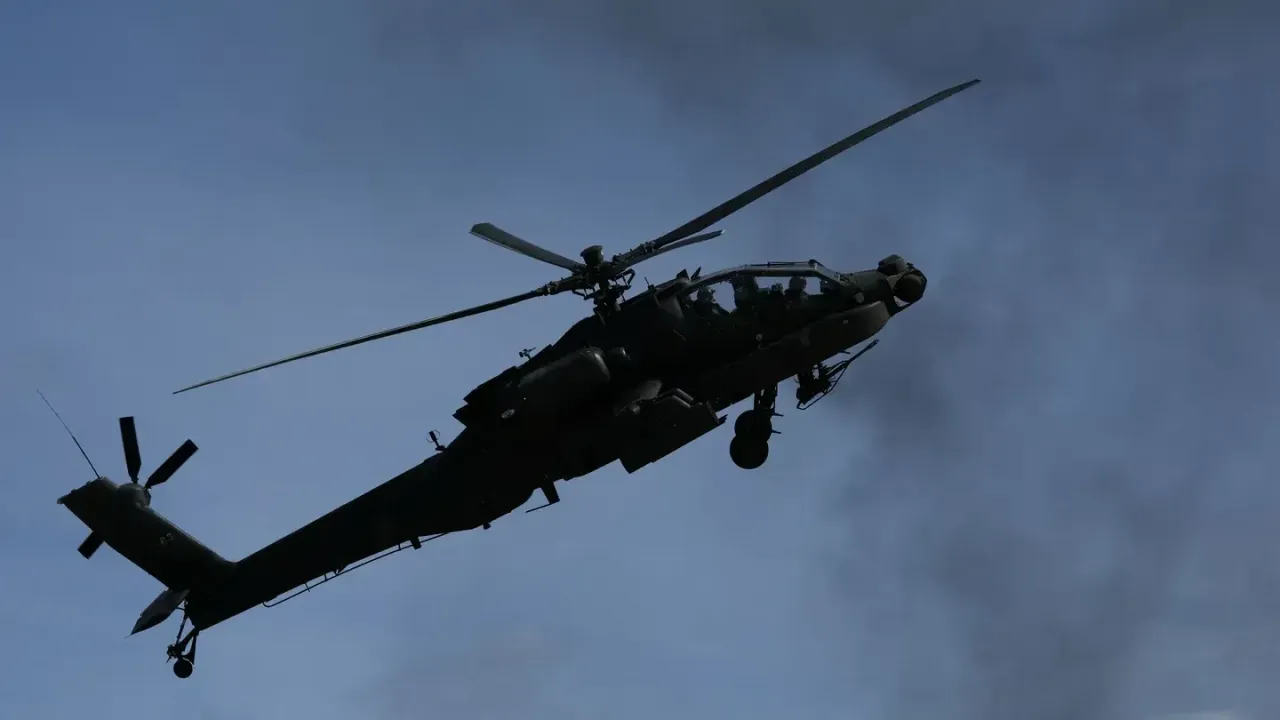
Saudi Arabia intercepts Houthi missiles as two pilots die in helicopter crash
The coalition blamed a technical fault for the crash and said it intercepted two ballistic missiles targeting southwestern Saudi Arabia.




All rights reserved. Newstimetr © 2026