
Sport
Dollar
43,4911
0.01 %Euro
51,4424
0.19 %Gram Gold
6.739,1200
3.62 %Quarter Gold
11.661,9400
0 %Silver
116,7400
4.42 %


A young social worker's vision and empathy for mental health sufferers have helped turn a stigmatised group into disciplined footballers who train, travel and now represent Senegal in international competition.
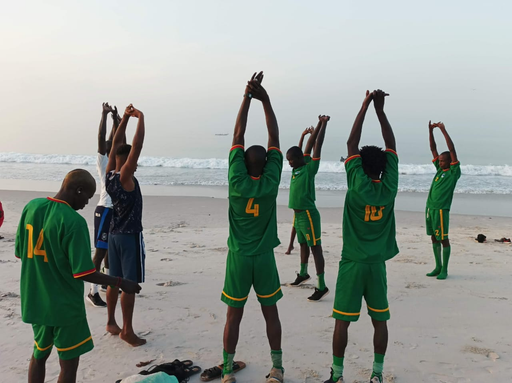
They call him Mr Mad Man Coach. In most contexts – anywhere really – that would probably be considered an inappropriate epithet.
But Malick Biteye has turned what could have been mockery into something closer to a title of respect. Mr Mad Man Coach is an appellative tribute to the work he has done on football pitches across Dakar for the better part of a decade.
Biteye, a social worker, coaches people with mental illness. For him, football isn't just therapy on the side. He has built a proper team over the years, picking his wards from psychiatric hospitals and homes around Senegal's capital, employing protocols borrowed from international mental health football committees.
His players train regularly, compete abroad, and have formed bonds strong enough that some who occasionally vanish from their own homes for days still turn up for practice.
What started as one man's conviction – that sport could offer something medicine alone couldn't – has become a team that officially represents Senegal in international competitions.
What makes Biteye's mission even more remarkable is that he operates without any government support, although he worries about how long he can soldier on.
"With three children to raise, it's going to be very difficult to continue the project without a job or a partner to back us," he tells TRT Afrika.
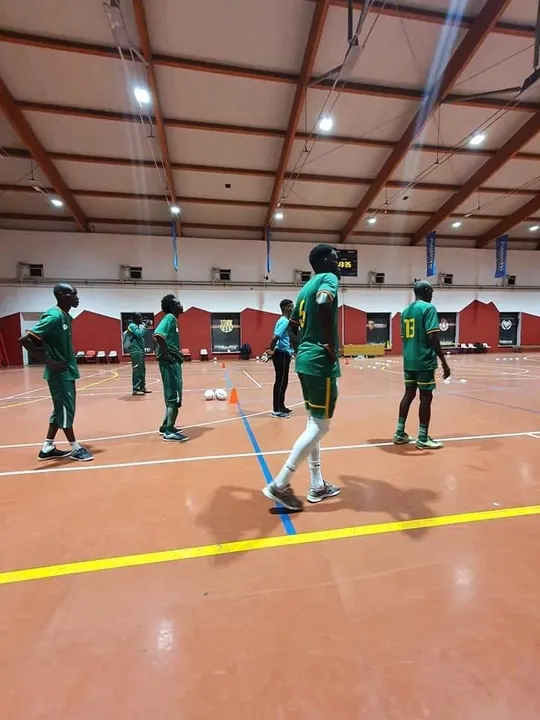
Finding purpose
Biteye's journey to where he is now was far from planned. After completing secondary school, he left for Italy and trained as a healthcare assistant, gaining new perspectives that shaped how he saw the world.
"I have always been friendly with children and my neighbours," he says. "Once I returned to Senegal, I wanted to be actively involved in community projects."
His novel idea of raising a football team comprising people battling psychiatric disorders, however, took years to materialise.
Contrary to how social media amplified his work once the project took off, building the foundation required patience – identifying potential players, approaching families, and earning the trust of communities where mental illness still carries stigma.
"Medical clearance and family consent are integral to our recruitment process," explains Biteye.
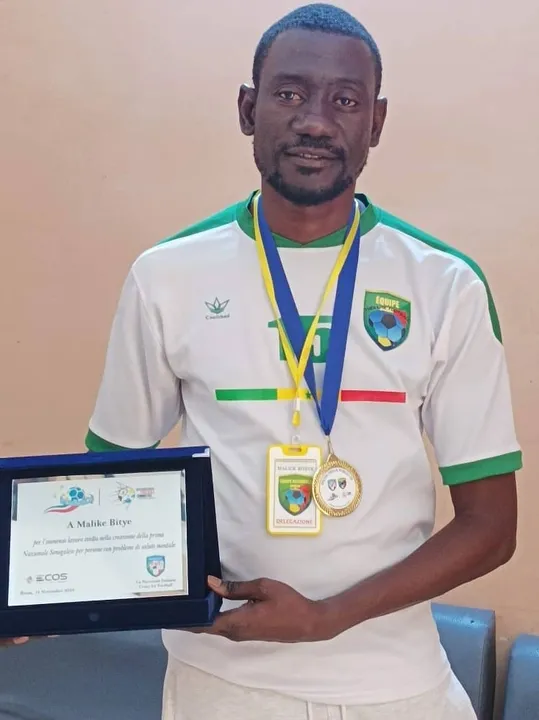
Building structure
Biteye's labour of love, Thérapie Foot, has grown over the years into an organisation with a structured management team.
Two other coaches work alongside the young founder, following protocols from the International Football Committee on Mental Health that are designed to accentuate the therapeutic effect of sport on those suffering from psychiatric disorders.
The World Health Organisation (WHO) notes that physical activity "reduces the risk of mental disorders" and "helps to interrupt negative thoughts associated with stress, depression, and anxiety".
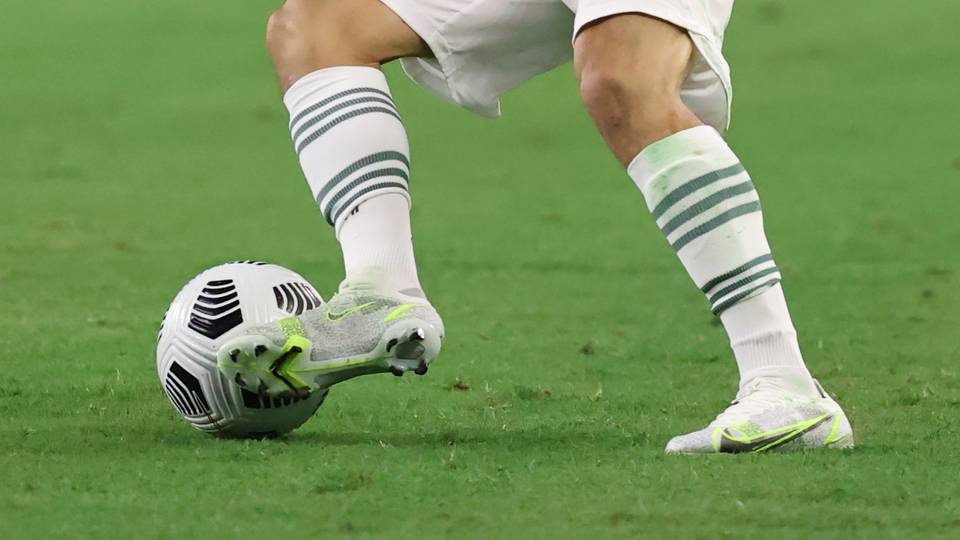
On the pitch, Biteye's approach isn't any different from what coaches at the highest level of the sport follow.
Training sessions are based on established rules. Matches have structure. The atmosphere stays friendly, but discipline matters, and coaches remain alert to each player's needs. Biteye is convinced that striking a balance between structure and empathy makes his process tick.
"Sometimes, the boys run away from home and wander the streets. They can stay out for days without coming home, but they never miss training," he tells TRT Afrika, his voice tinged with pride. "What's more, they form a lively group of friends with a shared love of football."
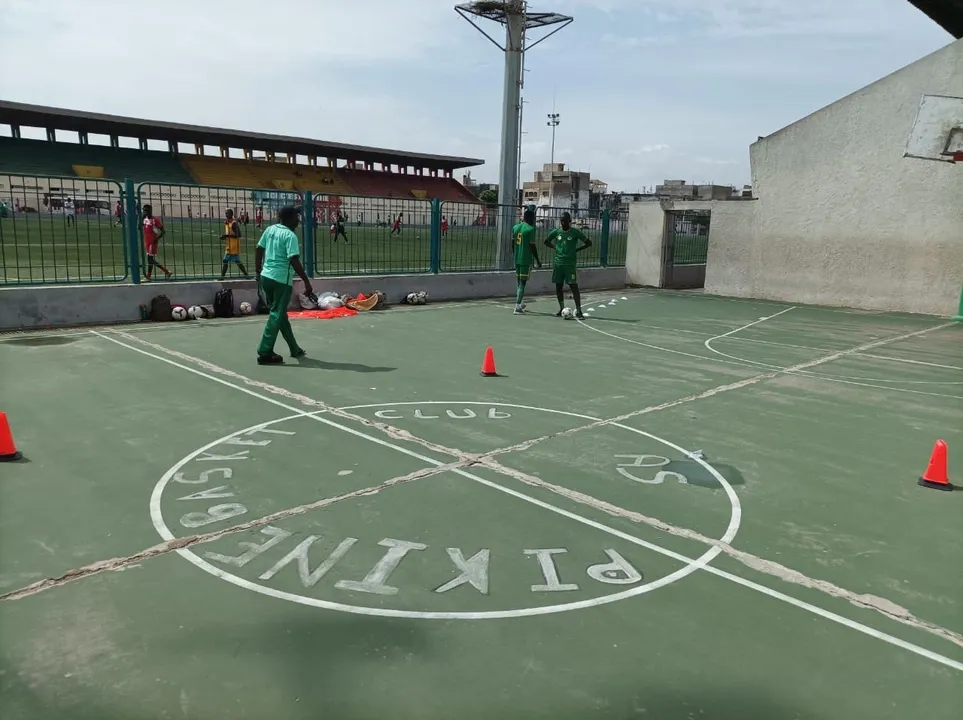
Funding challenge
The Thérapie Foot squad routinely represents Senegal in international competitions for psychiatric patients. Yet formal government backing doesn't exist. For Biteye, who has funded much of the work himself with help from a few partners, the situation has become unsustainable.
"When you are committed and you know that it could benefit an entire population and change lives, you can't back down," he says. "But without consistent support, to be honest, it's really tough."
He pauses, lets out a long sigh, and shakes his head when asked if he has a plan to tide over the crisis.
There's precedent for his worries. In 2018, the team was meant to travel to Italy for an international competition. Lack of funds scuppered the trip. Some parents, frustrated and angry, withdrew their wards from the programme.
In November this year, football's world governing body FIFA and the International Football Committee on Mental Health are organising a World Cup for psychiatric patients in Morocco. Biteye dreams of taking his players there for the experience.
But even dreams require funding, and right now, that's a goalpost that seems out of reach for Biteye.
Comments
No comments Yet





News



All rights reserved. Newstimetr © 2023
Comment