Experts say tech companies should be pressed to remove harmful images that seek to encourage confrontation rather than resolution.
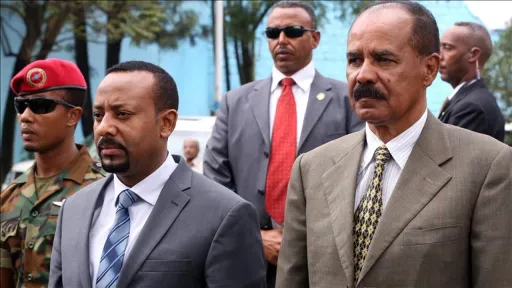
As military tensions escalate between Ethiopia and Eritrea, AI-generated images and videos are inflaming animosity online.
Since October 2023, Prime Minister Abiy Ahmed has repeatedly insisted that landlocked Ethiopia must have direct sea access, with Eritrea's port of Assab frequently cited as a potential target.
Tensions have been rising in recent weeks, with reports of troops being moved towards their shared border.
That has been matched by increasingly violent rhetoric online, including a flood of images generated by artificial intelligence that seek to portray their side's military dominance and humiliate rival leaders, while presenting war as swift and cost-free.
Violent imagery
They are drawing thousands of interactions within hours of being shared, with comment sections full of threats and more violent imagery.
Eliyas Kebede Zemedkun, an Ethiopian with more than 80,000 Facebook followers, has spent months creating such AI-generated images. He told AFP that AI "obscures reality" and "normalises aggression".
Eliyas said he uses free platforms like Gemini and ChatGPT to create the content, along with editing software Clideo.
Each post has triggered waves of retaliatory content from pro-Eritrea accounts.
Kjetil Tronvoll, an expert on the region, said similar online clashes helped drive aggression during the civil war in Ethiopia's Tigray region in 2020-2022, which killed an estimated 600,000 people, but this has been turbo-charged by AI.
‘Fuels genuine anger’
"When people believe fabricated visuals are real, it fuels genuine anger, fear, and animosity," he said.
Digital literacy is still limited in Ethiopia, which ranked 112 out of 149 countries on the latest World Economic Forum's Digital Skills Index.
"The videos are not close to reality in most cases. But even when they're not realistic, the emotional reaction is very strong due to their provocative nature and limited media literacy (of the viewers)," said AI expert Amanuel Meseret.
A review of the comments posted beneath the AI-generated images suggests many social media users believe they are genuine.
Decades of conflict and trauma also mean even obviously fake images can trigger audiences or play into their existing worldview.
Media literacy
Workineh Diribsa, a journalism lecturer at Ethiopia's Jimma University, said tech companies should be pressed to remove harmful images and that media literacy programmes were vital to help citizens "identify, question, and resist manipulative content".
"These videos dramatise war as a quick and effortless victory... constructing a false reality that risks steering opinion and political discourse toward confrontation rather than resolution," he said.
Source: Newstimehub
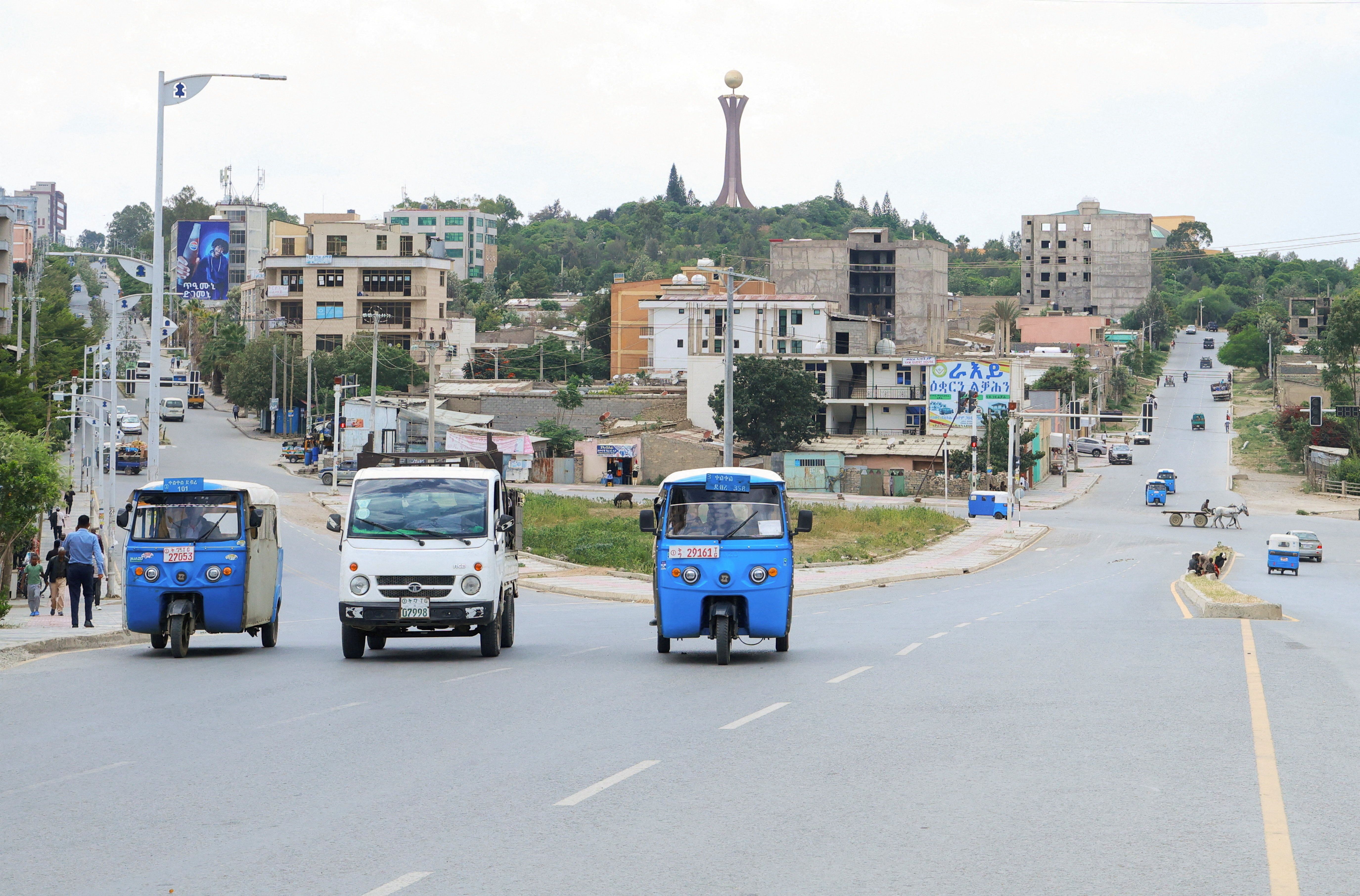
Ethiopia's army says it has foiled attacks by Tigray rebels
The army said it inflicted heavy personnel and equipment losses on the TPLF rebels.
The cost of UNGA: Who pays and who profits?
Member states make mandatory annual contributions based on capacity to pay, factoring in gross national income, external debt burden and per-capita income.
Sudan rejects US remarks questioning government legitimacy amid Burhan visa dispute
Khartoum urges Washington to respect Sudan’s sovereignty as activists and journalists criticise the reported linking of Transitional Sovereignty Council Chairman Abdel Fattah al-Burhan’s UN visa to a proposed 90-day truce.