
Ghana, a major producer of gold and cocoa, is emerging from one of its worst economic crises in decades.
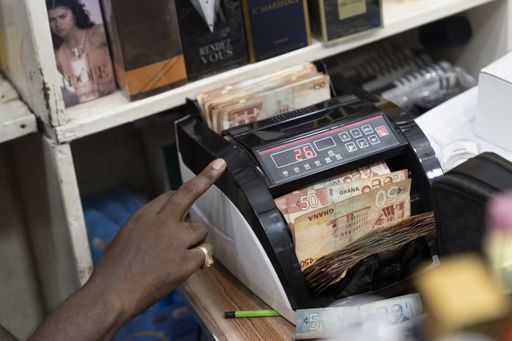
Ghana's consumer inflation slowed further to 3.8 percent in January, extending a 13-month disinflation streak and reaching its lowest level since the consumer price index was rebased in 2021, official data showed.
Prices rose just 0.2 percent month-on-month, according to the Ghana Statistical Service, reflecting broad easing across both food and non-food items.
Food inflation slowed to 3.9 percent year-on-year, while non-food prices fell by 0.4 percent compared with the previous month.
Softer price pressures in recent prompted a policy shift from the Bank of Ghana, which cut last week its benchmark interest rate by 250 basis points to 15.50 percent in a bid to support economic growth while maintaining price stability.
Stronger currency
The steady decline in inflation has been underpinned by a stronger cedi, lower import costs and improved food supply, alongside tighter monetary policy over the past year and fiscal reforms tied to Ghana's International Monetary Fund programme.
The currency's relative stability has reduced the cost of fuel, transport and imported goods.
Meanwhile easing global commodity prices and better domestic harvests have helped cool food prices, a key driver of household expenses.
Ghana, a major producer of gold and cocoa, is emerging from one of its worst economic crisis in decades, marked by soaring prices, debt restructuring and an IMF-backed recovery plan.
Lower inflation is expected to ease pressure on households and businesses, though policymakers have said they remain cautious.


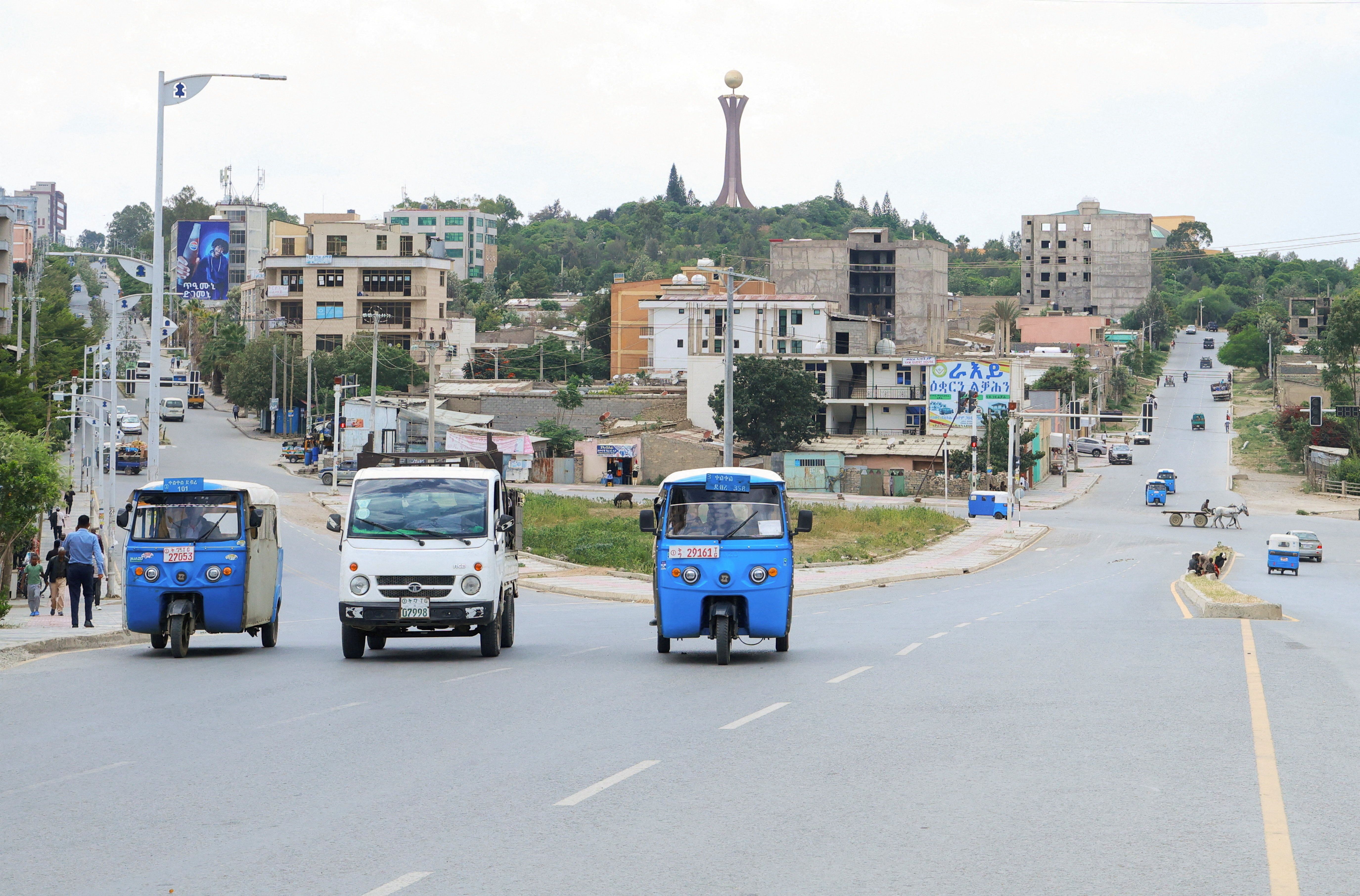
Ethiopia's army says it has foiled attacks by Tigray rebels
The army said it inflicted heavy personnel and equipment losses on the TPLF rebels.
The cost of UNGA: Who pays and who profits?
Member states make mandatory annual contributions based on capacity to pay, factoring in gross national income, external debt burden and per-capita income.
Sudan rejects US remarks questioning government legitimacy amid Burhan visa dispute
Khartoum urges Washington to respect Sudan’s sovereignty as activists and journalists criticise the reported linking of Transitional Sovereignty Council Chairman Abdel Fattah al-Burhan’s UN visa to a proposed 90-day truce.