The government said the programme had restored stability and debt sustainability ahead of schedule.
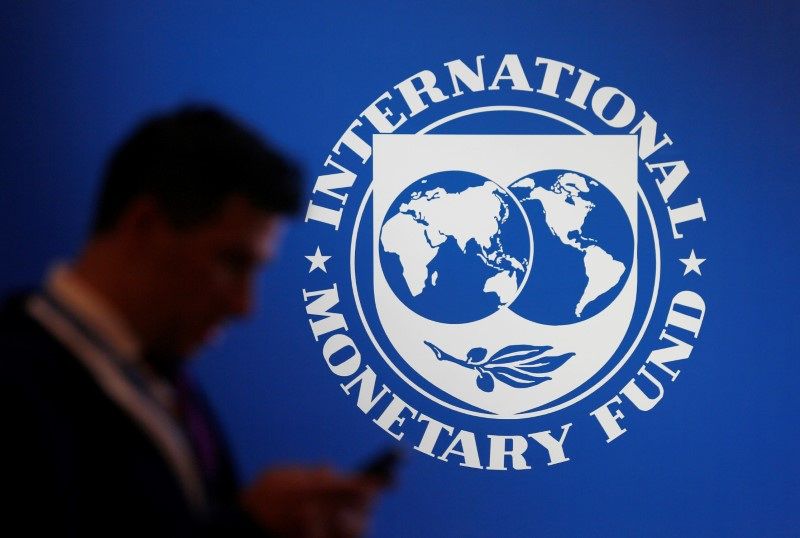
Ghana has wrapped up its International Monetary Fund bailout programme, officials said Friday, closing a $3 billion support package.
The government said the programme had restored macroeconomic stability and debt sustainability ahead of schedule, citing lower inflation, a stronger currency and improved investor confidence.
"This announcement marks the definitive end of Ghana's financial bailout relationship with the IMF," the Ghanaian presidency said in a statement on Friday.
"Inflation has reduced significantly, the cedi has strengthened markedly, public debt… has declined sharply, and economic growth has rebounded."
Support reforms
Ghana will now transition to a non-financing Policy Coordination Instrument (PCI) with the IMF, a framework designed to support reforms and signal policy credibility to investors without providing direct funding.
The IMF said that Ghana's programme had delivered "substantial stabilisation gains," including improved reserves, stronger fiscal performance and progress in restructuring public debt.
It, however, warned that maintaining the "reform momentum is critical" to sustaining the growth.
The country's gross international reserves rose to about $14.5 billion by early 2026, equivalent to nearly six months of import cover, according to the government.
The West African country turned to the IMF in 2022 amid spiralling debt, soaring inflation, and a sharply weakening currency, compounded by the economic fallout of the Covid-19 pandemic and the war in Ukraine. The facility was approved in May 2023.
Attract investment
Under the new PCI arrangement, Ghana is expected to continue reforms focused on fiscal discipline, debt sustainability and financial sector stability, while aiming to rebuild buffers and attract long-term investment.
However, the IMF cautioned that risks remain, including global economic uncertainty and fiscal pressures linked to state-owned enterprises, urging authorities to maintain reform momentum.
Ghana, one of Africa's leading gold and cocoa producers, is seeking to leverage its stabilisation gains into broader economic recovery, job creation and improved living standards.
Kenyan officials are scheduled to meet with counterparts from DR Congo and Uganda and the Africa CDC to investigate what transpired during the patient’s journey.
The Turkish and Russian presidents review bilateral ties and regional developments, with Ankara reaffirming its readiness to support direct dialogue between Moscow and Kiev.