Ismail al Thawabta says damaged drainage networks and restrictions on repair supplies leave displaced Palestinians by Israeli genocide vulnerable to further deadly flooding as winter rains continue.
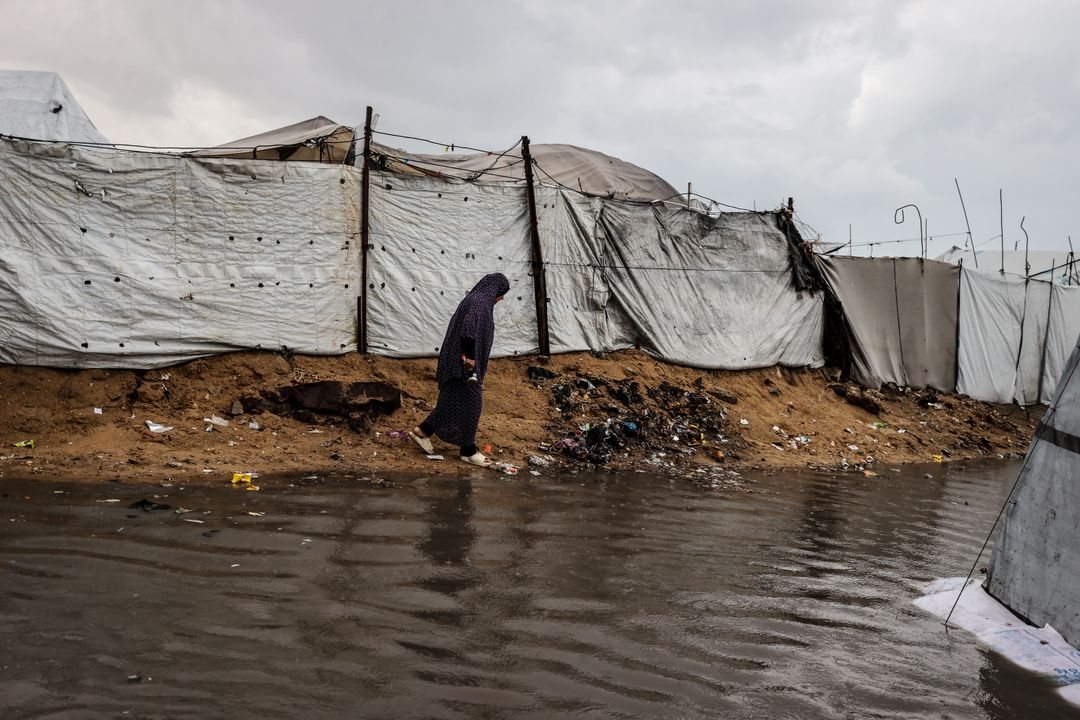
The storm that flooded tens of thousands of tents in Gaza could trigger further deadly disasters unless supplies are allowed in to repair the territory’s shattered drainage networks, the director of its Government Media Office has warned.
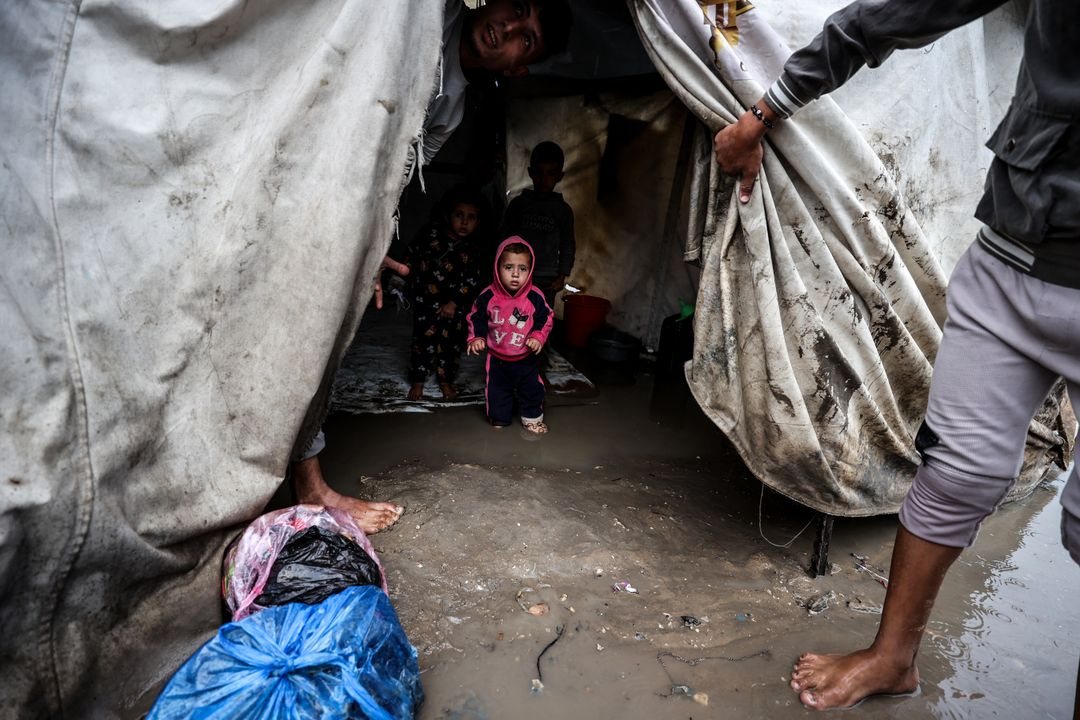
In an interview with Anadolu, Ismail al Thawabta said months of warnings about a catastrophic winter were becoming reality, leaving displaced families exposed to heavy rain and flooding in shelters offering little protection.
“If the world does not intervene to allow in supplies to rebuild the infrastructure, Gaza will flood again this winter,” he said.
He urged mediators and guarantors of the ceasefire agreement to press Israel to open crossings for humanitarian aid and materials needed to restore essential services.
Warnings become reality
The storm, which struck on Friday evening, flooded 70,000 tents in its first 12 hours, according to the Government Media Office. Dozens of walls collapsed, people were injured and initial direct losses were estimated at $3 million.
Al Thawabta said international appeals before the rains arrived had failed to produce an adequate response.
The deadly collapse of a sand embankment onto tents in Deir al Balah illustrated the risks facing displaced families. Rescue teams were still searching for missing people, he said.
The storm compounded an existing humanitarian emergency, leaving families already struggling with displacement and shortages facing further threats from flooding and unstable buildings.
Many had no safer alternative to deteriorating tents or homes damaged by Israeli bombardment during genocidal war on Gaza.
Destroyed networks leave Gaza exposed
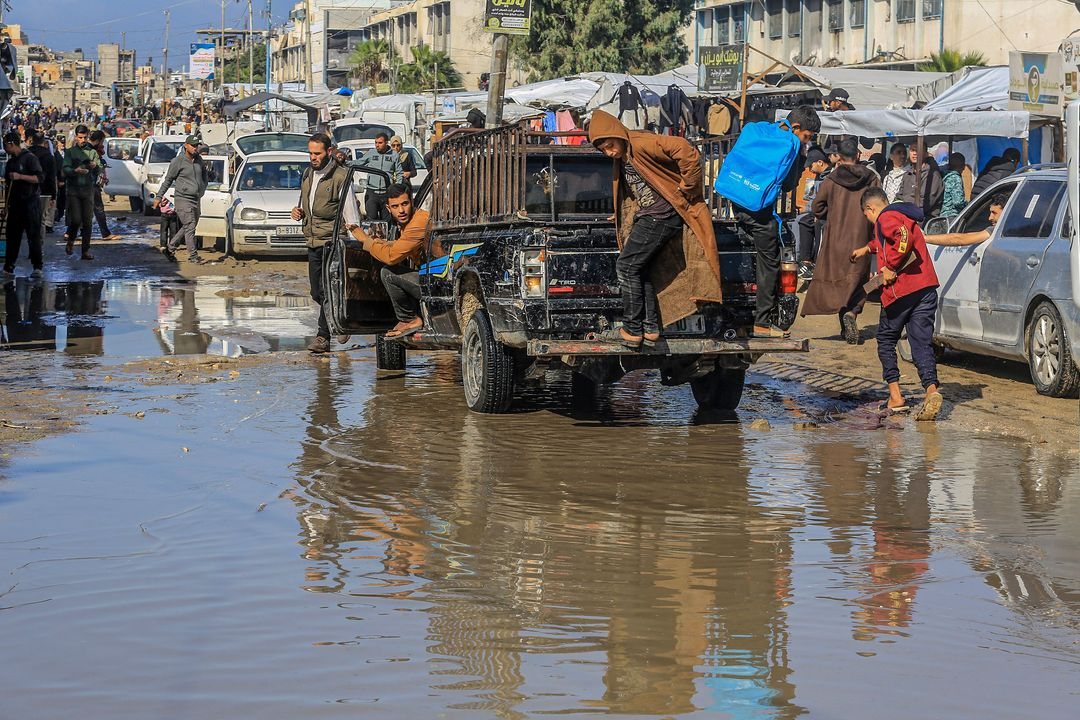
Al Thawabta said Israel had destroyed more than 93 percent of Gaza’s sewage and rainwater drainage infrastructure during its genocidal war.
Without materials to rebuild those networks, he warned, further downpours would bring renewed flooding.
He called for repair supplies to be allowed in urgently alongside food, tents and other necessities, stressing the need to address the infrastructure damage underlying the crisis.
The risks extend well beyond sites already flooded. The UN Office for the Coordination of Humanitarian Affairs warned in October that around 950,000 Palestinians were living at displacement sites at moderate to high risk of flooding.
Around 294,000 families needed winter shelter assistance, according to the office.
Pressure to open the crossings
Al Thawabta said ceasefire mediators and guarantors must press Israel to honour its commitments on aid deliveries and access.
The agreement provides for 600 aid trucks to enter Gaza daily, he said. Yet crossings were periodically closed, and on days when deliveries were permitted, the number entering did not exceed 30 percent of the agreed total.
He accused Israel of engineering famine and pursuing a policy of starvation, saying the restrictions were further worsening the plight of an already exhausted population.
Gaza faced overlapping humanitarian disasters, he said, urging international action to protect residents before more lives were lost.
Israel’s genocidal war has left much of Gaza in ruins, forcing displaced families into tents and damaged buildings. Israeli restrictions on shelter and repair supplies continue to hamper recovery despite a ceasefire agreement that has been in effect since October 2025.
TRT World / Anadolu Agency — TRT World / Anadolu Agency
Photo: Anadolu Agency