EU imposes visa restrictions on Somalis amid fallout on migrants return deal
Editor:
Tuğçe Nur Kaya


The new measures provide for the abolition of multiple-entry Schengen visas for Somali nationals and extends the processing time for applications to 45 days.
The European Union (EU) has decided to impose visa restrictions on Somali citizens, a measure designed to increase pressure on Mogadishu against a backdrop of disagreement over the readmission of irregular migrants.
This decision, approved by the Member States on the basis of an assessment by the European Commission, marks a further tightening of the bloc’s migration policy.
The new provisions provide for the abolition of multiple-entry Schengen visas for Somali nationals, as well as an extension of the processing time for applications, which has now been increased from 15 to 45 days.
The EU has also ended the fee exemption for diplomatic and service passports, whilst suspending several simplified procedures relating to supporting documents.
Brussels presents these measures as a temporary means of exerting pressure, with no set duration, aimed at encouraging Somalia to step up its cooperation on the return of migrants whose asylum claims have been rejected.
According to the Council of the European Union, Somalia is not cooperating sufficiently in the readmission of its nationals residing illegally in the EU. The European Commission considers that the Somali authorities are not fully honouring their commitments regarding the return and identification of the individuals concerned.
The European Commissioner for Migration, Magnus Brunner, has warned that countries of origin must honour their obligations, failing which “consequences” are to be expected, highlighting the tougher line adopted by the EU on migration issues.
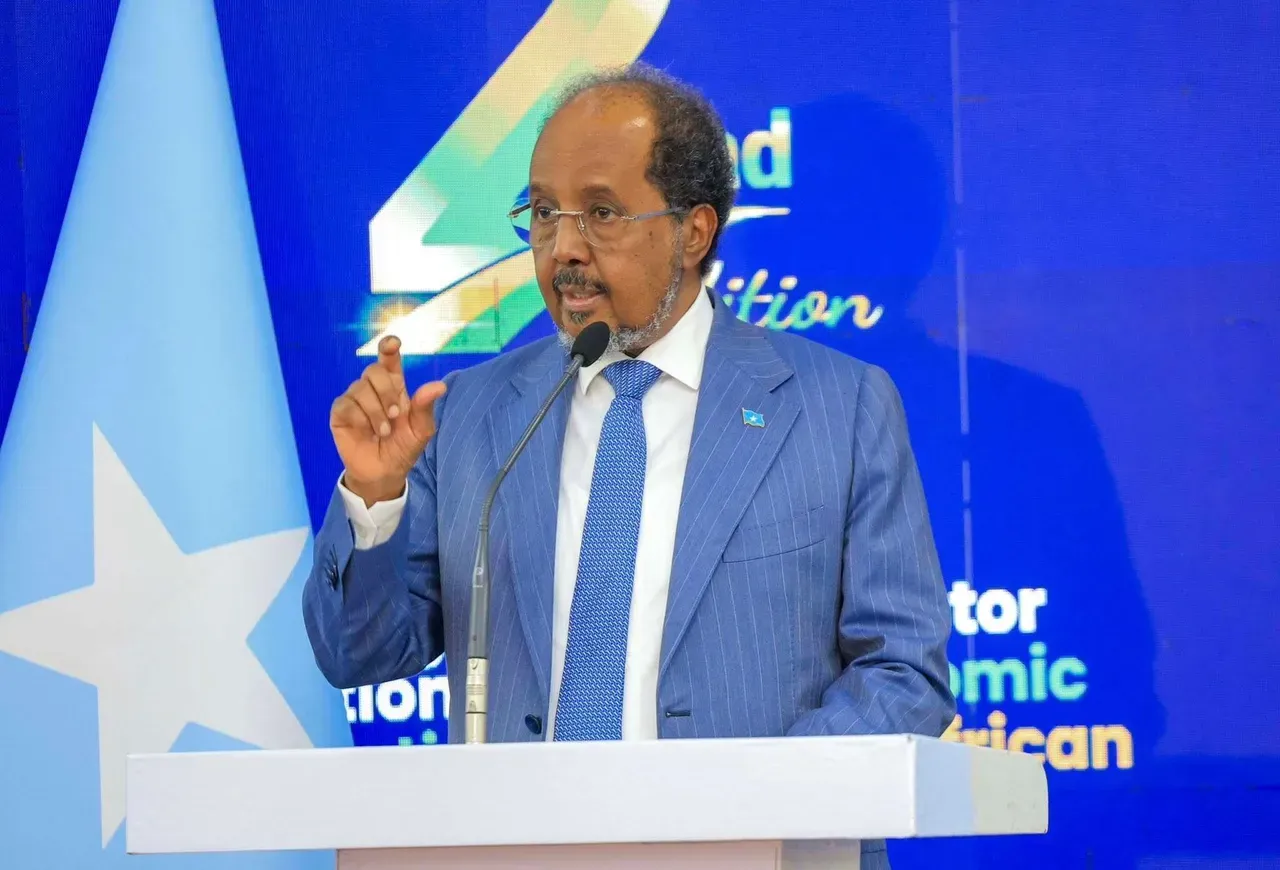
Somali President Hassan Sheikh Mohamud has rejected the accusations of non-cooperation, asserting that his country is willing to take back its nationals. He insists, however, on the need to verify the identity of those being deported, believing that some of them are not Somali.
“We have not turned our people away,” he said, adding that “if they are Somalis, we will accept them”.
Warning against misidentification
He also warned against misidentification, citing cases of people who do not speak the Somali language but claim to be Somalis in order to obtain asylum in Europe.
These tensions are set against a complex migration backdrop, marked by decades of instability in Somalia. Since the collapse of the central government in 1991 and the ensuing civil war, the country has remained gripped by a protracted security and humanitarian crisis.
The situation is exacerbated by the campaign of terror waged by the Al-Qaeda-affiliated armed group al-Shabab, which has been active since 2006 and is responsible for numerous attacks. These factors are fuelling migration flows to Europe, whilst complicating return procedures.
Somalia thus joins a short list of countries targeted by similar measures. The Gambia was sanctioned in 2021 and Ethiopia in 2024, before the restrictions on the latter were lifted in May following improved cooperation.
Tightening migration policy
In a broader context, the EU is gradually tightening its migration policy by strengthening return mechanisms and considering the establishment of processing centres outside its borders.
Beyond the diplomatic dimension, these restrictions could affect many Somalis wishing to travel for family, professional or academic reasons. Several human rights organisations believe that these measures risk penalising the civilian population without addressing the structural causes of migration.
Whilst tensions persist between Brussels and Mogadishu, the EU is now making any lifting of the restrictions conditional on a substantial improvement in Somalia’s cooperation on returns.




Top US senator presses for answers on Greece envoy amid lobbying scrutiny
Senator Jeanne Shaheen demands State Department review over claims that Kimberly Ann Guilfoyle advocated for a foreign company and gave lobbyist access to official meetings.
Ronaldo vows to keep playing for Portugal after Jesus dispute
Portugal captain says he remains available for the national team despite a 'complete breach of trust' with coach Jorge Jesus.
Nigerian Air Force says no survivors after plane crash in Ondo state
Nigeria has declared three days of mourning following the military plane crash.




All rights reserved. Newstimetr © 2026