Ethiopia rejects ‘coercive measures’ over Red Sea interests
Editor:
Tuğçe Nur Kaya


Ethiopia's statement followed a quadrilateral summit between Egypt, Sudan, Eritrea and Somalia in Egypt.
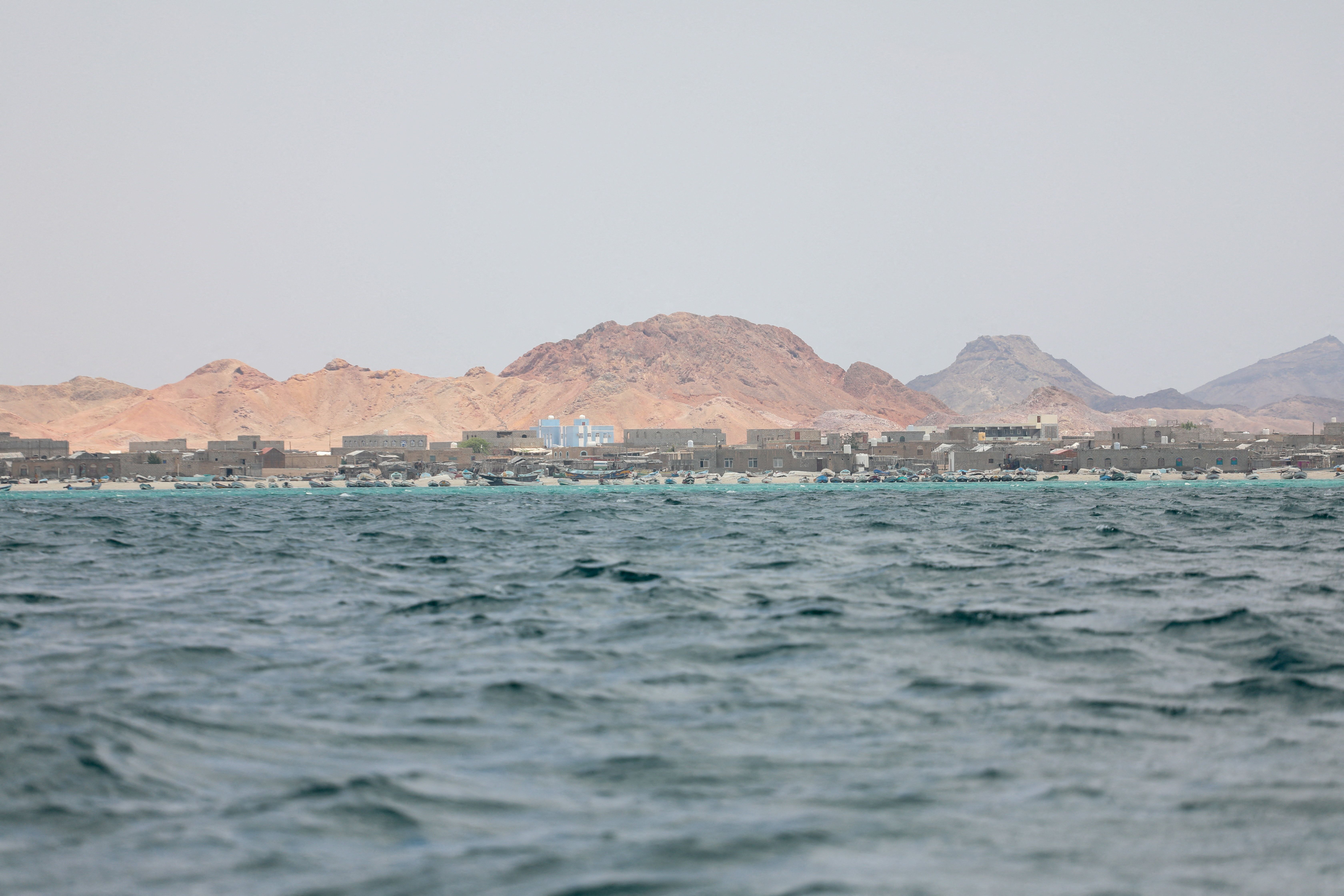
Ethiopia on Monday reaffirmed its “legitimate interests” in the Red Sea and its central role in the Nile basin, rejecting political pressure and “coercive measures” over its regional interests.
In a statement, Ethiopia’s Foreign Ministry said virtually all of the Blue Nile, or Abay River, originates in the Ethiopian highlands and contributes about 85% of the Nile’s total flow.
“Any discussion concerning the utilization and management of the Abay River should be informed by these fundamental realities,” the ministry said.
It also stressed Ethiopia’s geographic and historical ties to the Red Sea, noting that its nearest border is “barely 30 miles (48 kilometres) from the coast.”
Ethiopia’s interests
The ministry said regional maritime and security arrangements must take Ethiopia’s interests into account.
“These geographic and historical realities cannot be altered by political rhetoric, coercive measures, or acts of destabilisation," the statement added.
“Actions taken through proxies or acts of aggression will not change the facts on the ground, nor will they diminish Ethiopia’s legitimate interests, role, and responsibilities in the region.”
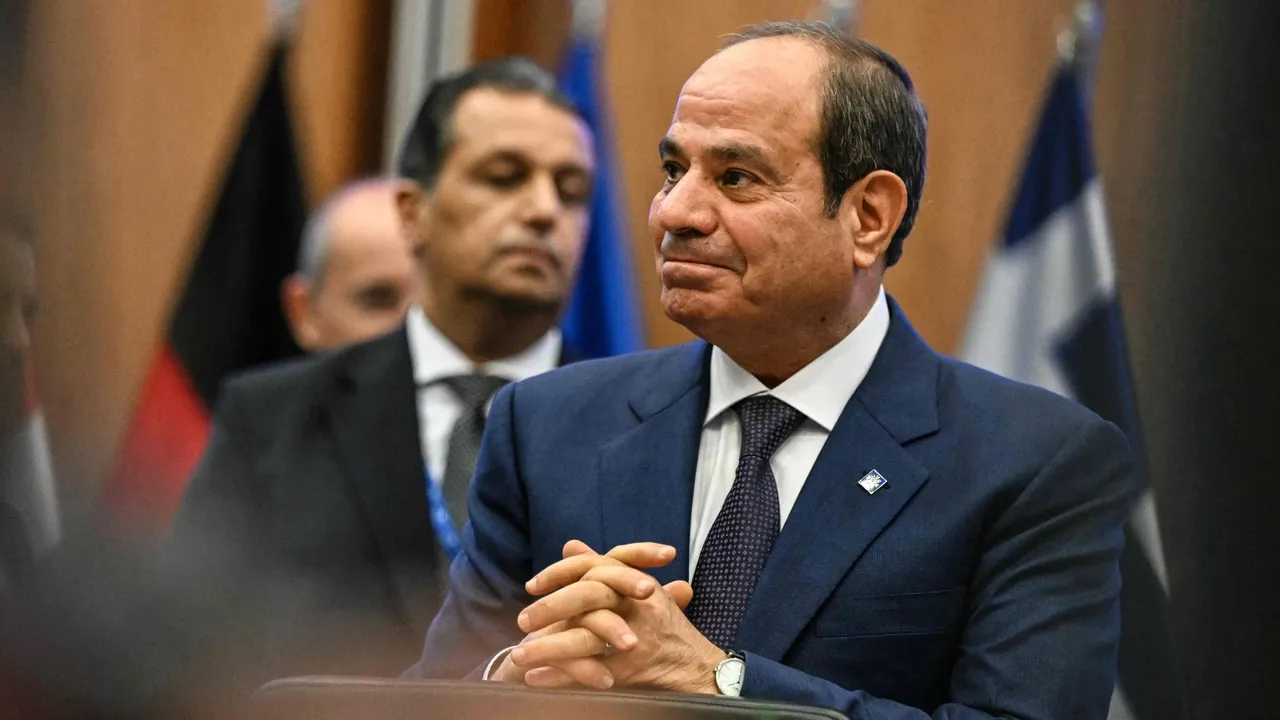
The statement followed a quadrilateral summit in Egypt on Sunday involving Egyptian President Abdel Fattah El-Sisi, Eritrean President Isaias Afwerki, Somali President Hassan Sheikh Mohamud and Sudanese Transitional Sovereignty Council Chairman Abdel Fattah al-Burhan.
The leaders reaffirmed respect for sovereignty and territorial integrity and rejected unilateral measures affecting Egypt's and Sudan’s existing Nile water uses.
Ethiopia did not specifically mention the summit or the Grand Ethiopian Renaissance Dam in its statement.
“Ethiopia continues to pursue peaceful engagement, mutual respect, and regional cooperation,” the ministry said, adding that Addis Ababa would defend its sovereignty, territorial integrity, and core national interests while urging regional actors to pursue “constructive dialogue, partnership, and adherence to the principles of good neighbourliness rather than confrontation and zero-sum approaches.”





Spain's Sanchez announces snap elections after housing measures rejected
The prime minister says housing, inequality and public services remain challenges and calls for renewed public support to continue reforms.
Türkiye's Aselsan signs $2.75B deals for hybrid air defence systems
The Turkish defence giant says ongoing production will further strengthen Türkiye’s Steel Dome air defence system.
African Union denies blaming Egypt for Ethiopia crisis after Cairo objection
The African Union Commission said it attaches particular importance to its relationship with Egypt, describing the country as a founding member of the bloc.




All rights reserved. Newstimetr © 2026