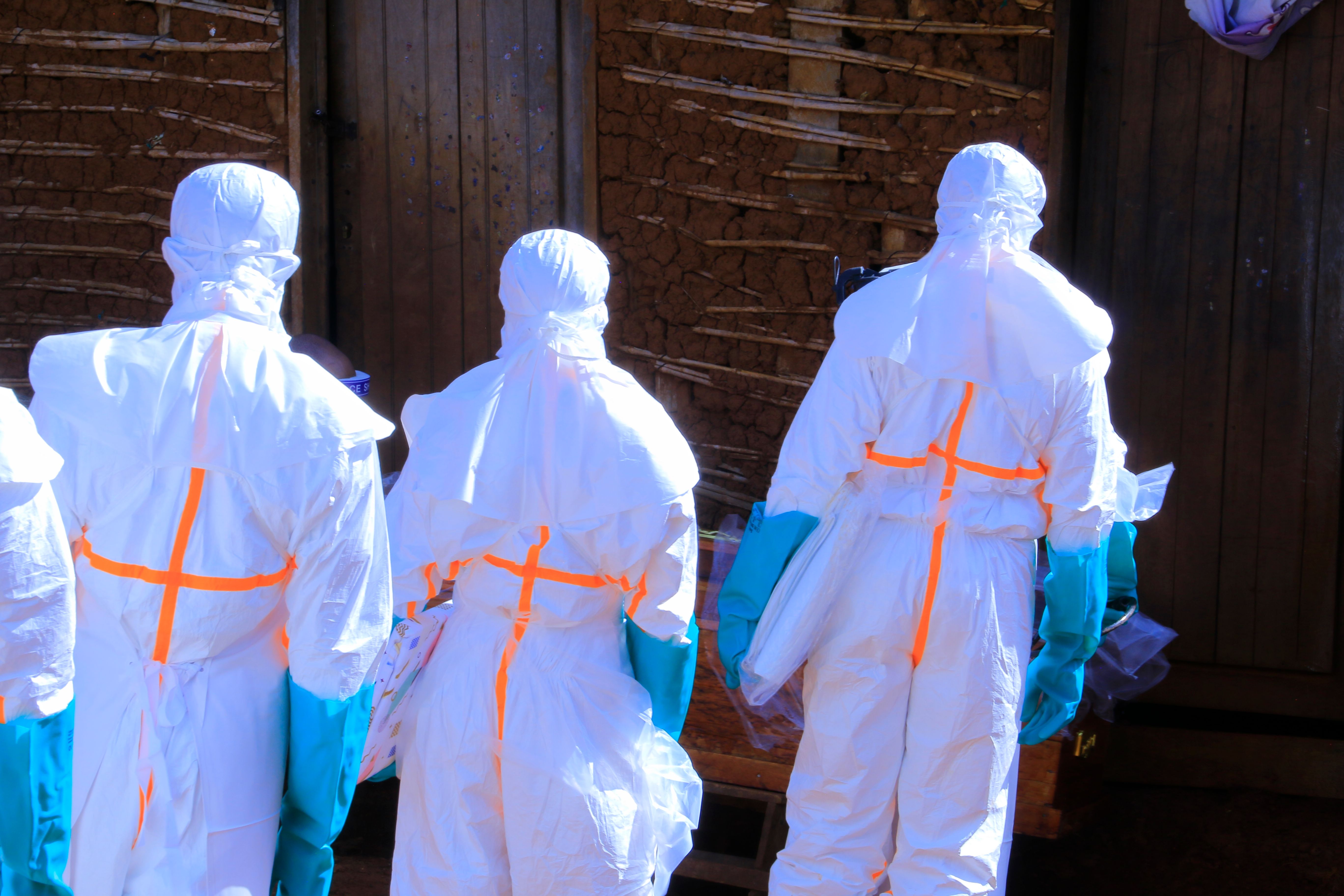
The agency warned that transmission is outpacing control efforts and called for a major scale-up of the response across all areas to contain the virus.
The Democratic Republic of the Congo's Ebola outbreak has crossed 100 days since it was declared, with more than 5,200 cases recorded as the virus spreads to a sixth province, the World Health Organization (WHO) said on Monday.
The WHO described the outbreak as the fastest-growing Ebola outbreak in the country's history, with an average of about 90 confirmed cases reported each day during its first three months.
“We can bring the Ebola outbreak under control but only through scaled-up action in affected communities that is led by national, provincial and local leaders and the affected communities, sustained by needed resources and backed by committed collaboration by all partners in DRC and beyond,” said Dr Tedros Adhanom Ghebreyesus, WHO Director-General.
The agency warned that transmission is outpacing control efforts and called for a major scale-up of the response across all areas to contain the virus.
Response challenges
Mortality remained high both in communities and among patients receiving treatment, WHO says, with community deaths, especially those occurring outside Ebola treatment centres, accounting for about 60% of the 260 weekly fatalities recorded over the past six weeks.
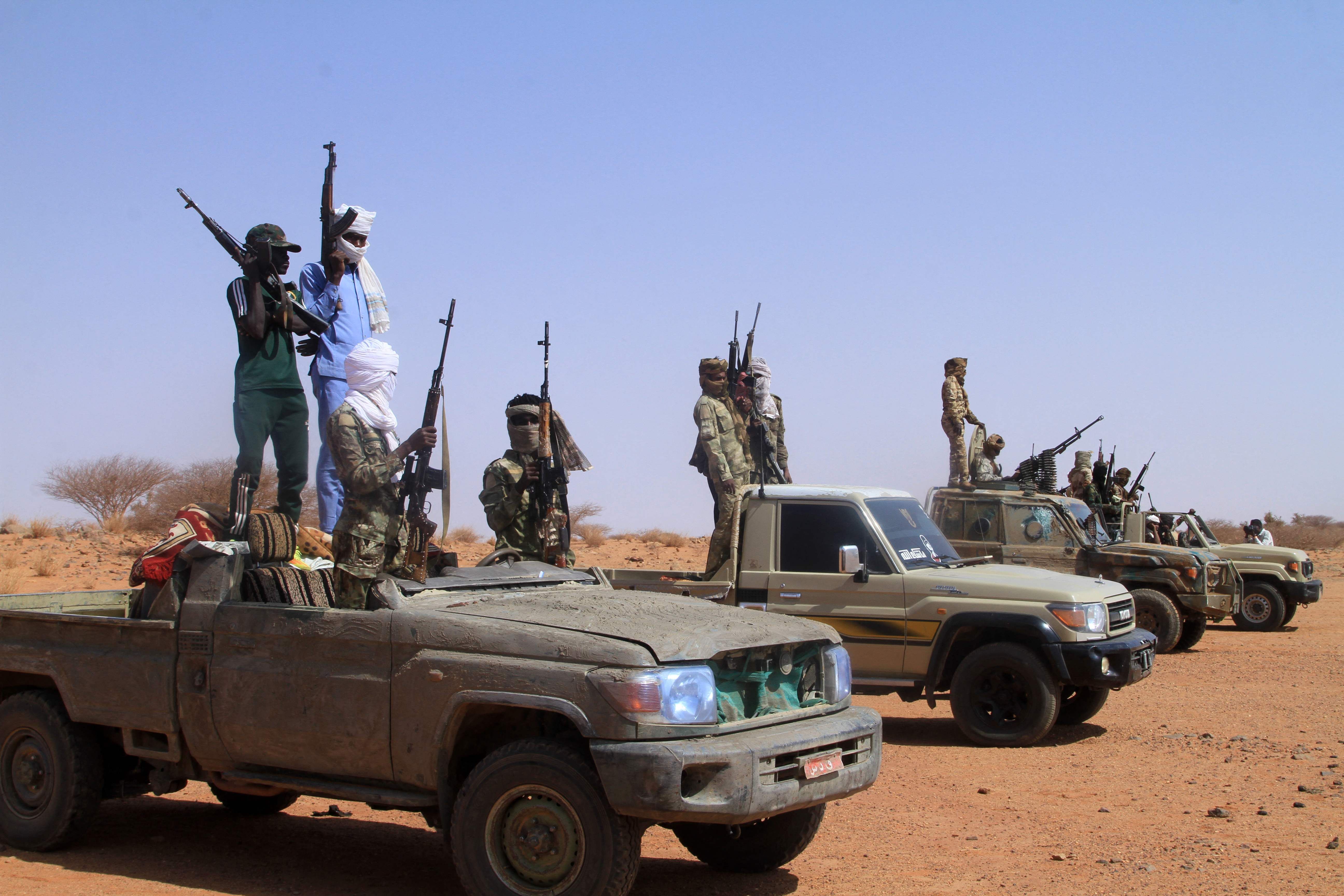
WHO-led response continues to face major obstacles, including insecurity, recurrent conflict, population displacement, attacks on health facilities, community reluctance, and difficult access to affected areas.
“This outbreak has reached a defining moment. The progress made over the past three months shows that stronger action delivers results, but it also reminds us that incremental gains will not be enough. We now need to significantly step up the response,” said Dr Mohamed Janabi, WHO Regional Director for Africa.
Despite the challenges, the WHO said significant progress has been made in strengthening the response over the past three months.
Laboratory capacity has expanded from one testing site to 19 laboratories capable of processing more than 3,000 samples a day. Treatment capacity has risen from fewer than 10 beds to more than 1,300, while more than 900 health facilities have received infection prevention and control support.
Community engagement activities have reached more than 2.5 million people, while contact follow-up has improved from 9% during the first week of the outbreak to 84% as of 18 August.
Scientific efforts are also advancing, WHO says, including clinical trials of potential treatments, the evaluation of candidate vaccines and the deployment of the first emergency-listed molecular diagnostic test for Bundibugyo virus disease.