Diplomacy Gains Ground While Tensions Still Shape the World
Editor:
Halimatou HAMADOU DJIBO
Ceasefires, talks, and global reactions signal hope but risks remain
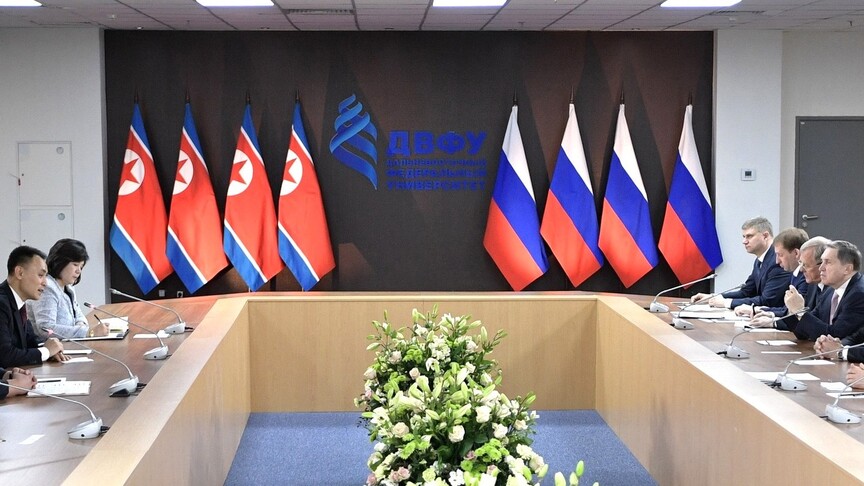
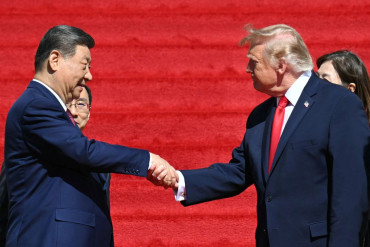
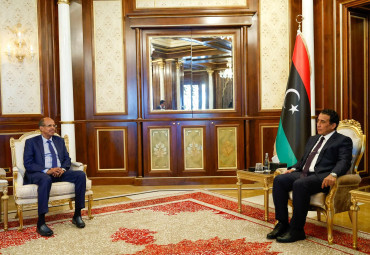
Across several major global stories, one clear theme stands out: countries are trying to move from conflict toward dialogue, even as tensions and uncertainty continue.
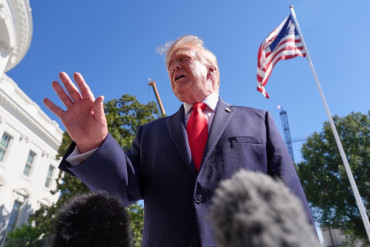
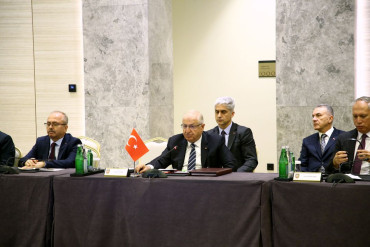
In the Middle East, the United States and Iran are preparing for important peace talks in Pakistan after weeks of fighting that caused thousands of deaths. Countries like Indonesia have welcomed these talks, calling them a positive step toward a long-term solution. Leaders are urging calm, respect between nations, and more diplomacy instead of violence.
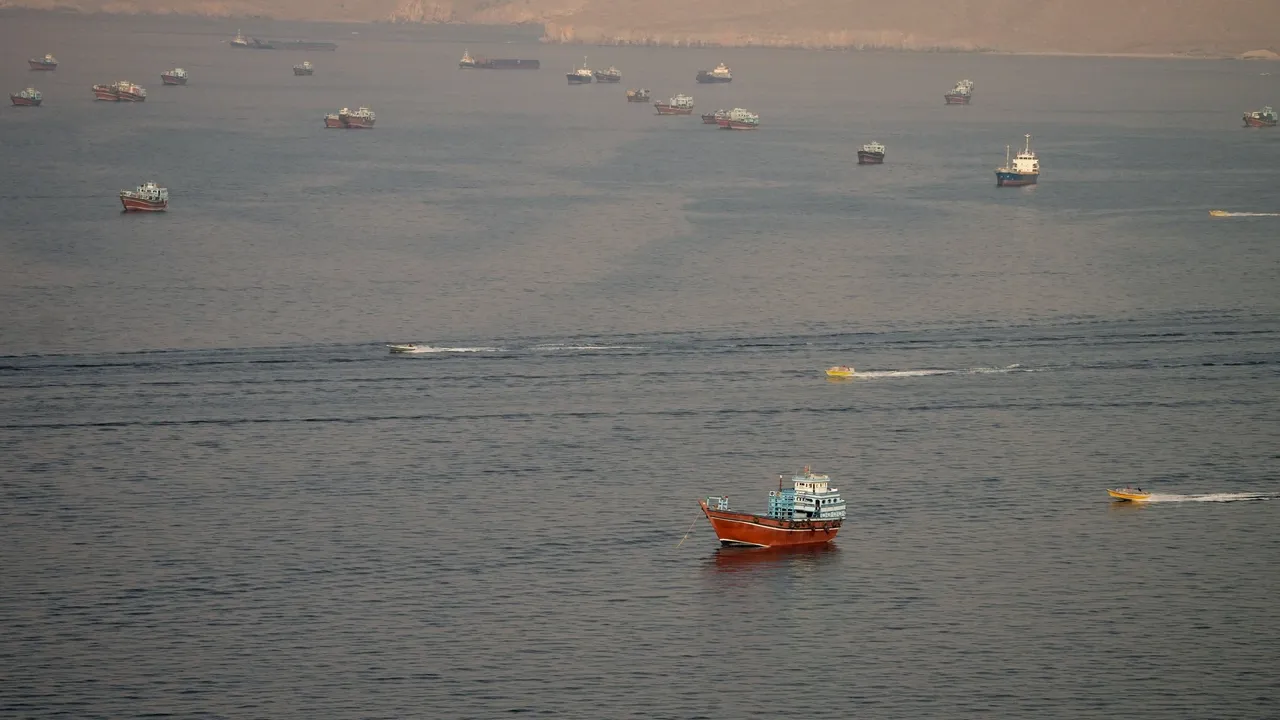
At the same time, the situation is still fragile. Fighting disrupted key oil routes like the Strait of Hormuz, affecting global energy supplies. Even though there are signs of reopening and possible agreements, both sides have warned that if talks fail, conflict could continue.
These political developments are also affecting the global economy. Cryptocurrency markets, especially Bitcoin, have risen sharply as investors feel more hopeful about peace. This shows how closely financial markets react to global stability.
Elsewhere, countries are responding differently to global tensions. European leaders are debating how to handle conflicts, while China is strengthening energy partnerships to secure supplies. Meanwhile, humanitarian efforts continue in places like Lebanon, where aid is being delivered to people displaced by war.
Overall, the world is at a turning point: diplomacy is opening doors, but lasting peace will depend on whether countries can follow through with real agreements.
Source: Newstimehub

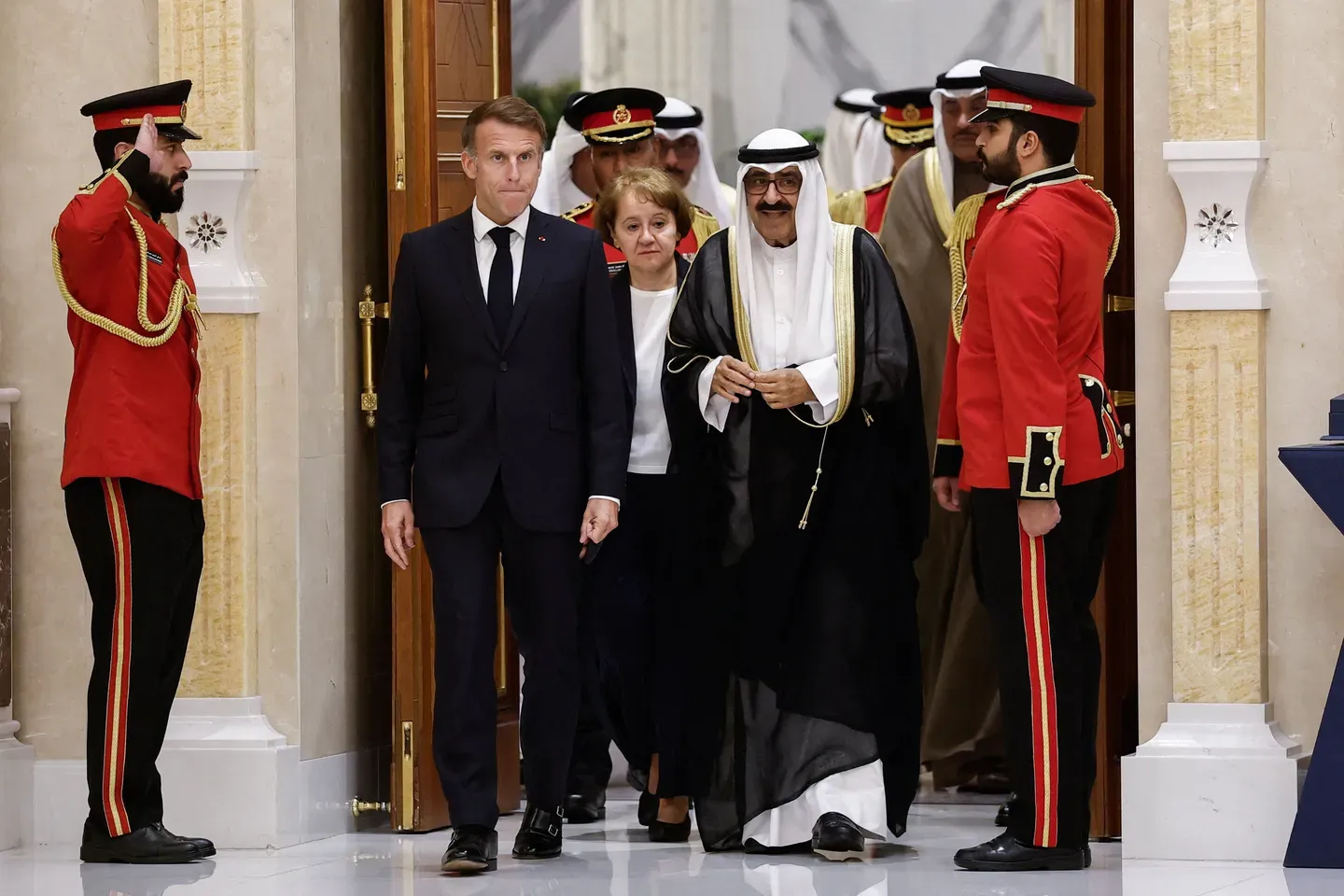
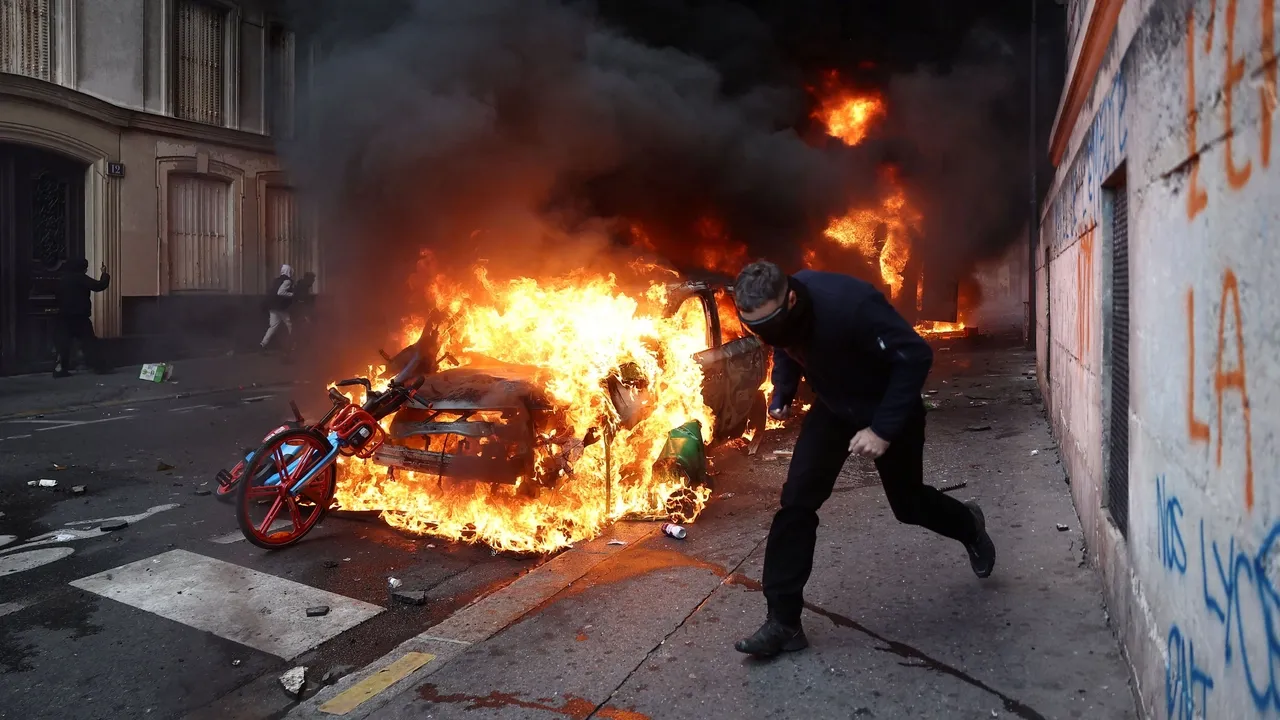



France rocked by nationwide clashes, fires and looting as cost-of-living protests turn violent
Clashes between police and protesters left streets devastated, shops looted and public buildings ablaze, with 1,200 people arrested and 150 officers injured as anger over rising living costs spills onto the streets.
Africa Finance Corporation eyes iron ore and uranium investments
The Africa Finance Corporation is looking for investments in iron ore and uranium as it seeks to expand its reach in critical minerals projects on the continent.
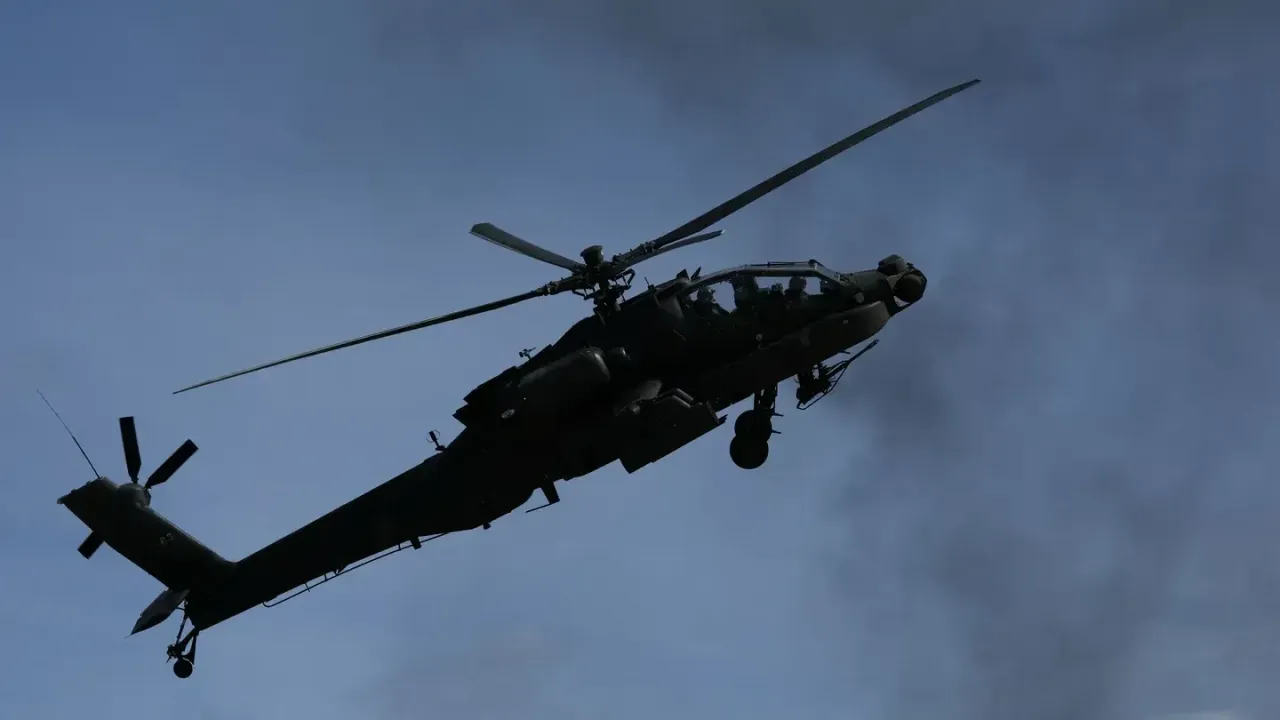
Saudi Arabia intercepts Houthi missiles as two pilots die in helicopter crash
The coalition blamed a technical fault for the crash and said it intercepted two ballistic missiles targeting southwestern Saudi Arabia.




All rights reserved. Newstimetr © 2026