Cabo Verde votes for president, with incumbent favoured to win
Editor:
Halimatou HAMADOU DJIBO


Cabo Verde votes for president on Sunday, with incumbent Jose Maria Neves facing off against the West African island nation's first female candidate.
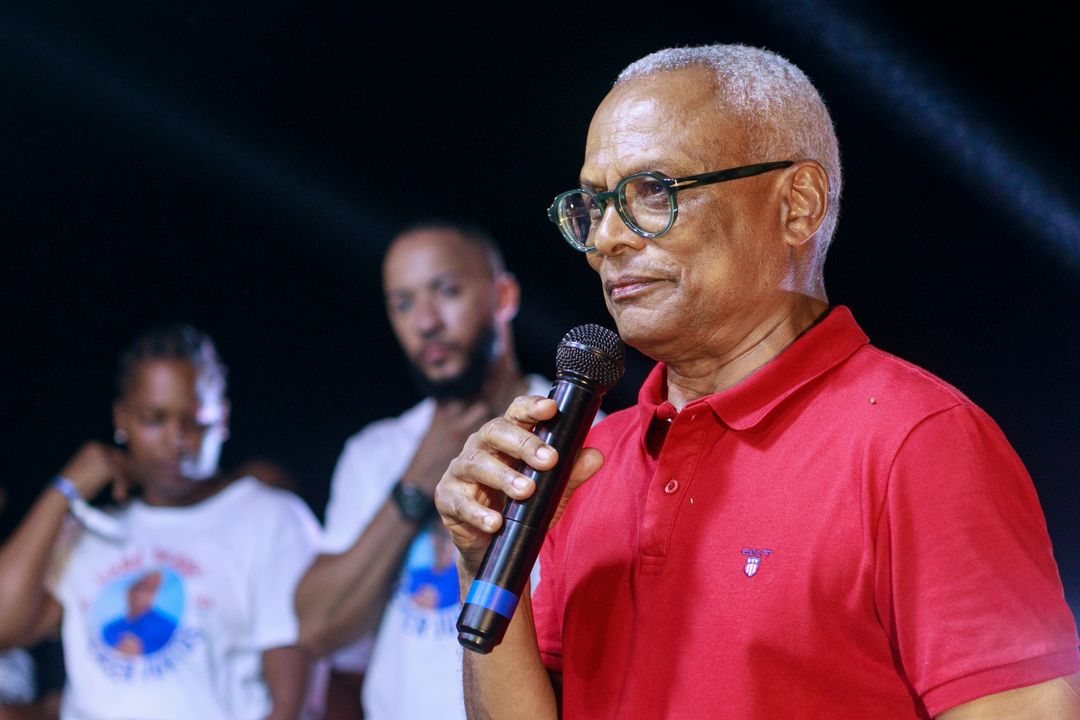
Cabo Verde votes for president on Sunday, with incumbent Jose Maria Neves facing off against the West African island nation's first female candidate, a former justice minister, in a campaign focused on the need to create more jobs for young people.
Situated more than 600 kilometres west of mainland Africa, Cabo Verde is home to around 500,000 people.
Neves, who was prime minister for 15 years and became president in 2021, is from Cabo Verde's oldest political party, the African Party for the Independence of Cabo Verde (PAICV), which won 37 out of 72 seats in legislative elections in May, allowing Francisco Carvalho to become prime minister.
Analysts have tipped Neves to perform best out of the six candidates, including his main challenger Joana Rosa of the Movement for Democracy party, which had governed for 10 years prior to the legislative vote.
Hybrid parliamentary-presidential system
Under a hybrid parliamentary-presidential model, the president has veto authority and a mediating role in Cabo Verde.
Neves has vowed to organise a youth summit during his second term while Rosa has said the government should make it possible for young people to "build their futures here at home and prevent the continued exodus of young Cabo Verdeans abroad."
Polls were set to open at 8 am (0900 GMT) and close at 6 pm (1900 GMT), with official provisional results expected in two or three days.
If no candidate receives more than 50% of the vote, the two top candidates will compete in a runoff on November 29.
TRT Afrika / reuters — TRT Afrika / reuters
Photo: AP (Wire)





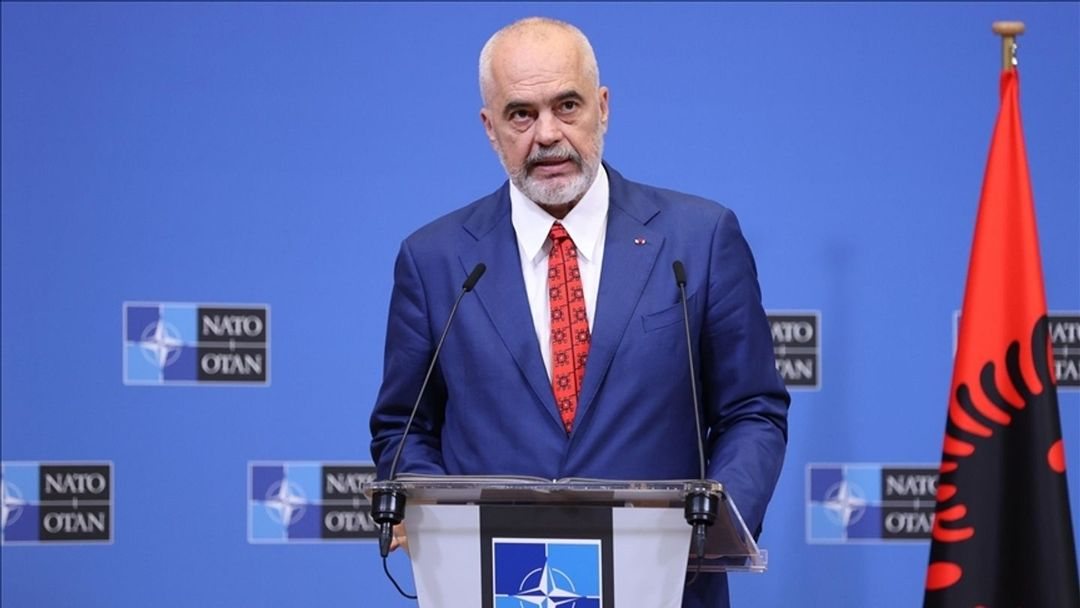
NATO puts Albania summit on hold as alliance faces growing divisions
The military alliance is also reducing ministerial gatherings amid disputes over defence spending, the war in Ukraine and US President Donald Trump’s demands on allies.
ASEAN summit opens in Philippines with call for unity
Philippines President Ferdinand Marcos Jr. stresses collective decision-making among member nations to address regional challenges.
Hamas urges emergency global action as Gaza floods affect over 200,000 Palestinians
Khalil al-Hayya calls for urgent shelter and heating supplies as heavy rains damage displacement camps, leaving hundreds of thousands of Palestinians exposed to worsening conditions.




All rights reserved. Newstimetr © 2026