The military alliance is also reducing ministerial gatherings amid disputes over defence spending, the war in Ukraine and US President Donald Trump’s demands on allies.
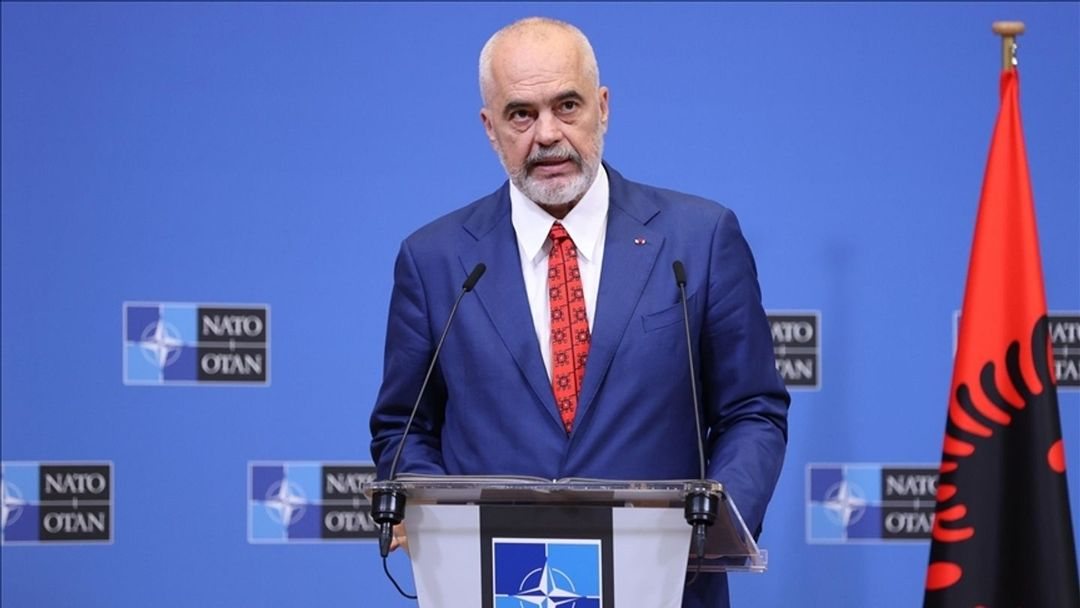
NATO is scaling back its high-level meetings and will not hold a leaders’ summit in Albania in 2027 as originally planned, reflecting mounting tensions within the alliance over defence spending, the war in Ukraine and the conflict involving Iran.
Albanian Prime Minister Edi Rama said Thursday that there was no agreement on when the next summit would take place, ruling out a meeting in 2027 and suggesting Tirana could host one in 2028.
“There is not yet a common position on when the summit will happen, for sure not in 2027,” Rama said.
NATO Secretary-General Mark Rutte played down the delay, saying the alliance could arrange summits whenever necessary.
“We are flexible with NATO summits,” he told The Associated Press. “We have summits when we need them.”
NATO reduces ministerial meetings
The changes extend beyond leaders’ gatherings. NATO defence ministers, who traditionally meet in October, held no meeting last month, and none is planned for October 2027.
Foreign ministers will also have only one scheduled meeting next year, rather than the usual two, under what the alliance calls a “reorganisation package”.
US Defence Secretary Pete Hegseth and Secretary of State Marco Rubio have each skipped a NATO meeting or left before discussions concluded since taking office. Hegseth has also used ministerial gatherings to criticise European allies and Canada over defence spending.
Albania's defence spending under scrutiny
Albania was named as the planned host for the 2027 summit in 2025, but its name was later omitted from a declaration issued at a NATO meeting in July.
Some allies have questioned whether Tirana spends enough on defence to host the alliance’s flagship event. Albania is projected to allocate 2.15 percent of its gross domestic product to defence this year.
NATO’s 32 members have agreed to reach a broader spending target by 2035, allocating 3.5 percent of GDP to core defence and a further 1.5 percent to defence-related infrastructure.
Albania is not the alliance’s lowest spender, with Spain, Belgium and Slovenia projected to fall further short of the target.
Cost and political tensions complicate summit planning
Hosting a NATO summit requires extensive security arrangements, infrastructure and months of preparation. The Netherlands spent about $100 million preparing for the 2025 gathering in The Hague, while officials said a decision on Albania would have been needed by October to organise a meeting next year.
The meeting was overshadowed by Trump’s renewed remarks about taking control of Greenland, which belongs to NATO ally Denmark, and his criticism of allies for not supporting the US war on Iran.
European members remain concerned that Russia could test the alliance’s unity, making the summits an important opportunity to demonstrate collective resolve.
Experts question whether annual gatherings are necessary
Despite the political and logistical challenges, Rutte defended the value of bringing leaders together, describing the events as costly but worthwhile.
However, David Cattler, a senior fellow at the Center for European Policy Analysis and a former senior NATO intelligence official, said the alliance may not need to hold a summit every year.
He argued that new defence spending goals and military capability targets had already been agreed, suggesting leaders could meet less frequently unless major issues required their attention.
NATO also has alternatives in an emergency. In February 2022, after Russia launched its full-scale invasion of Ukraine, the alliance held its first-ever virtual summit.
TRT World and Agencies — TRT World and Agencies
Photo: АА