'All the Jews are sick of you': New book reveals Trump's reported warning to Netanyahu
Editor:
Halimatou HAMADOU DJIBO


A book by a New York Times journalist, Maggie Haberman and Jonathan Swan, alleges that Donald Trump lashed out at Benjamin Netanyahu during 2025 Gaza ceasefire talks, warning him not to abandon a US-backed deal.
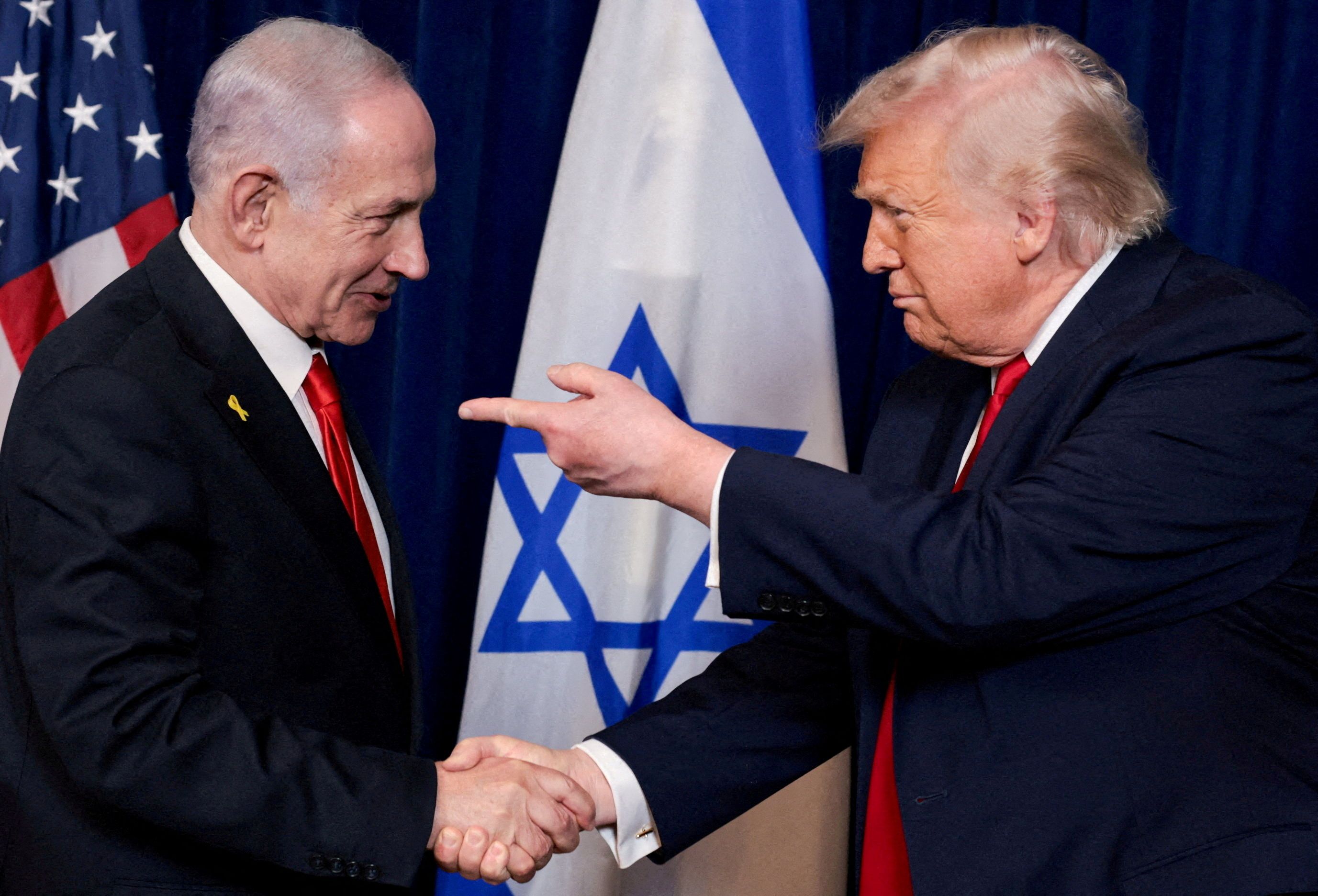
US President Donald Trump sharply criticised Israeli Prime Minister Benjamin Netanyahu during a fiery phone call in 2025 concerning negotiations to secure a ceasefire in Gaza, according to a new book published on Tuesday by a New York Times journalist, Maggie Haberman and Jonathan Swan.
The book, Regime Change: Inside the Imperial Presidency of Donald Trump, explores the first year of Trump’s second term, including the administration’s role in brokering a ceasefire between Israel and Hamas that was meant to end the genocidal war on Gaza.
As described in excerpts from the book, Trump became angry during a call with Netanyahu that also included senior US aides Steve Witkoff and Jared Kushner, who are Jewish. He reportedly told the Israeli leader: “Everybody’s sick of you, Bibi. All the Jews are sick of you. Even the two Jews on this call are sick of you.”
The conversation reportedly took place during the United Nations General Assembly in September 2025, while Trump was advocating a 20-point proposal aimed at ending the war in Gaza and rebuilding the territory, the Times of Israel reported.
Earlier that month, Israel carried out an air strike targeting Hamas leaders in Qatar as they met to discuss a possible ceasefire agreement. While the strike did not eliminate the senior Hamas figures it sought to kill, it resulted in the deaths of several lower-ranking Hamas members and a Qatari security guard. Following the incident, Qatar declined to continue serving as a mediator in negotiations between Israel and Hamas.
The excerpts do not make clear whether Trump’s frustration during the phone call was connected to the Qatar strike.
Trump to Netanyahu: ‘You can't back down from the deal’
The book also reveals that Witkoff and Kushner warned US President's Chief of Staff Susie Wiles that Netanyahu could try to call Trump and derail the Gaza peace plan.
White House officials, concerned about Netanyahu's sabotage, kept Kushner and Witkoff on the line when Netanyahu got on the phone, Anadolu reported.
It was reported that Trump, who started shouting at Netanyahu in the first moments of the phone call, used the following statements:
"You can't back down from this agreement. I am the best friend Israel has ever had. Everyone hates you, but I stood behind you. This is a huge deal for Israel."
Another excerpt released earlier alleged that Trump referred to Netanyahu as a “con man” during the opening months of his second administration.
In the book, it is stated that Netanyahu had to accept the agreement in the face of this pressure, and that two days after this tense talk, the two leaders held a joint press conference and gave a message of unity to the public.
Israel's attack on Doha creates crisis in the White House
According to the book, there was a serious crisis of confidence between Washington and Tel Aviv before the ceasefire was declared in Gaza.
Just one day after Witkoff and Kushner discussed the Gaza plan with former Israeli Minister of Strategic Affairs Ron Dermer, the Israeli army launched an attack on Doha, the capital of Qatar.
Kushner and Witkoff, who were aware of the attack, conveyed their discomfort to White House officials, saying, "Dermer lied to us," the book says.
The ensuing crisis was seen by Kushner as an opportunity to force Netanyahu to compromise, the book states, and subsequently the 20-point Gaza plan made progress.
The book also included a claim that Kushner and Witkoff met with Qatari Prime Minister Sheikh Mohammed bin Abdurrahman Al Thani during the contacts held on the margins of the UNGA in New York and that the Qatari prime minister personally made arrangements on the draft text of the deal.
The Gaza ceasefire agreement entered into force on October 10 2025, and in its first phase, steps such as prisoner exchange, increased humanitarian aid entry and partial withdrawal of the Israeli army from some areas of the Palestinian enclave were implemented.
Despite the deal, Israel has continued near-daily attacks on Gaza and restricting the entry of humanitarian aid into the enclave.








Poland warns of assassination attempt on PM, defence minister
Security officials say there is a strong likelihood the threats could be carried out, as authorities order action.
Türkiye 'strongly' condemns deadly Houthi militia attack on Riyadh airport
Ankara says attacks targeting civilians and civilian infrastructure violate international law.
Djibouti migrant boat tragedy kills at least 109 people, including 15 children
At least 109 migrants died, including 15 children, and approximately 116 others went missing when a boat sank off the shores of Djibouti overnight on October 8-9.




All rights reserved. Newstimetr © 2026