WHO chief urges safe burials in visit to heart of Ebola outbreak
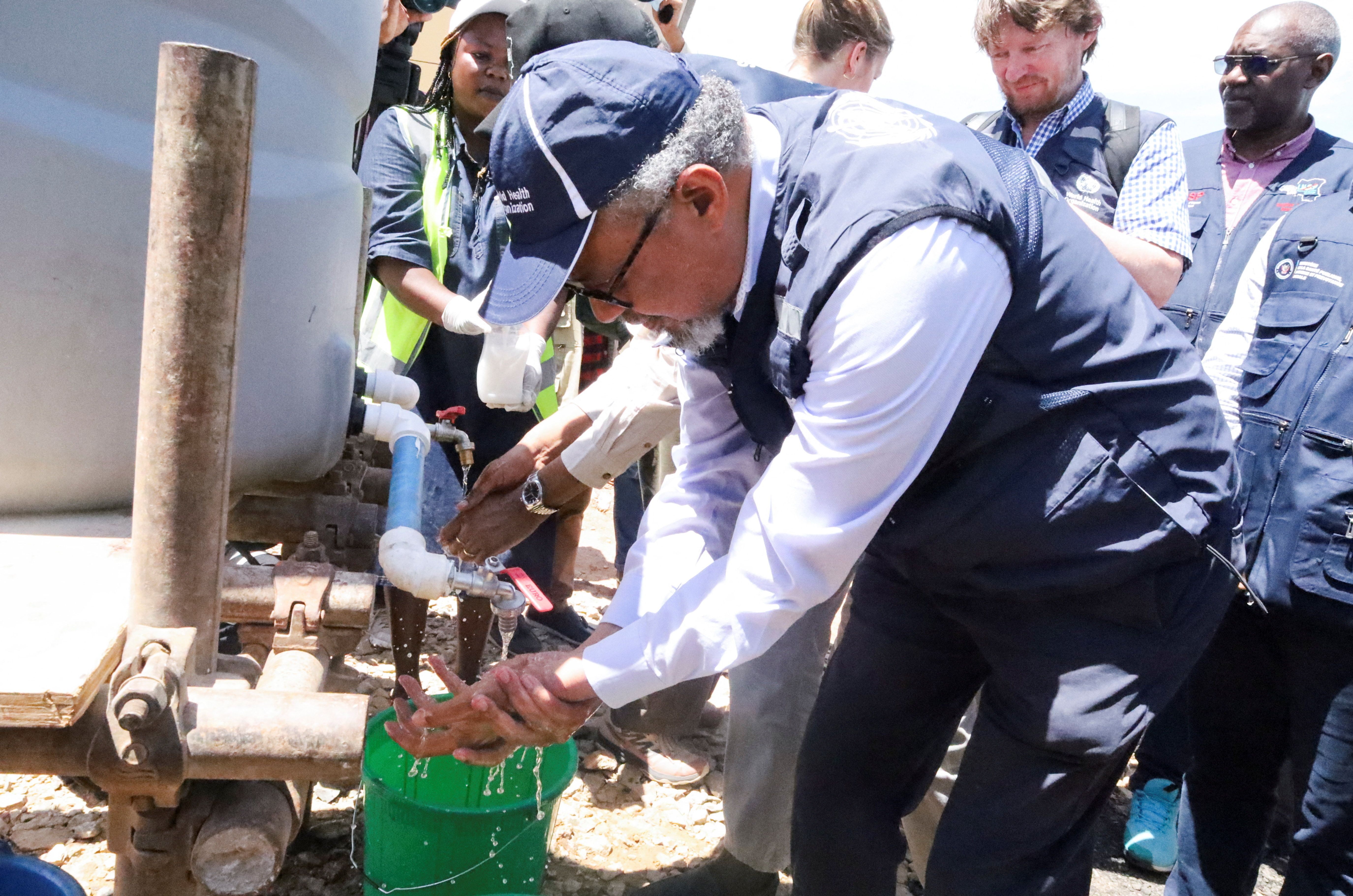
The World Health Organisation chief travelled on Saturday to the DRC province hardest hit by an Ebola outbreak, urging residents to seek treatment and practice safe burials as officials scramble to contain the fatal disease.
The outbreak - the 17th in Democratic Republic of Congo and the third-largest since Ebola was discovered half a century ago - is outpacing the global response, something WHO Director-General Tedros Adhanom Ghebreyesus acknowledged this week before travelling to Kinshasa on Thursday.
His visit came as Brazil said it was investigating a suspected Ebola case in Sao Paulo state involving a man who recently visited DRC. Authorities said the patient was in isolation at a specialist hospital.
At a press conference alongside DRC's health minister, Tedros said the rare Bundibugyo strain has no approved vaccines or treatments, making early palliative care - including isolation, rehydration and pain management - critical.
"Seeking care early makes a real difference," he said.
He also urged residents to practice safe burials, warning the bodies of Ebola victims are highly contagious.
"I understand how painful it is to lose someone and how much it means to honour them properly," he said.
"While we grieve for those we have lost, we must do everything we can so that we do not lose another."
There have already been multiple attacks on health facilities by crowds seeking to reclaim bodies for traditional burials, in which family members handle the body without proper protective equipment.
The WHO said on Friday there were 223 suspected Ebola deaths in the DRC
Health Minister Samuel Roger Kamba said later authorities had identified 1,028 suspected cases, with 225 confirmed cases.
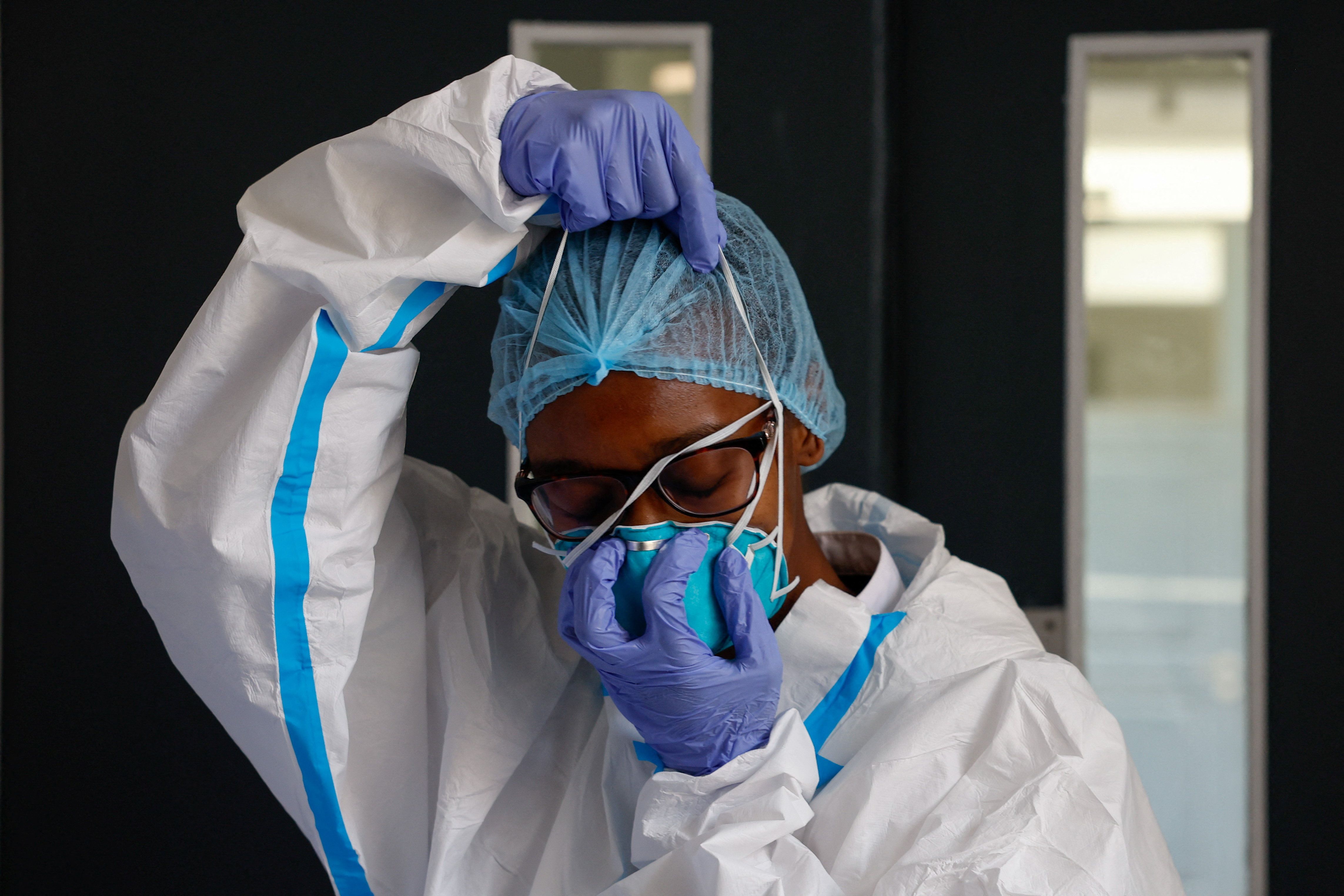
Health officials and aid workers say they lack even basic supplies such as masks after the outbreak spread undetected for weeks.
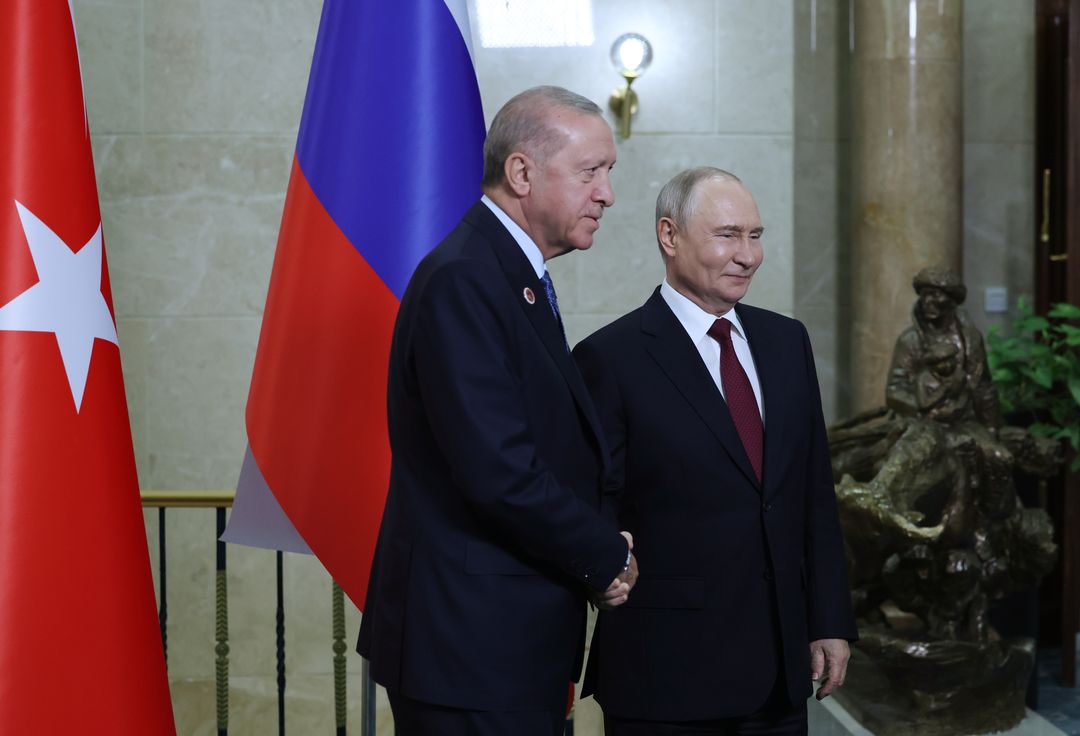
The Turkish and Russian presidents review bilateral ties and regional developments, with Ankara reaffirming its readiness to support direct dialogue between Moscow and Kiev.
Damaged infrastructure, electricity shortages and restrictions on essential supplies have left most households struggling to access safe water and sanitation.