Türkiye Expands Its Defense Ambitions as Global Security Shifts Create New Opportunities
Editor:
Halimatou HAMADOU DJIBO
As Europe accelerates military modernization and global defense spending reaches record levels, Türkiye is positioning itself as both a strategic NATO ally and one of the world's fastest-growing defense exporters.
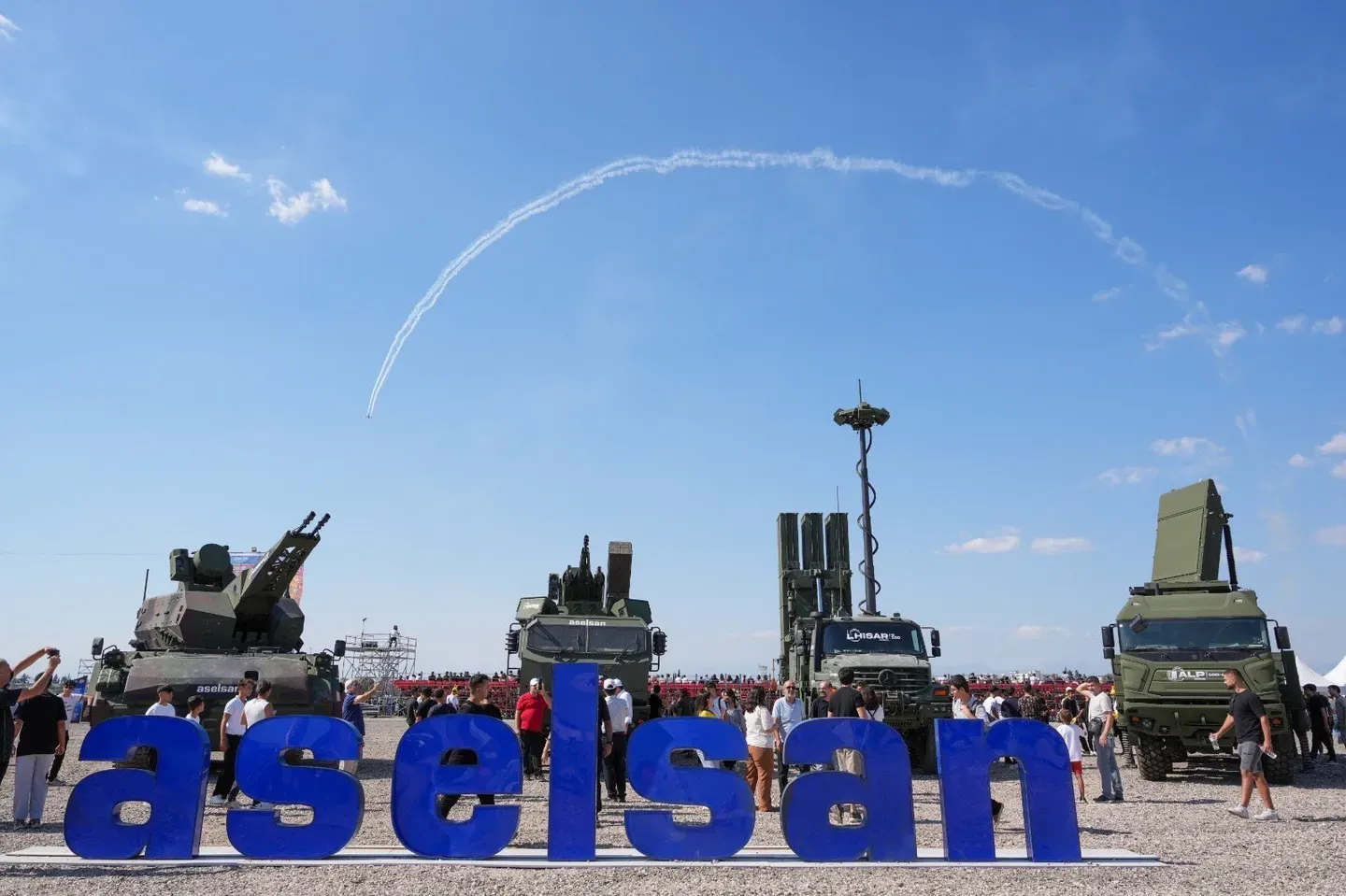
Over the past two decades, Türkiye has undergone one of the most significant defense transformations among NATO members. Once heavily dependent on imported military equipment, the country now manufactures a broad range of indigenous systems, including armed drones, naval vessels, armored vehicles, precision-guided munitions, radar systems and air defense platforms.
That transformation is increasingly attracting international attention. As European governments raise defense budgets following Russia's invasion of Ukraine and broader geopolitical instability, Ankara sees an opportunity to become not only a frontline security partner but also a key supplier to allied nations.
Türkiye's defense and aerospace sector recently crossed a symbolic threshold, with exports exceeding $11 billion over a rolling 12-month period for the first time. June exports alone rose nearly 30% year over year, highlighting sustained international demand for Turkish defense products.
Officials say the industry's growth reflects years of investment in research, domestic production capacity and a network of more than 3,500 companies supplying everything from electronic warfare systems to unmanned aerial vehicles.
Export destinations have also diversified. While Gulf countries, Africa and Central Asia remain important markets, NATO members now account for an increasing share of Turkish defense sales.
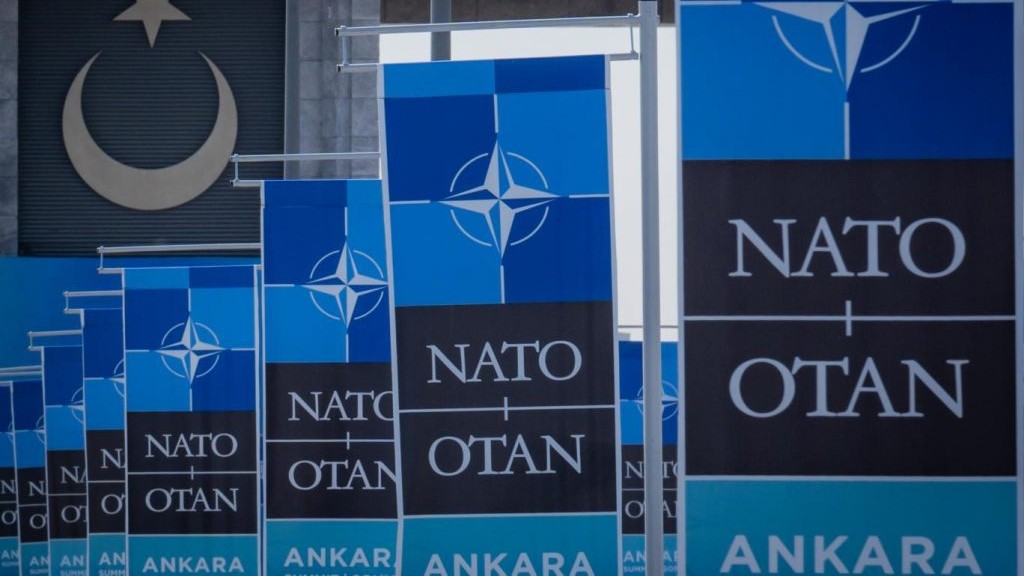
This week's NATO Summit in Ankara has become more than a diplomatic gathering. It also serves as a platform for Türkiye to demonstrate its rapidly expanding defense ecosystem.
For the first time, the Defense Industry Forum has been fully integrated into the summit agenda, bringing together thousands of defense companies, military officials and procurement agencies.
Industry executives hope the event will accelerate export negotiations while strengthening partnerships with European manufacturers seeking new production capacity.
The changing security environment has altered perceptions within Europe.
For years, political disagreements complicated defense cooperation between Türkiye and several European capitals. However, growing concerns over supply chain resilience, production capacity and military readiness have encouraged a more pragmatic approach.
European governments increasingly recognize that Türkiye possesses one of NATO's largest manufacturing bases for drones, armored vehicles and missile systems.
Analysts say this shift reflects changing strategic realities rather than temporary political convenience.
One of the clearest signs of renewed defense cooperation emerged this week as France reconsidered its previous opposition to the possible sale of the Franco-Italian SAMP/T air defense system to Türkiye.
Although negotiations remain at an early stage, officials from France, Italy and Türkiye have signaled greater willingness to revive discussions after years of diplomatic tension.
If finalized, the agreement would represent an important step toward rebuilding defense cooperation between Ankara and key European allies.
Rather than relying solely on licensed production, Türkiye has increasingly emphasized domestic innovation.
Programs such as the KAAN fighter aircraft, the Steel Dome integrated air defense network and advanced unmanned combat systems illustrate Ankara's ambition to reduce external dependence while expanding exports.
Turkish defense companies are also investing heavily in artificial intelligence, autonomous systems and electronic warfare technologies—areas expected to define future military competition.
Industry experts believe these capabilities will become increasingly important as warfare evolves toward network-centric and data-driven operations.
Defense exports inevitably carry diplomatic implications.
Supplying advanced military equipment strengthens political relationships but also requires careful management of regional sensitivities.
Türkiye therefore continues pursuing a multi-directional foreign policy, maintaining defense partnerships across Europe, the Middle East, Africa and Asia while remaining an active NATO member.
Officials argue that expanding industrial cooperation can reinforce long-term political stability by creating deeper economic interdependence among partners.
Despite impressive growth, the sector faces significant obstacles.
Export controls, technology transfer restrictions and financing challenges continue affecting some international projects.
Competition is also intensifying as countries including South Korea, Israel, France and the United States expand production to meet rising global demand.
Maintaining technological competitiveness will require sustained investment in advanced engineering, semiconductor technologies and highly skilled human capital.
The international defense market is expected to remain strong throughout the coming decade.
Rising geopolitical tensions, military modernization programs and growing investment in missile defense, drones and cyber capabilities are reshaping procurement priorities worldwide.
For Türkiye, this environment presents an opportunity to strengthen both its economy and its strategic influence.
Whether Ankara can fully capitalize on this moment will depend not only on industrial capacity but also on its ability to deepen international partnerships, sustain technological innovation and navigate an increasingly complex geopolitical landscape.
One thing is already clear: Türkiye is no longer viewed simply as a defense customer. Increasingly, it is becoming a country that helps shape the future of the global defense industry.




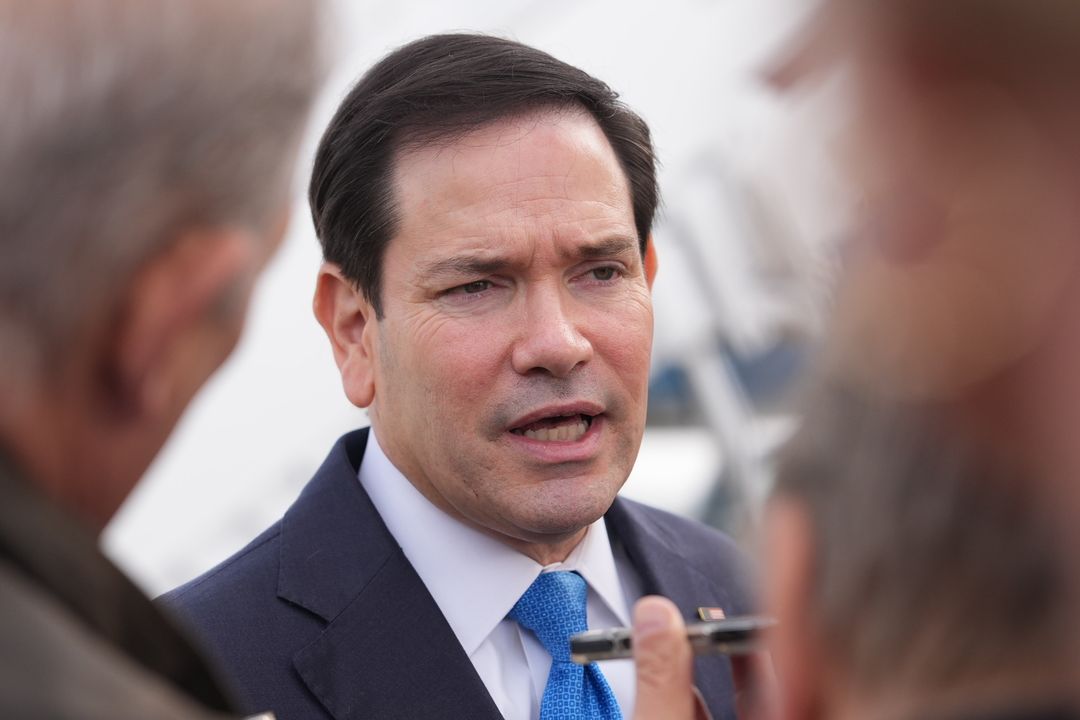
Rubio heads to Iceland to boost US Arctic presence after Greenland pact
The US Secretary of State is also scheduled to visit Greece and Portugal as Washington seeks to strengthen Arctic security ties and deepen cooperation with European countries on energy and regional security.
Jailed Cilia Flores has ‘very delicate’ heart condition, son says
The wife of abducted Venezuelan leader Nicolas Maduro needs heart surgery and should be released to house arrest to recover, her son says.
Türkiye begins construction of spaceport in Somalia, Erdogan says
President Recep Tayyip Erdogan said Türkiye’s geographical circumstances had led it to pursue cooperation with Somalia on the project.




All rights reserved. Newstimetr © 2026