Planeloads and busloads of migrants have been leaving South Africa as anti-migrant groups demand that undocumented migrants leave the country.
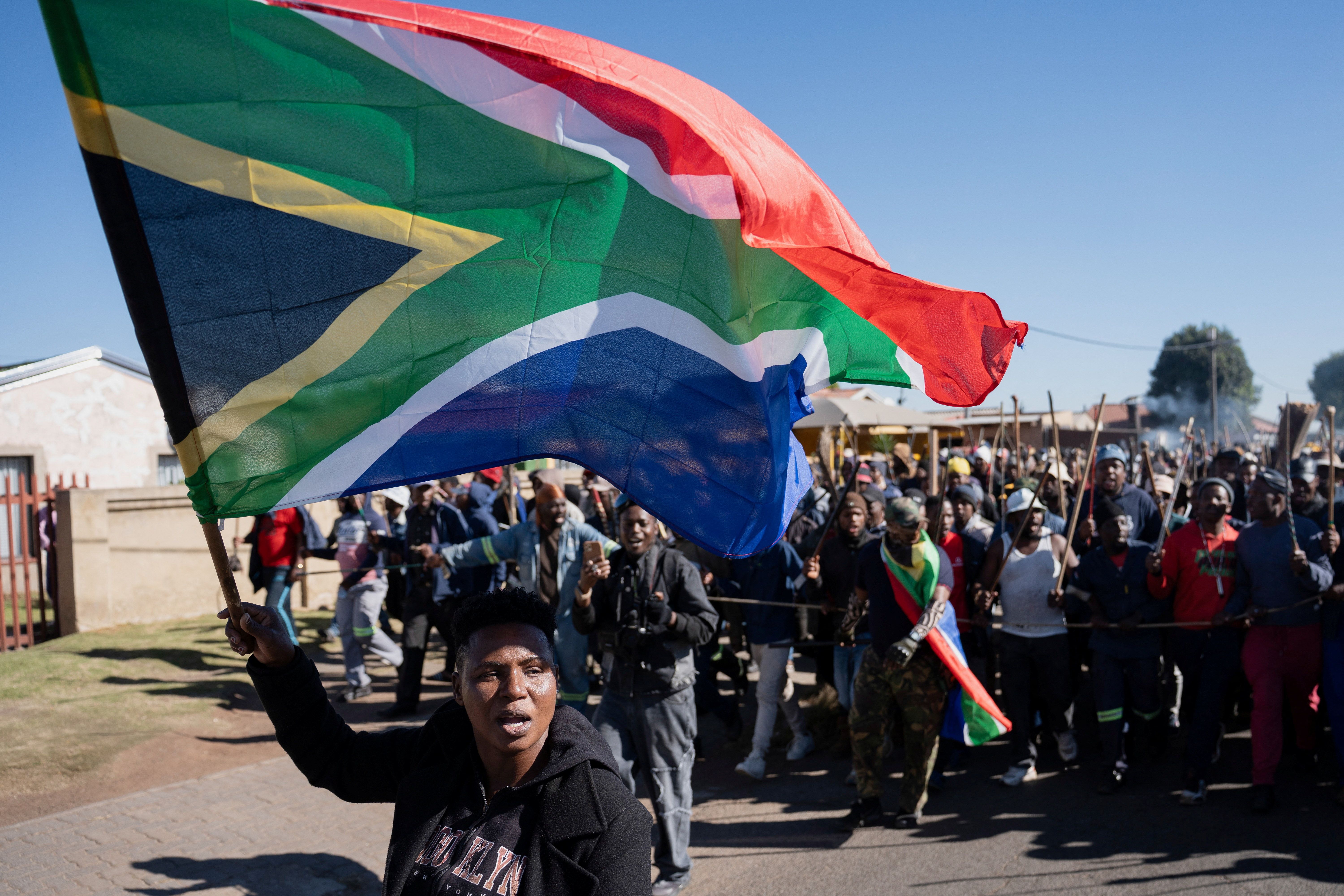
Anti-immigrant groups continue holding marches in South Africa, demanding the authorities do more to deal with undocumented migrants and to strengthen border security.
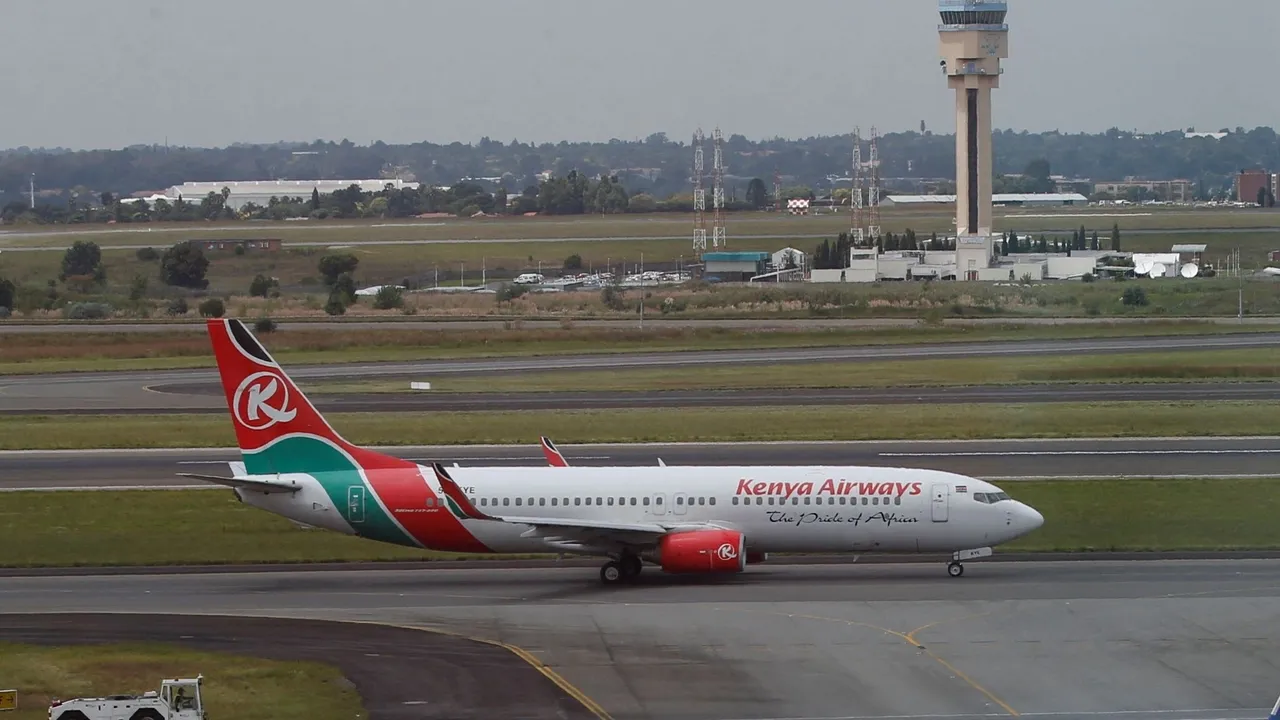
Planeloads and busloads of migrants have been leaving the country - part of measures by African countries like Nigeria, Ghana and Malawi to evacuate some of their nationals as fears of more violence grow amid the anti-immigrant sentiments.
March & March, a group at the forefront of the protests, set a 30 June deadline for undocumented foreigners to leave the country, although it is unclear what will happen to those who do not comply with the unofficial ultimatum.
"The last couple of weeks have seen a campaign of intimidation and violence directed against migrants, refugees and asylum seekers from Africa," Alana Baranov, who leads a refugee rights programme in South Africa, told TRT Afrika.
"Refugee community leaders are being told that the coming deadline is going to be enforced, so people are scared to run their businesses or go to their places of work."
The country hosts approximately 2.4 million immigrants, according to the country's statistics agency, representing about 4% of the total population of 61.4 million.
Last year alone, the Border Management Authority (BMA) successfully intercepted some 450,000 people trying to enter South Africa illegally.
President Cyril Ramaphosa has warned against vigilantism. "Only the authorised government officials may act against violations of the law, including violation of our immigration laws," he said in a televised address on Sunday.
South Africa is the economic powerhouse in Southern Africa with a GDP bigger than that of its regional neighbours combined, according to estimates.
That status has long made it a magnet for migrants from the whole region dating from the apartheid era in the first half of the 20th century.
"The migration started in the colonial era, triggered by the opportunity that the mines and farms in South Africa were presenting. It was people from Zimbabwe, Botswana, Mozambique, Zambia, Angola - everyone in the region moved in," Musa Kika, a Zimbabwean constitutional lawyer, told TRT Afrika.
Crucial for economy
The migrants were crucial for the South African economy. "There was no pushback from the apartheid regime because they wanted the labour."
After the end of white-minority rule in 1994, the patterns of migration remained intact.
The country's new leadership under the African National Congress (ANC) projected itself as a bulwark of stability and promised regional prosperity.
However, in the subsequent years, neighbouring countries like Zimbabwe gradually descended into political and economic crisis that pushed people out.
Pretoria's response was limited, in part because of what some analysts term as a show of solidarity with former liberation movements that were in power in those countries.
Analysts argue that such support and a preference for "quiet diplomacy" with neighbours contributed to escalating the challenge of illegal migration.
"We started seeing economic and political refugees moving into South Africa and that continued up to 2009. That is when the anti-migrant problem started," Kika observed.
Some campaigners and analysts have suggested that the latest episode of anti-migrant sentiment is linked to concerns over high unemployment, deteriorating public services and upcoming local elections due in November.
Some smaller parties have aligned their messaging to associate themselves with the concerns to gain traction.
Politicians from the ruling ANC party have spoken of "legitimate concerns" by South Africans on the burden that illegal immigrants place on public services.
"Undocumented migration places strain on healthcare, housing and municipal services, particularly in poor communities," Ramaphosa said last month.
He noted that some South African citizens "collude with undocumented foreign nationals in the illegal sale of state-subsidised housing or accepting bribes to facilitate access to social services."
Yet there are also concerns of migrants being easy targets to vent dissatisfaction instead of dealing with the root causes of South Africa's woes.
"There is a pattern where when something is not going right in a country, it's migrants and refugees who are blamed. We hope there will be a level of protection on the welfare of migrants," Innocent Mugambi, a Malawian refugee rights activist, told TRT Afrika.
Hundreds of migrants have fled their homes and camped outside government offices, citing fears for their lives, amid reports of door-to-door intimidation. Some said they wanted help from their governments to return home.
Campaigners say social media users have amplified circulation of misinformation and hate campaigns, including sharing of photographs and home addresses of leaders of refugee communities, with calls for attacks against them.
"We are seeing videos of people living in bushes. We hope the government will be able to locate where they are hiding and make sure their lives are not in danger - anything else can be worked out while people are feeling safe," said Innocent Mugambi, a refugee rights activist in Malawi.
On Sunday, President Ramaphosa said that the authorities will not allow intimidation of foreign nationals and incitement of violence. He said that only the authorities have the legal powers to act against violations of the laws, including those relating to immigration.
The South African government has rejected the characterisation of what is happening as xenophobia, saying migration is a broader issue in Africa that needs to be tackled holistically.
However, anti-immigrant marches have continued, with demonstrators urging employers to terminate the employment of foreign nationals who they claim are holding jobs that should be occupied by South Africans.
"We were generally happy with the president condemning the violence, but now we need to see real action on the ground. That message needs to trickle down to government officials; it needs to reach the police for them to crack down on the violence and to provide safety for refugees and asylum seekers," said Baranov.