Pope’s Visit Raises Hopes for Peace in Cameroon’s Conflict-Hit Anglophone Region
Editor:
Halimatou HAMADOU DJIBO


In Bamenda, residents look to a symbolic visit to revive dialogue amid a complex and prolonged separatist crisis.
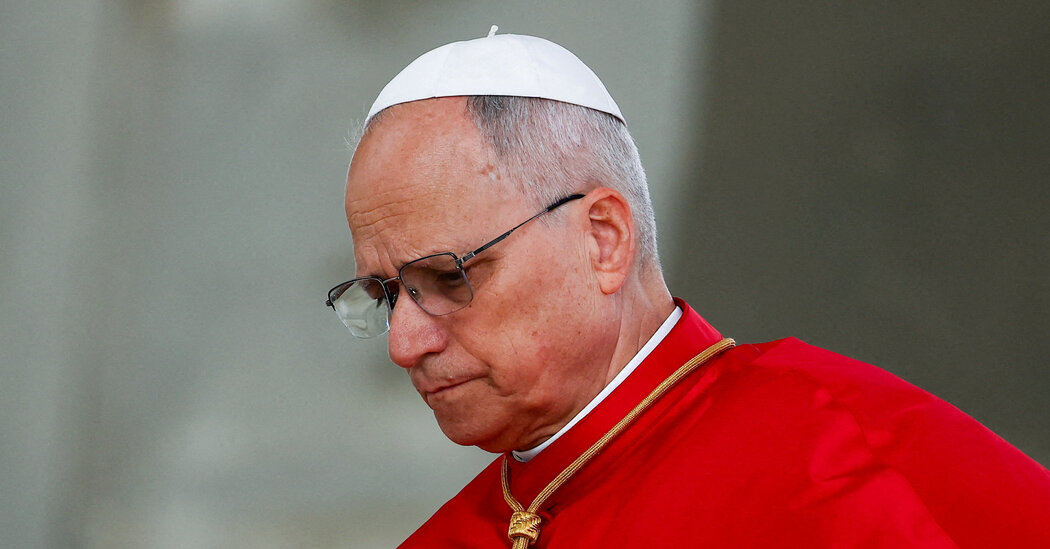
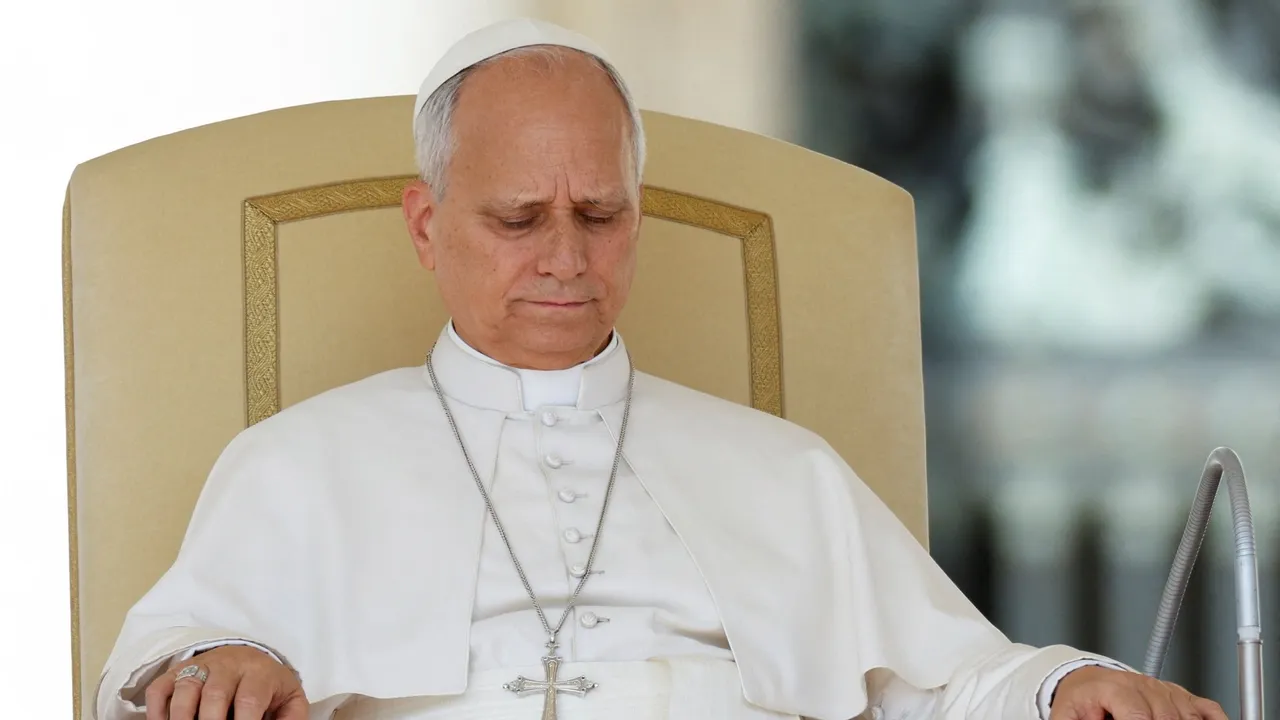
In the city of Bamenda—the epicentre of Cameroon’s Anglophone conflict—residents are expressing cautious optimism ahead of a planned visit by Pope Francis, hoping it could mark a turning point in the crisis.
The conflict, which began in 2016, opposes government forces to separatist groups seeking to establish an independent state known as Ambazonia. Over time, the situation has grown increasingly complex, with religious leaders warning that violence is no longer purely political.
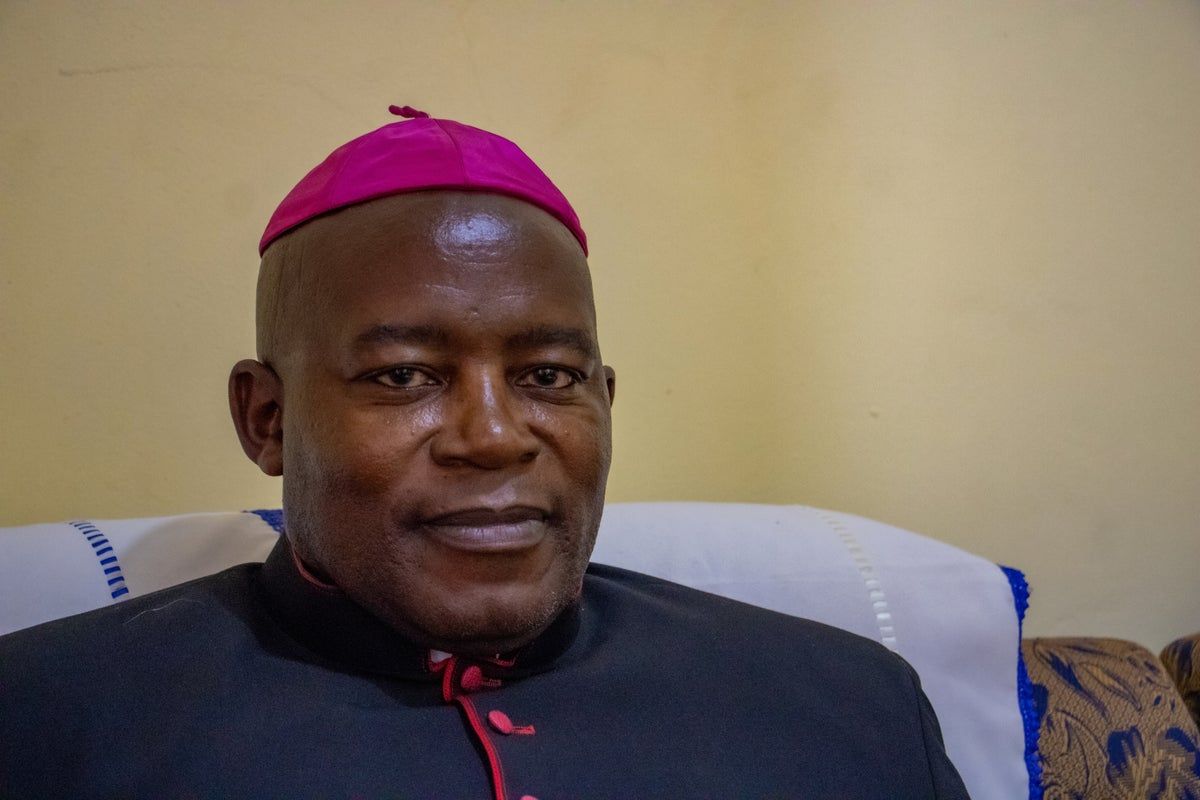
Archbishop Andrew Fuanya Nkea noted that criminal activities such as kidnappings and extortion have become widespread, blurring the lines between separatist fighters and organized criminal groups. Many abductions, he said, are now driven by financial motives rather than political ideology.
Analysts and local figures argue that resolving the crisis requires addressing deeper structural issues. Lawyer Joseph Fru Awah emphasized the need to confront longstanding grievances, including marginalization and identity concerns in English-speaking regions, as well as what he described as “incomplete decolonization.”
The humanitarian toll remains severe. According to the United Nations, the conflict has claimed around 6,000 lives and displaced hundreds of thousands. While officials report a temporary decline in violence, kidnappings and sporadic attacks continue to affect daily life.
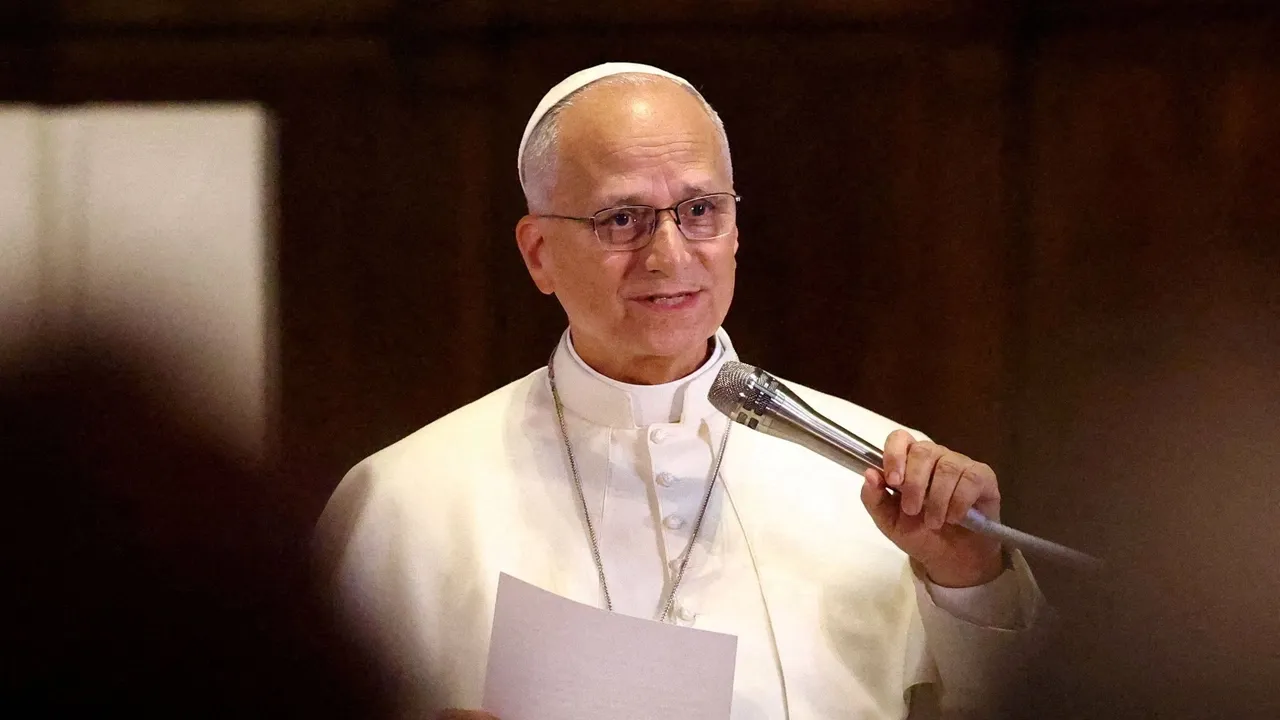
As Pope Francis prepares to deliver a message of peace, many hope his presence will help rekindle dialogue and draw renewed international attention to one of Africa’s most enduring and complex conflicts.





Kenya's Kipruto, Ethiopia's Feysa triumph in Chicago Marathon
Ethiopia's Hawi Feysa retained her Chicago Marathon crown, while Kenya's Amos Kipruto beat holder Uganda's Jacob Kiplimo to the men's title.
Poland warns of assassination attempt on PM, defence minister
Security officials say there is a strong likelihood the threats could be carried out, as authorities order action.
Türkiye 'strongly' condemns deadly Houthi militia attack on Riyadh airport
Ankara says attacks targeting civilians and civilian infrastructure violate international law.




All rights reserved. Newstimetr © 2026