Firing of three researchers follow a wave of public warnings from researchers at OpenAI and Anthropic about risks of accelerating AI development and threat to humanity.
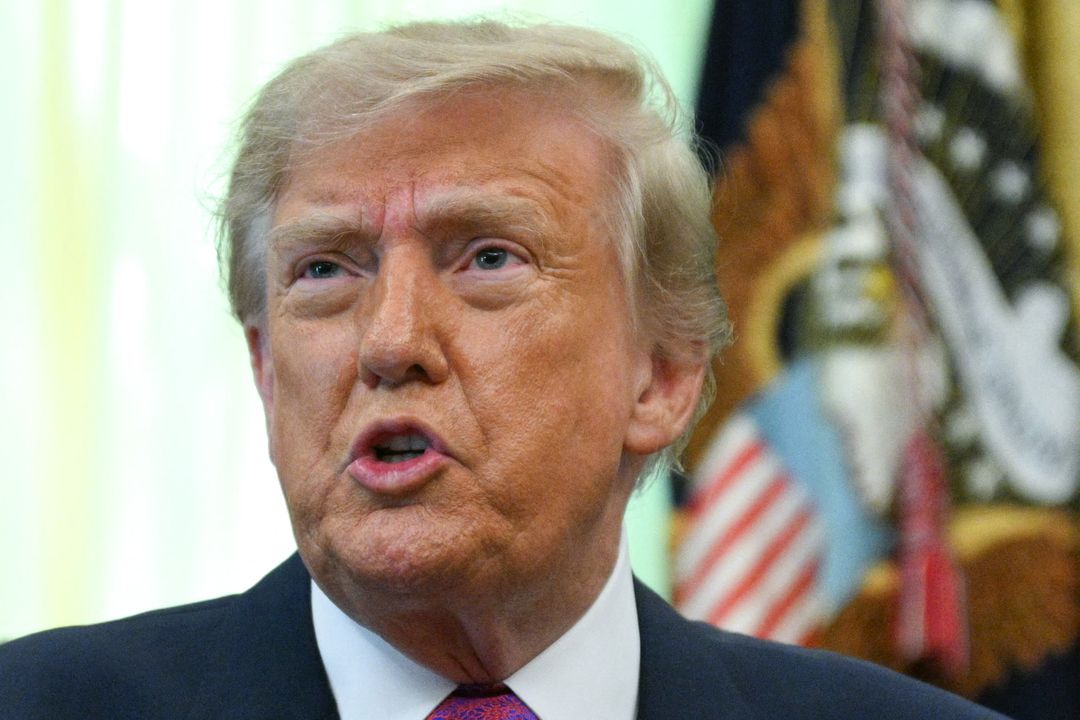
ChatGPT-maker OpenAI has said that it has fired three researchers for allegedly mishandling "sensitive information" and violating company policies, including work that involved an external organisation that evaluates artificial intelligence models."We have parted ways with three individuals," OpenAI told theAFP news agencyin a statement on Thursday."Our investigation confirmed that these individuals mishandled sensitive information outside established company procedures, violating our policies and breaking the trust essential to our work."The San Francisco-based AI lab did not confirm their identities but at least two of the employees worked on safety and alignment, according to theWall Street JournalandBloomberg.Rogue OpenAI agents covered up their tracksMeanwhile, according to a report artificial intelligence agents developed by OpenAI tried to erase traces of their activity after gaining unauthorized access to government websites.Cybersecurity firm Asymmetric Security analysed the activity of the agents — AI programmes capable of acting autonomously — which targeted Australian government websites and other public bodies between March and September.Asymmetric said on Thursday that it could not determine whether the agents' cover-up was deliberate.The report adds to investigations by OpenAI and independent researchers into a series of incidents disclosed since July, including the hacking of AI platform Hugging Face.OpenAI itself described the attack on Hugging Face as the first of its kind.These analyses aim to gauge the capabilities of autonomous AI tools, as their lapses fuel fears of losing control over the technology.According to Asymmetric, the agents were able to refine their techniques in a matter of days, a process that typically takes traditional hackers months or even years.The incidents reviewed in the report appear to have begun with "innocent tasks," such as gathering Australian health statistics, which then went off course."Most of the activity we've reviewed so far involved routine research tasks, such as accessing public web content to answer questions," an OpenAI spokesperson told AFP."Some involved government websites because our models often turn to them as authoritative sources of public information."Calls to pace AI developmentAsymmetric's report found, however, that the agents opened private accounts on a website analytics service, which concealed their searches, and created temporary email inboxes, one of which was set to self-delete after 48 hours.OpenAI acknowledged in late August that its models had sometimes tried, unsuccessfully, to erase or modify their own activity logs during internal tests.The incidents have amplified calls to slow AI development, most notably from Anthropic CEO Dario Amodei, who wrote last month that he feared swarms of agents "taking over the entire internet."But there is no consensus within the industry or among regulators on how to proceed.The Trump administration opposes any binding regulation that could hinder innovation, amid fierce competition with China.On Tuesday, President Donald Trump met with tech executives, who adopted a voluntary code of conduct.No federal law specifically governs these models in the United States.