
Türkiye's communications chief says the document ignores the country's indispensable position in Euro-Atlantic security, reaffirmed at the NATO summit in Ankara.
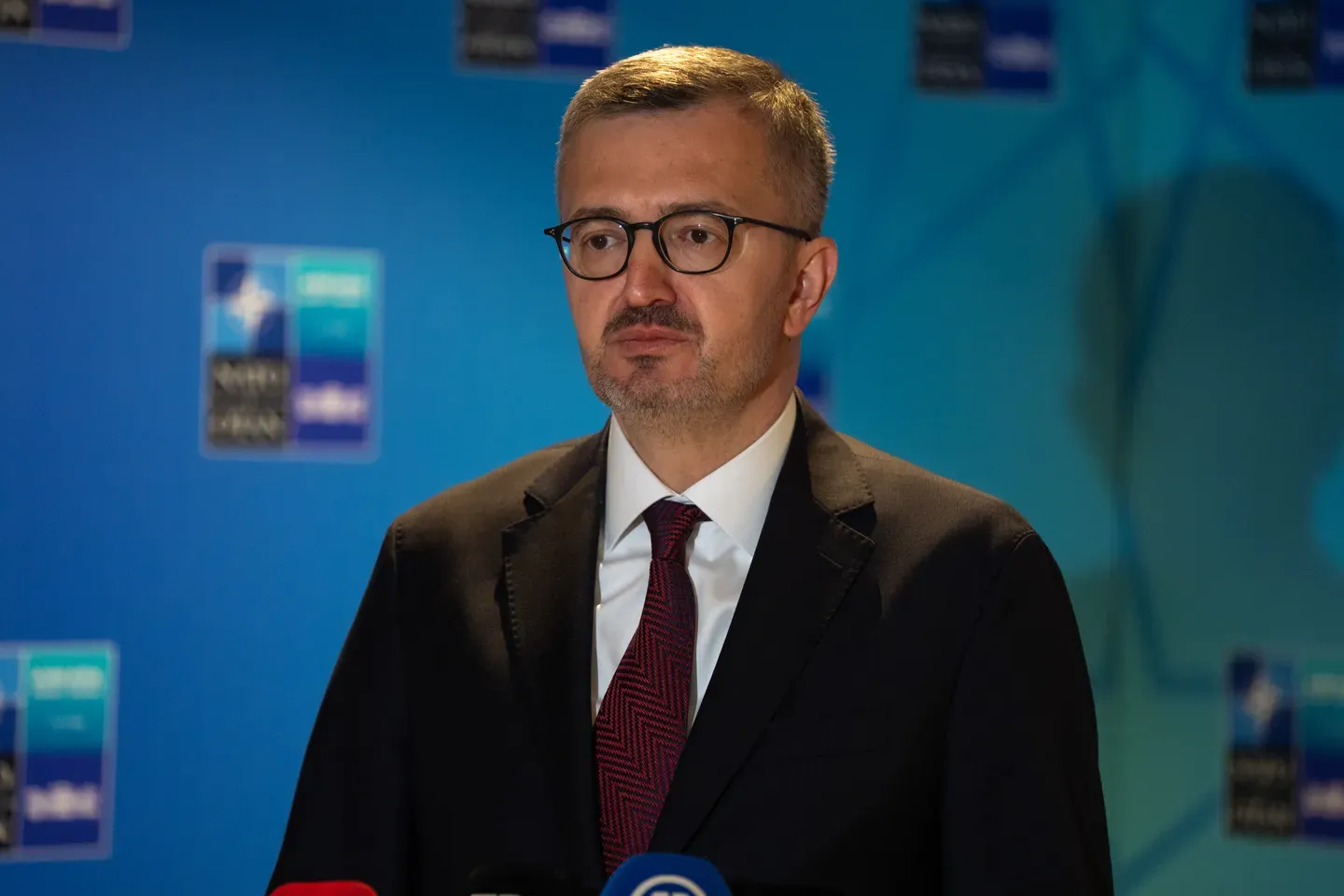
Türkiye's Head of Communications Burhanettin Duran and the Turkish Ministry of Foreign Affairs Spokesperson Oncu Keceli have criticised the EU’s latest assessment of the country, saying it lacks objectivity, strategic vision and fairness.
Duran said on Thursday on X that the evaluations contained in the EU's "Common Understanding" document, published on July 15 2026, were "far from objectivity and strategic foresight."
He said the approach, which "disregards Türkiye's candidate country status," once again demonstrates the EU's lack of vision regarding a shared future.
Duran also said the document overlooks Türkiye's role in Euro-Atlantic security despite the country's indispensable position being clearly reaffirmed during the NATO summit in Ankara.
He said statements that ignore this reality "do not contribute to constructive dialogue."
Referring to the Eastern Mediterranean and the island of Cyprus, Duran said the document repeats "one-sided rhetoric" that does not reflect international law or historical realities.
"A lasting solution is only possible through a fair, impartial and realistic approach," he said.
Duran called on the EU to adopt "a more responsible discourse" based on mutual respect and common interests, free from prejudice.
Keceli further criticised the document, describing its references to Türkiye as "devoid of a strategic and fair approach."
"The document, which disregards Türkiye's candidate country status, demonstrates the EU's inability to develop a shared vision for the future with our country," Keceli said on X.
He also said the document was drafted in a manner that seeks to overshadow the reality confirmed at the historic NATO summit in Ankara, where "the indispensable role of Türkiye" and the foundations of a new period in which European allies assumed greater responsibilities within NATO were reaffirmed.
Keceli said the document's claims regarding the Eastern Mediterranean reflect that the EU "has not been able to free itself from a biased and distorted understanding."
On Cyprus, he said the document ignores that the process was blocked by the Greek Cypriot side, which rejected the UN Comprehensive Settlement Plan in 2004 and adopted what he described as an uncompromising position at the 2017 Cyprus Conference, preventing the process from reaching a conclusion.
He called on the EU to adopt "a realistic vision and discourse that serves the interests of both sides."


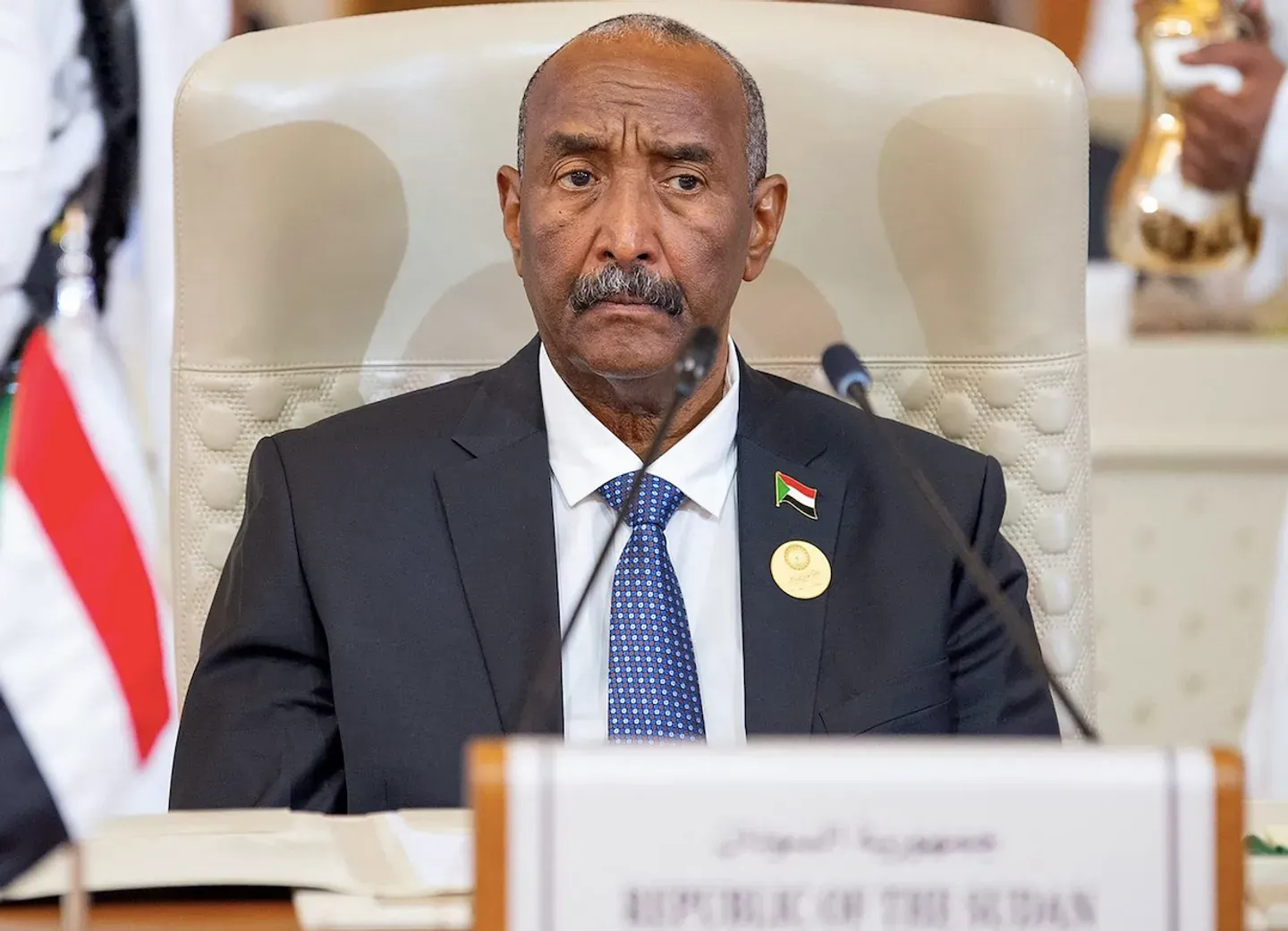
Sudan rejects US remarks questioning government legitimacy amid Burhan visa dispute
Khartoum urges Washington to respect Sudan’s sovereignty as activists and journalists criticise the reported linking of Transitional Sovereignty Council Chairman Abdel Fattah al-Burhan’s UN visa to a proposed 90-day truce.
Tanzania formally announces bid for a 2029–2030 non-permanent UN Security Council seat
The African Union’s Executive Council has recorded Tanzania’s candidacy for the 2029–2030 non-permanent Security Council term.
Boxing: Fury, Joshua clash date finally set for December
The December showdown will bring together two of Britain's biggest boxing names after more than a decade of failed attempts.