Brent and WTI fall nearly three percent this week amid expectations of reduced military escalation and signs of weaker US demand, while attacks on Gulf shipping keep supply concerns alive.
Oil prices edged lower on Friday and were heading for a second consecutive weekly decline as the continued US blockade of Iran eased fears of further military escalation in the Middle East, despite persistent threats to crude shipments.
Brent crude futures fell 28 cents, or 0.29 percent, to $95.54 a barrel, while US West Texas Intermediate (WTI) dropped 56 cents, or 0.63 percent, to $88.18 at 0527 GMT.
The declines reversed gains recorded over the previous two sessions, capping a volatile week in which hopes of easing tensions in the US-Israeli war against Iran were offset by attacks on Saudi infrastructure and oil tankers in the Gulf.
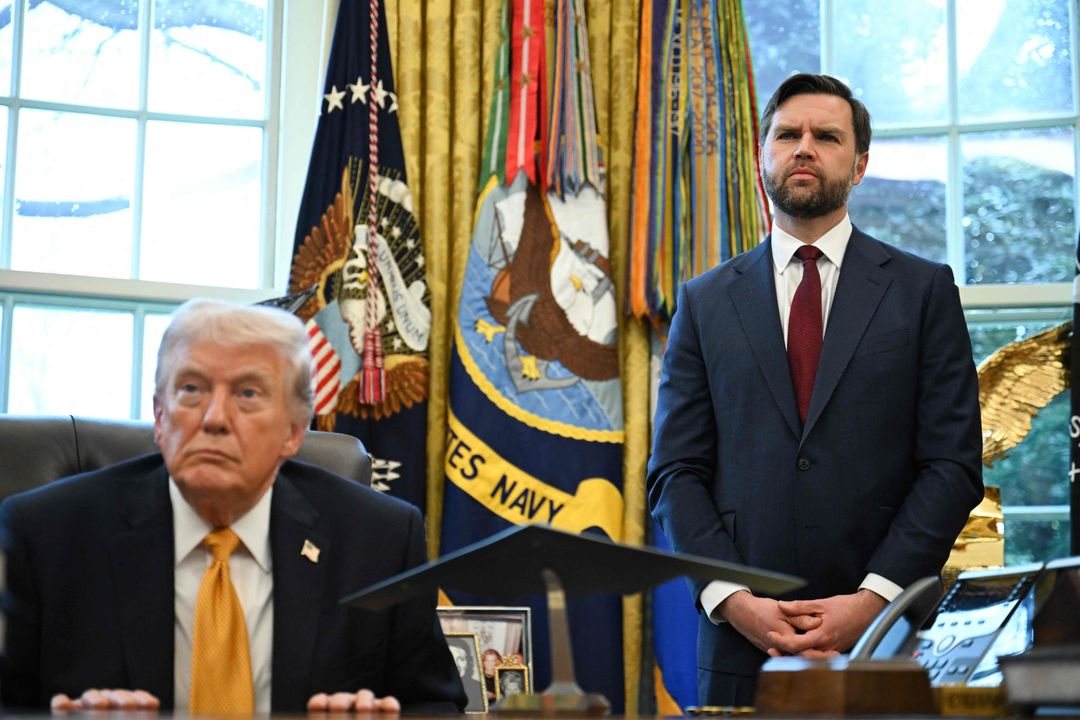
US President Donald Trump said on Truth Social that a deal with Iran was not necessary to end the war.
Sugandha Sachdeva, founder of New Delhi-based research firm SS WealthStreet, said Trump's comments had raised expectations that Washington could rely more on economic sanctions and restrictions on oil shipments rather than expanding military actions.
Weak US demand adds pressure on prices
Signs of softer US demand have also weighed on the market, with rising crude and fuel inventories pointing to subdued consumption.
The US Energy Information Administration reported on Thursday that crude and fuel stocks increased last week, driven by weaker demand for refined products and a jump in oil imports.
Brent was on course for a 2.9 percent weekly decline, following a 16 percent plunge the previous week.
WTI was also heading for a 2.9 percent drop after falling 13 percent in the previous week.
Strait of Hormuz remains a major supply risk
Despite the decline in prices, concerns remain over the security of oil shipments through the Strait of Hormuz, a vital route for crude exports from major Middle Eastern producers.
Iran's military said on Thursday that four oil tankers had been hit by explosions in the strait after ignoring warnings.
Meanwhile, Houthi militias claimed attacks on a pumping station along Saudi Arabia's East-West oil pipeline, an oil facility in the Red Sea city of Yanbu and an Aramco building in Riyadh.
Sachdeva warned that geopolitical risks remained elevated and that any fresh disruption to supplies could quickly push prices higher.
“Geopolitical risks remain elevated, and any fresh disruption to oil supplies could quickly reignite upward pressure on prices,” she said.
Turkish Agriculture and Forestry Minister Ibrahim Yumakli says Türkiye has begun implementing its National Water Plan for 2026-2035 to improve water efficiency and strengthen climate preparedness.
Zimbabwean author Simbarashe Kundizeza said he felt 'relieved' after being cleared of allegations of using artificial intelligence to write this year’s award-winning story.