Nigeria’s Fuel Prices Surge Despite Dangote Refinery
Editor:
Halimatou HAMADOU DJIBO


Global Oil Shock Hits Households and Businesses
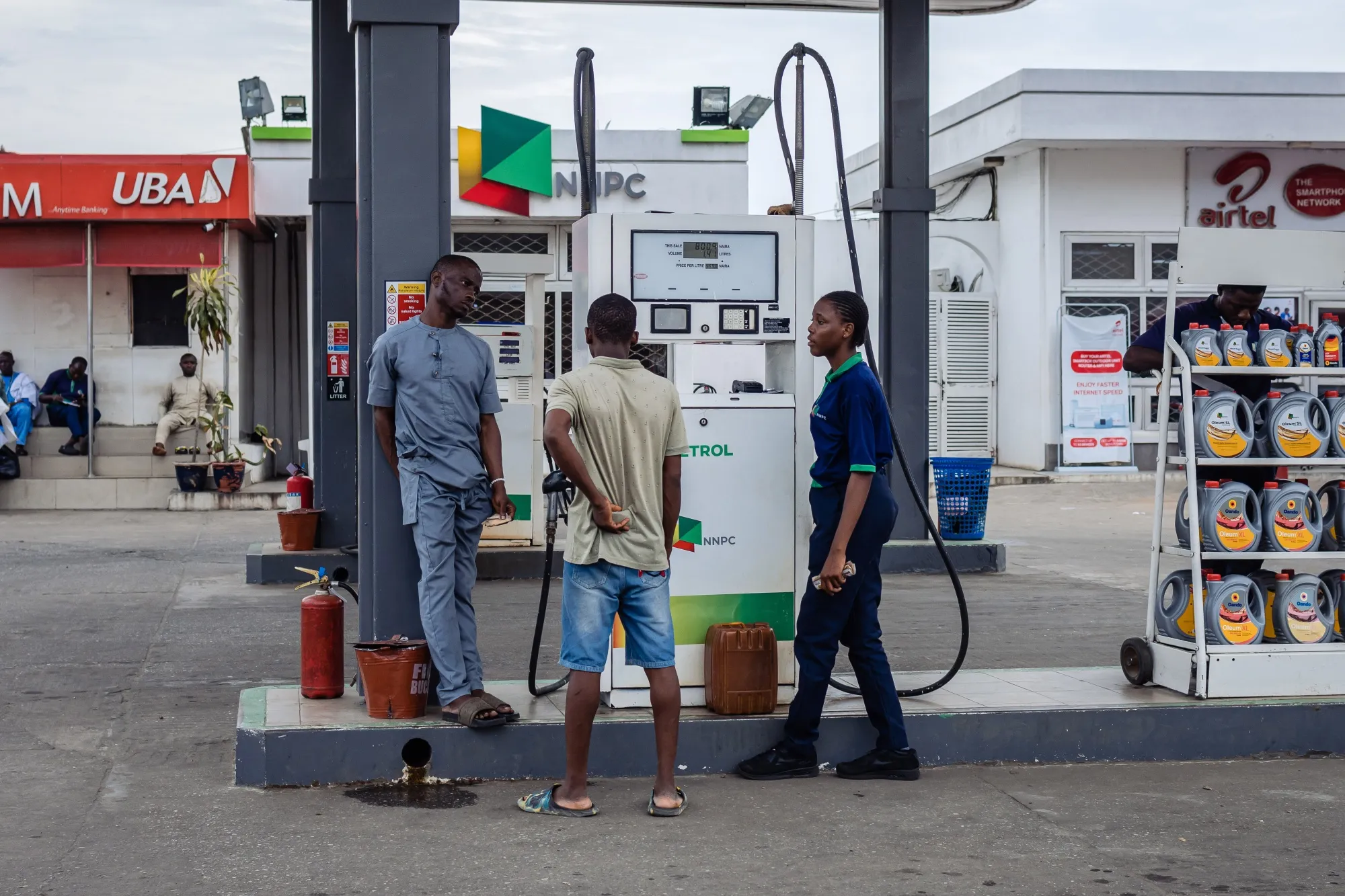
The surge is worsened by the ongoing Middle East conflict, which has disrupted supply routes and pushed oil prices above $100 per barrel. For Nigerians, the impact is immediate: transport costs have soared, food prices have doubled in some cases, and businesses face higher operating expenses. With unreliable electricity nationwide, households and companies reliant on fuel-powered generators are especially vulnerable.
The government has ruled out reintroducing subsidies, opting instead for long-term market reforms and limited short-term relief measures.








CAS to hear Senegal's appeal on 2025 AFCON title awarded to Morocco
Senegal are contesting the Confederation of African Football's decision to declare Morocco champions, despite Senegal beating the hosts 1-0 after extra time.
Kosovo swears in Shiroka-Pula as president, averting snap elections
Prime Minister Albin Kurti welcomes Shiroka-Pula's election, describing it as a sign of institutional stability.
Merz warns extremism is entering German parliaments after AfD victory
The election of AfD lawmaker Tobias Rausch as Saxony-Anhalt’s state parliament president has intensified debate over Germany’s political firewall and put pressure on Chancellor Friedrich Merz.




All rights reserved. Newstimetr © 2026