Nigeria considers crude supply reforms to aid Dangote, other refiners
Source:
reuters / TRT Afrika English


Nigeria is considering changes to crude allocation and pricing rules to improve feedstock access for its refiners.
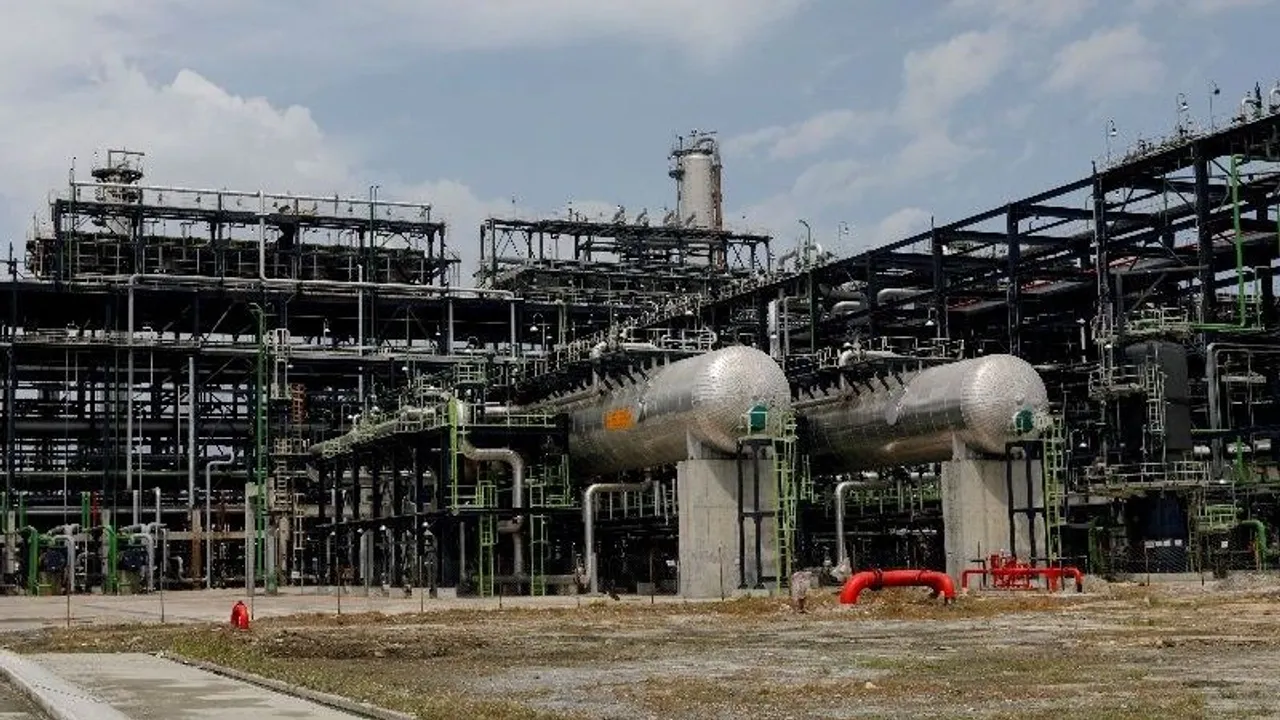
Nigeria is considering changes to crude allocation and pricing rules to improve feedstock access for its refiners, including Dangote Refinery, the local oil refiners' association said.
Dangote has previously said Nigeria's pricing structure adds $3 to $4 per barrel to feedstock costs for refiners because purchases are routed through producers' trading arms. Analysts say the main constraint in domestic crude transactions is pricing rather than physical availability.
The move could help boost operations at Dangote's 650,000 barrel-per-day refinery, Africa's largest, whose output has at times been constrained by difficulties securing sufficient crude supplies domestically.
The Crude Oil Refinery-owners Association of Nigeria (CORAN) said the proposed changes are expected to be discussed this week during a regulator-led review of Nigeria's domestic crude supply obligation, which requires producers to supply local refiners before exporting.
'Win-win'
Under one proposal, a producer linked to an IOC's network could deliver crude directly to a nearby refinery, with volumes reconciled later at the terminal, said CORAN spokesperson Eche Idoko, adding this would reduce reliance on trunk-lines and bring crude closer to refiners.
A second proposal would allow refiners that lift crude directly from production facilities to receive a discount reflecting the freight and handling costs embedded in Brent-linked pricing but not actually incurred by them.
"This could be a win-win for both the producers and refiners," said Idoko.
The Nigerian Upstream Regulatory Commission (NUPRC) released data on Monday showing producer compliance with the domestic crude supply framework rose to over 90% from less than 43% in the previous quarter.
Crude quality differences
The metric tracks actual deliveries against volumes allocated by the regulator, not refinery demand met.
Under the scheme, producers must offer allocated volumes to local refineries, with sales agreed on a "willing-buyer, willing-seller" basis.
A NUPRC official said the ideas "are on the table" largely at the urging of inland refiners, but added that implementation would require addressing crude quality differences and pricing adjustments.





Trump says co-pilot in flydubai incident may have been a 'terrorist' or 'whack-job'
US president, according to Netanyahu, a plumber with no flying experience, took control and levelled the aircraft, but acknowledged he could not independently confirm the account.
US House Democrats push sanctions over illegal Israeli settlements
"Stop the Settlements Act" targets individuals and entities involved in building or expanding Israeli settlements and outposts.
Seven killed, four wounded in gunfire attack on bus in Syria's Homs
Security forces secured and cordoned off the area as a separate gas pipeline explosion was reported near power station in Eastern Ghouta.




All rights reserved. Newstimetr © 2026