Nearly 40% of global population exposed to harmful ozone levels in 2026: EU climate agency
Source:
TRT World


Only 5 percent of global population is exposed to 'good' ozone levels, with Asia, Europe and North America being the most affected regions.
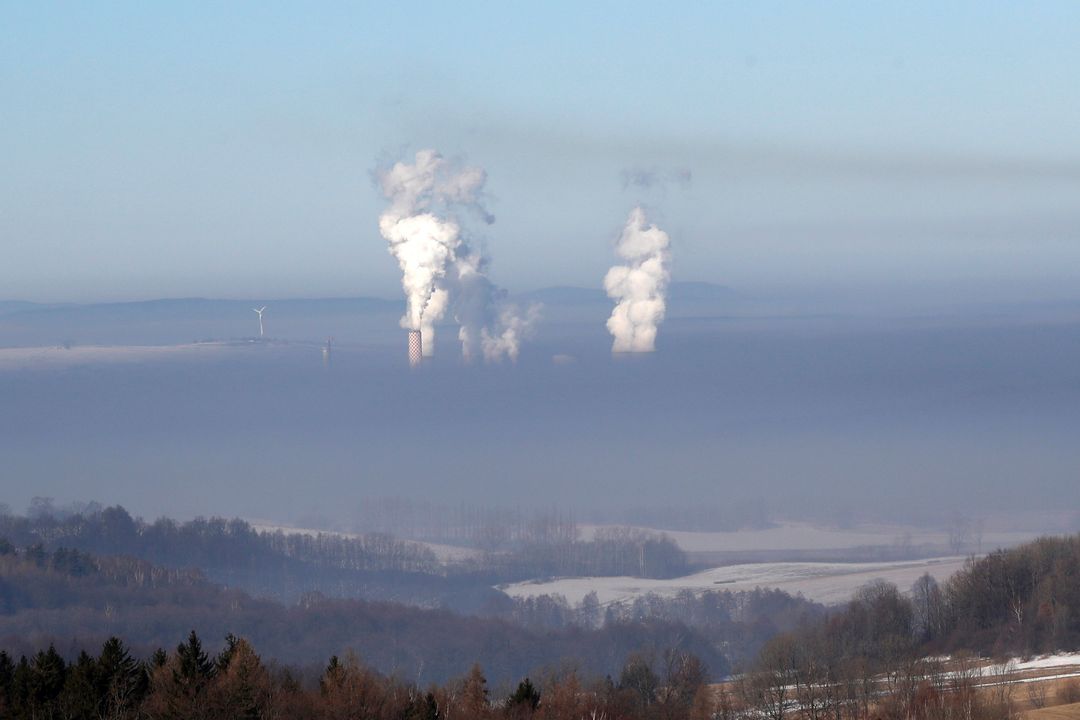
Nearly 40 percent of the world's population has been exposed to harmful levels of ground-level ozone in 2026, according to a new analysis by the Copernicus Atmosphere Monitoring Service (CAMS).The analysis, published on Wednesday, shows how extreme heat and air pollution combined to drive ozone pollution across large parts of the world during the first eight months of the year.According to CAMS, only 5 percent of the global population was exposed to ozone levels classified as "good" under the analysis, while Asia was the world's most affected region, followed by Europe and North America.Some 60 percent of Asia's population was exposed to "extremely poor" ozone levels in 2026, rising to 90 percent when populations exposed to "poor" and "very poor" levels were included.In Europe, 50 percent of the population experienced "poor," "very poor" or "extremely poor" ozone exposure, with repeated heat waves between June and August contributing to elevated ozone concentrations.‘Ozone-climate penalty’In North America, more than two-thirds of the population experienced "poor," "very poor" or "extremely poor" ozone exposure, with emissions from major wildfires contributing to elevated ozone concentrations.CAMS said Oceania remained the region with the lowest ozone exposure, with its entire population experiencing "good" or "fair" ozone levels.In South America, 81 percent of the population experienced "good" or "fair" ozone exposure, while the figure for Africa was 56 percent.The analysis also highlighted the increasing importance of transboundary air pollution, with wildfire smoke, desert dust and other pollutants travelling thousands of kilometres across national borders and oceans.CAMS said the findings underline the relationship between climate change and air quality.Ozone itself is a greenhouse gas, while higher temperatures can create conditions that favour ozone formation, creating what scientists describe as an "ozone-climate penalty.""Air pollution does not respect national borders," Laurence Rouil, director of CAMS, said. "Wildfire smoke, ozone and dust can travel thousands of kilometres, affecting communities far from their source."Rouil said the findings highlight the need for global action on air quality alongside climate measures.







Dangote aims to list fertiliser company in 2027
Nigerian businessman Aliko Dangote said on Tuesday he hopes to list his group's fertiliser company Dangote Fertiliser Limited in 2027.
US forces exit remaining bases in Iraq, ending two-decade military presence
Trump administration is overseeing the withdrawal, carrying forward a plan negotiated by the previous administration for departure of US troops from Iraq.
Who really profits from shea? Ghana's workers are changing the answer
As the world's top shea exporter moves to capture more value at home, its workers are demanding—and winning—a fairer share of the wealth they create.





All rights reserved. Newstimetr © 2026