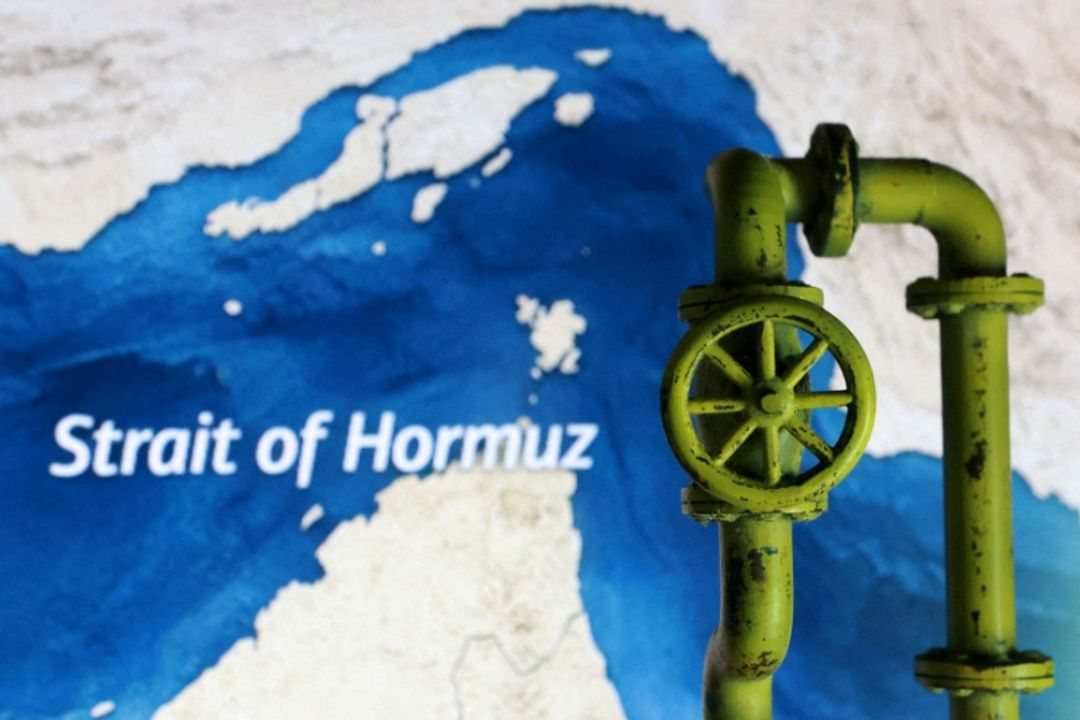
Disruptions to oil shipments through the Strait of Hormuz are exhausting global supply buffers, pushing consumers to bear the cost of rising prices and shortages.
The International Energy Agency (IEA) has warned that the Middle East conflict has created the “largest threat” to global energy security in history, as disruptions to oil supplies increasingly hit consumers.
In its flagship annual World Energy Outlook, released on Thursday, the agency said governments and energy producers were running out of ways to shield households from the impact of the crisis, with higher prices and supply shortages becoming increasingly difficult to contain.
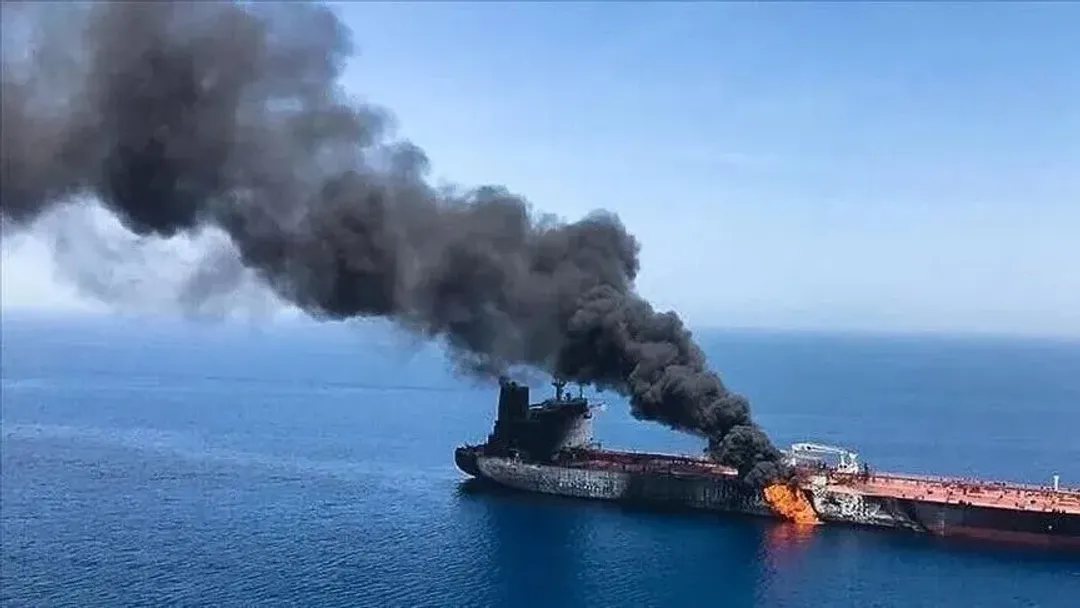
The conflict, triggered in February by US and Israeli strikes on Iran, has severely disrupted exports from Gulf countries after Tehran began blocking the Strait of Hormuz and targeting tankers in the area.
Strait of Hormuz disruption deepens global crisis
The strategic waterway carried around one-fifth of global oil shipments before the crisis. Despite US efforts to escort vessels through the strait, supply routes remain severely disrupted.
“The Strait of Hormuz crisis has created the largest threat to energy security in history, one that dwarfs the scale of the oil shocks of the 1970s,” IEA Executive Director Fatih Birol wrote in the report's foreword.
Birol said producing countries had brought additional supplies to market and sought alternative export routes, while China had reduced its purchases from international markets.
However, governments' efforts to protect consumers have not prevented higher prices and, in some cases, supply shortfalls.
The report said consumers were increasingly being left to absorb the impact as other measures to cushion the shock were depleted.
IEA sees no return to pre-crisis energy landscape
The report comes as countries gather in Türkiye for COP31 climate talks, amid mounting pressure to address the climate crisis following extreme weather events around the world.
Under its central scenario, which considers announced government policies, the IEA expects global oil demand to peak around 2030 before gradually declining, while natural gas demand is projected to continue rising until around 2035.
The agency has also introduced two additional scenarios examining the potential consequences of a prolonged Middle East crisis.
“The longer the crisis lasts, the deeper the effects will be,” Birol said, adding that he saw “no credible pathway” for the global energy system to return to its pre-crisis condition.
The IEA warned that, like previous energy shocks, the current crisis would leave lasting consequences for energy markets and the global economy.
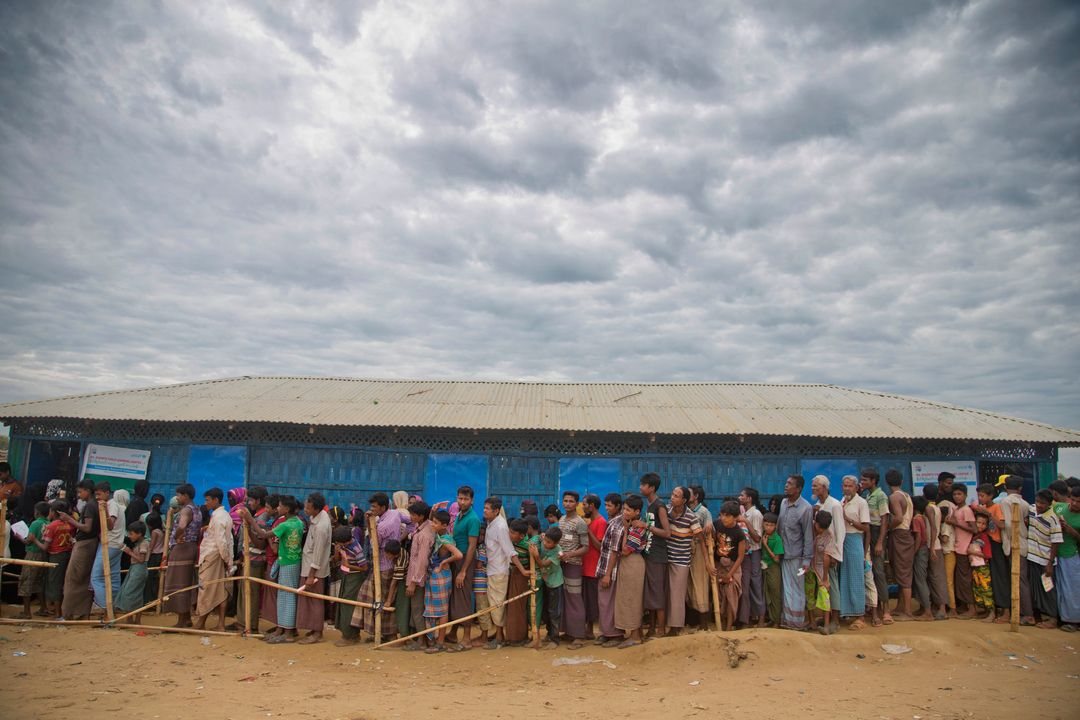
The Gambia's genocide case seeks accountability for the 2017 military crackdown that drove hundreds of thousands of Rohingya from their homes and left survivors demanding justice.