The committee seeks to adopt a technically and politically acceptable electoral framework for presidential and parliamentary elections.
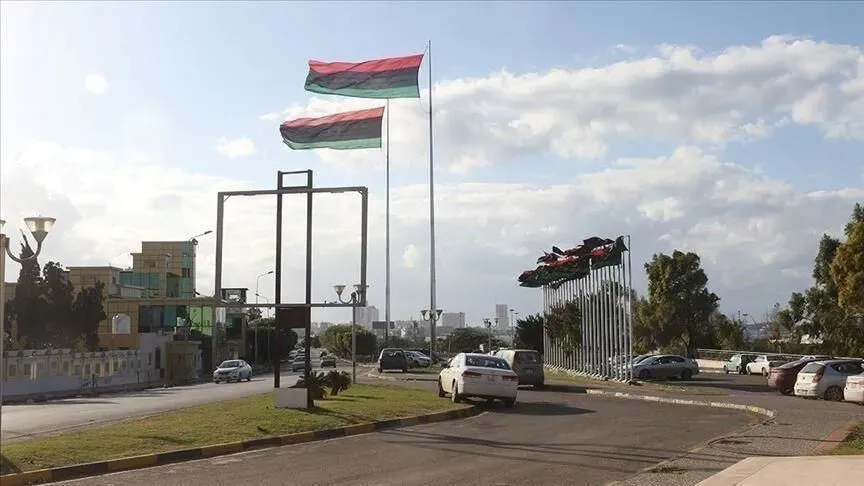
Members of Libya's 4+4 Small Dialogue Committee reached an agreement Wednesday on a mechanism to appoint a new head of the High National Elections Commission (HNEC) after the implementation of a previously agreed process stalled.
The agreement was reached during the committee's seventh meeting in the Tunisian capital Tunis, according to a statement by the UN Support Mission in Libya (UNSMIL).
The committee has been holding consultations for months after UN Special Representative Hanna Tetteh told the UN Security Council on April 22 that she had engaged a small group of Libyan stakeholders to identify ways to pave the way for implementing the first two phases of the UN roadmap.
The roadmap, announced on Aug. 21, 2025, is built on three pillars: adopting a technically sound and politically acceptable electoral framework for presidential and parliamentary elections, unifying state institutions through the formation of a new unified government, and launching a structured national dialogue.
Draft agreements
UNSMIL said participants in Wednesday's meeting, which was chaired by Tetteh, agreed on a mechanism for appointing the president of the High National Elections Commission.
“They also continued consultations on the remaining provisions in the draft final agreement, with all parties agreeing to continue these consultations next week in Tunis,” the statement added.
During their first meeting in Rome on April 29, members of the 4+4 committee agreed to reconstitute the board of the High National Elections Commission and recommended that Attorney General Al-Siddiq Al-Sour nominate a new commission chair from among senior judges known for their competence and impartiality.
However, the committee later announced during its sixth meeting in Tunis on July 14 that implementation of that agreement had stalled.
The latest agreement is part of UN-led efforts to create conditions for elections aimed at ending Libya's political division.


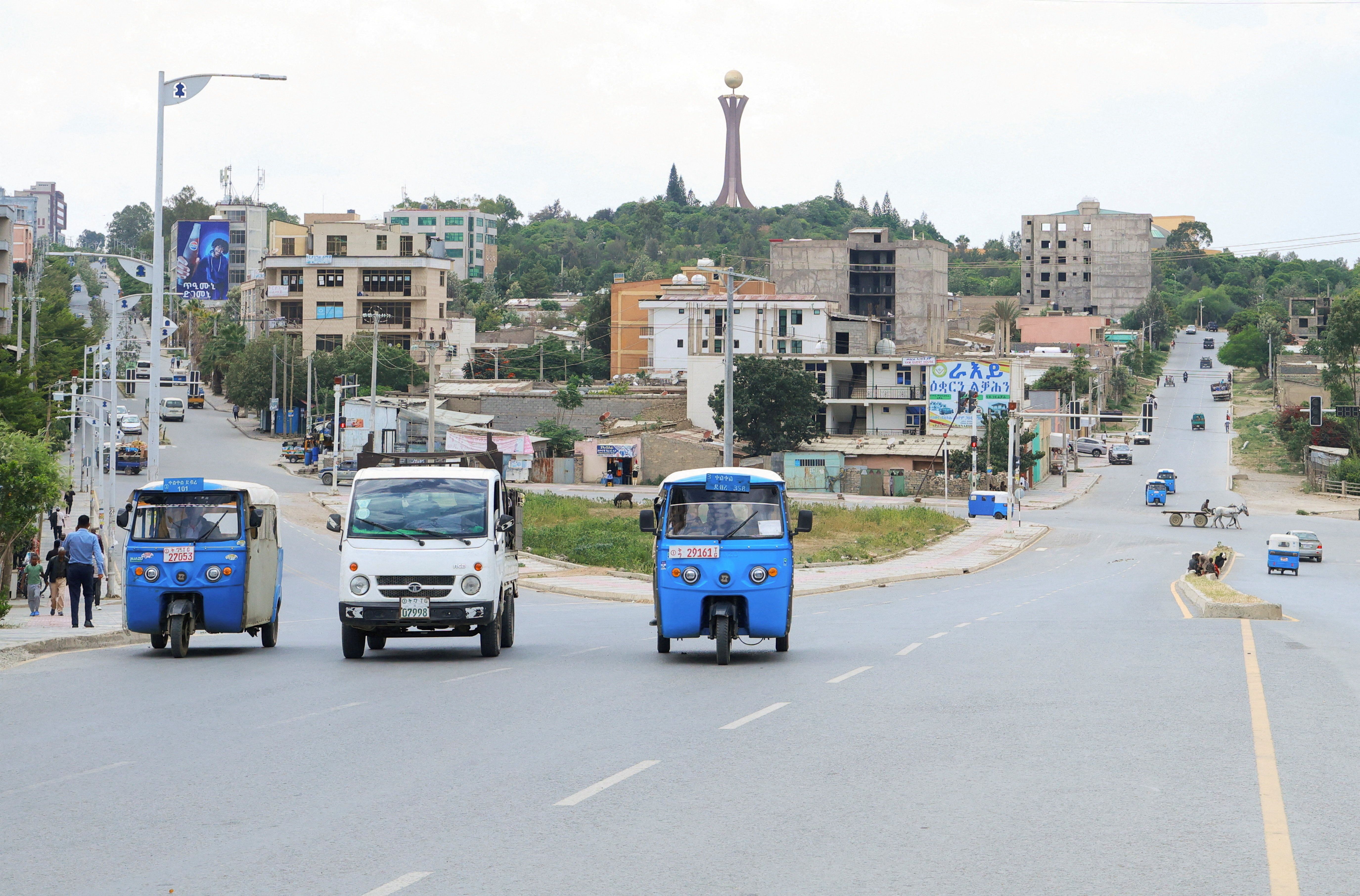
Ethiopia's army says it has foiled attacks by Tigray rebels
The army said it inflicted heavy personnel and equipment losses on the TPLF rebels.
The cost of UNGA: Who pays and who profits?
Member states make mandatory annual contributions based on capacity to pay, factoring in gross national income, external debt burden and per-capita income.
Sudan rejects US remarks questioning government legitimacy amid Burhan visa dispute
Khartoum urges Washington to respect Sudan’s sovereignty as activists and journalists criticise the reported linking of Transitional Sovereignty Council Chairman Abdel Fattah al-Burhan’s UN visa to a proposed 90-day truce.