The government has not named who it thinks is responsible, but the information minister said restoration of the website was underway
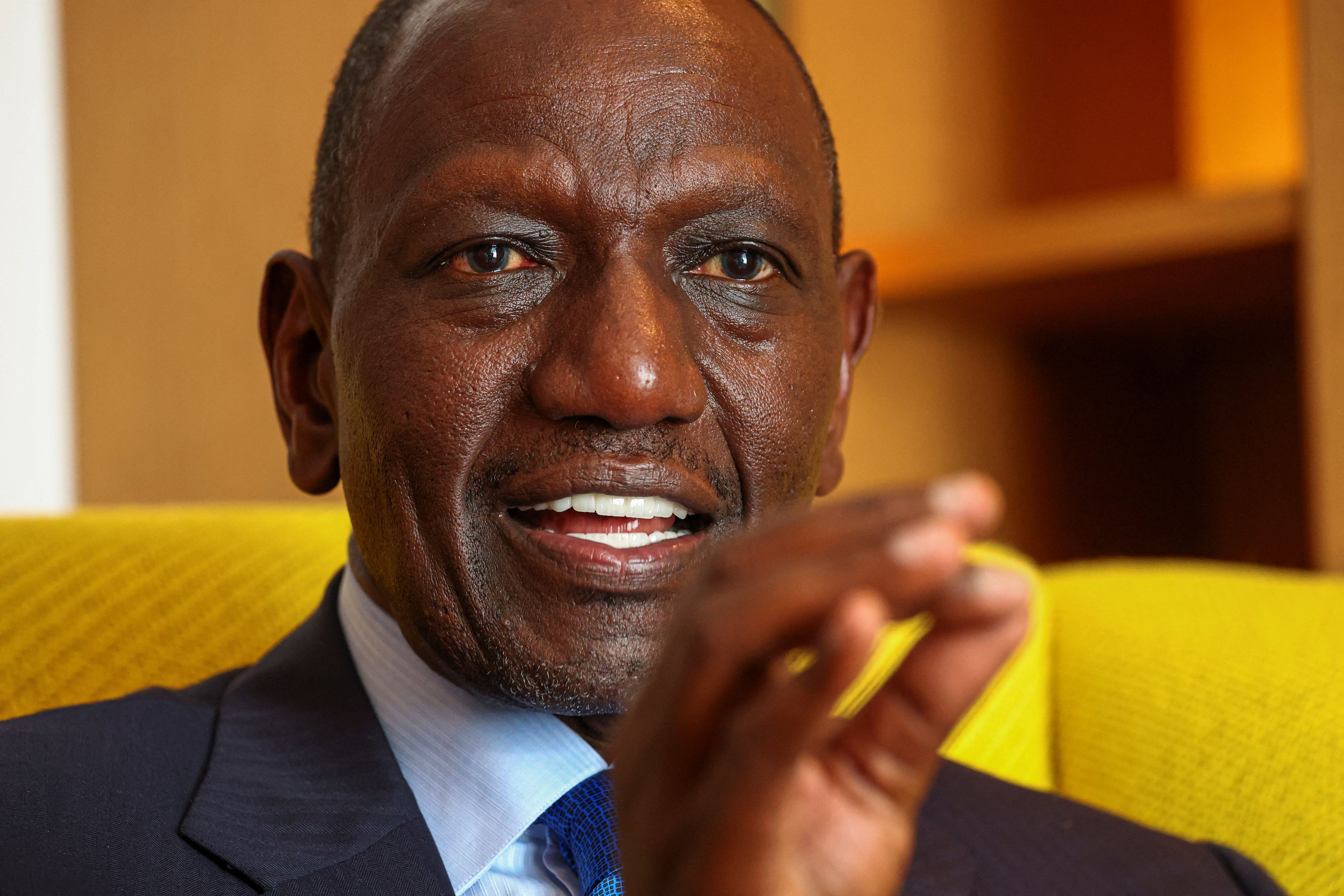
The official website of Kenya's President William Ruto was hacked and remained inaccessible for the better part of Saturday morning, before the authorities moved in to restrict access
The government has not named who it thinks is responsible, but Information Minister William Kabogo said there was no evidence of unauthorised access to sensitive data or loss of information.
“As a precautionary measure, access to the presidential website was temporarily restricted to facilitate containment, forensic analysis and restoration efforts,” Kabogo said in a statement.
The minister said restoration of the website, president.go.ke, was underway.
"Government systems and digital services remain secure and operational," he added.
Reports of ransom
Kenyan local media outlets report that the cyber-attackers had demanded a ransom paid in Bitcoin, and threatened to release sensitive government information if a Saturday 6pm local time (15:00 GMT) deadline was not met.
The minister did not address the claims, but said government agencies were conducting a "comprehensive forensic investigation" in order to "establish the full circumstances surrounding the incident".
Moments after the attack, the website’s homepage was defaced with derogatory messages aimed at President Ruto, local media outlets report.
Previous attacks
This is not the first time that websites of the Kenyan government have suffered cyberattacks.
Last year official websites across multiple ministries and state agencies were targeted in a coordinated cyber-attack.
The attack targeted some of the country’s most essential government services, hitting the ministries of Health, Education, Labour, Environment, ICT, Tourism, Energy, Water, and Interior.
In July 2023, the government reported that its digital platform e-Citizen, responsible for government services and housing citizens' sensitive personal data, suffered a cyberattack.


Ethiopia's army says it has foiled attacks by Tigray rebels
The army said it inflicted heavy personnel and equipment losses on the TPLF rebels.
The cost of UNGA: Who pays and who profits?
Member states make mandatory annual contributions based on capacity to pay, factoring in gross national income, external debt burden and per-capita income.
Sudan rejects US remarks questioning government legitimacy amid Burhan visa dispute
Khartoum urges Washington to respect Sudan’s sovereignty as activists and journalists criticise the reported linking of Transitional Sovereignty Council Chairman Abdel Fattah al-Burhan’s UN visa to a proposed 90-day truce.