
The High Court ruled that the community had failed to show that marijuana was a necessary part of their worship.
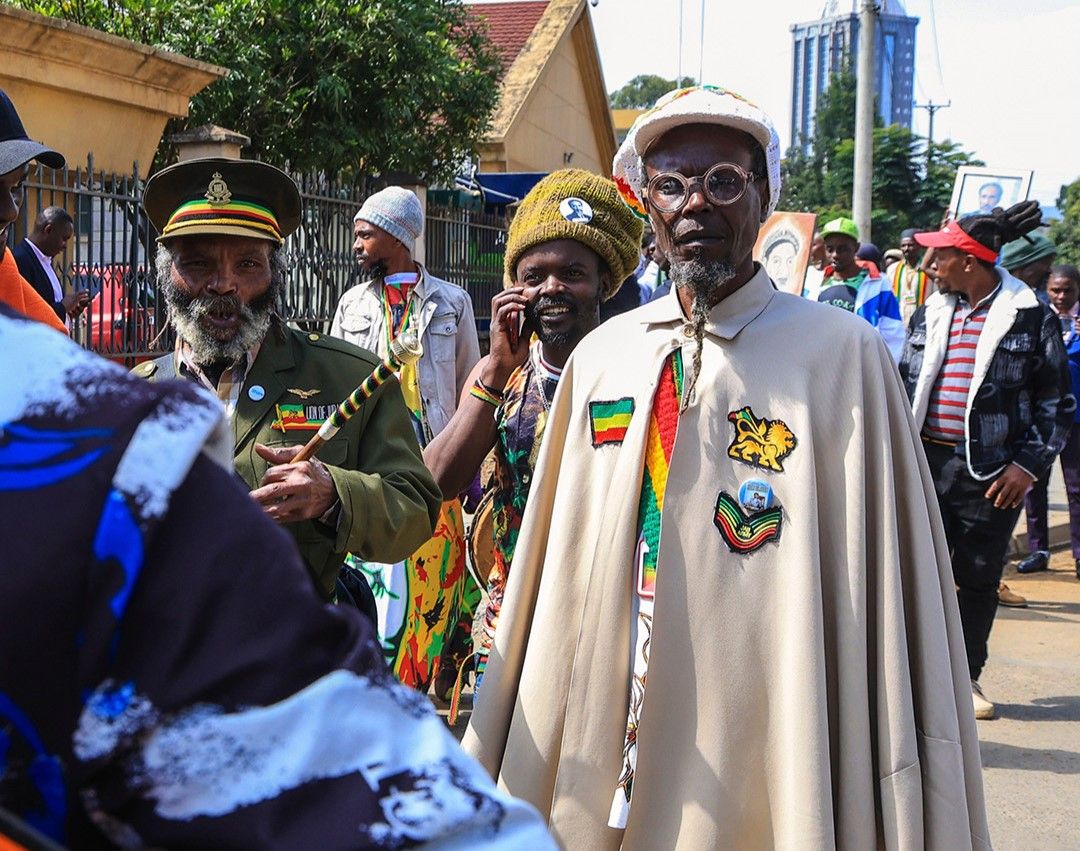
A Kenyan court refused to grant Rastafarians the right to smoke marijuana on religious grounds in a long-awaited ruling on Wednesday, which some members of the community saw as an attack on "African spirituality".
Rastafarians, who often use marijuana as part of their religious meditation, have been pushing Kenyan courts since 2021 to allow them to use marijuana under the constitutional right to freedom of religion.
But the High Court ruled the community had failed to show that marijuana was a necessary part of their practice, and so did not give them the right to bypass the country's drug laws, under which possession is punishable by up to 10 years' imprisonment and a substantial fine.
While all witnesses "agreed that cannabis is used as a sacrament, they could not agree on whether its use is essential or merely preferred," the judge said in his ruling.
One of the petitioners, Ras Dimo, 40, told AFP the judgement reflected "the laws of oppression, colonial laws that want to put African spirituality down".
Appeal the decision
The community's lawyer said they would appeal the decision.
Despite ruling against the community, the judge said the widespread recreational use of cannabis in Kenya suggested the current law was too harsh.
"It is beyond dispute that use of cannabis in this country has become ubiquitous and has arguably been so for many decades," he said, even quoting from Peter Tosh's seminal reggae song, "Legalize It", including the lyrics: "judges smoke it, even lawyers do".
The "status quo appears untenable", the judge said, and there should be "a full and frank conversation on cannabis and which direction we should take".
The community has a special bond to Kenyan history because of their tradition of wearing dreadlocks. They were also worn by many Mau Mau, Kenya's independence fighters who fought against British colonial rule in the 1950s and 1960s.


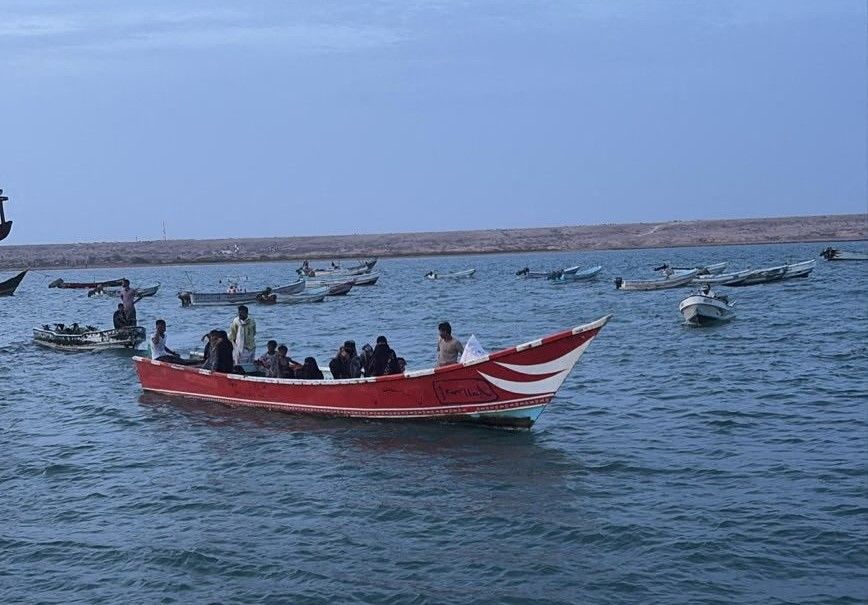
Yemen fighting pushes nearly 3,000 to Djibouti in less than a week: UN
More than half of arrivals are women and children as the UN refugee agency warns reception capacity in Djibouti is rapidly diminishing.
US deportees struggle to rebuild lives in unfamiliar Cameroon
The Trump administration has defended the policy, arguing US law does not prevent their deportation to third countries.