Gold crashes: What does it mean for African producing countries?
Editor:
Halimatou HAMADOU DJIBO


A fall of more than a quarter since late February could hit producers' finances, translating to less export revenue, less royalty income and less foreign exchange.
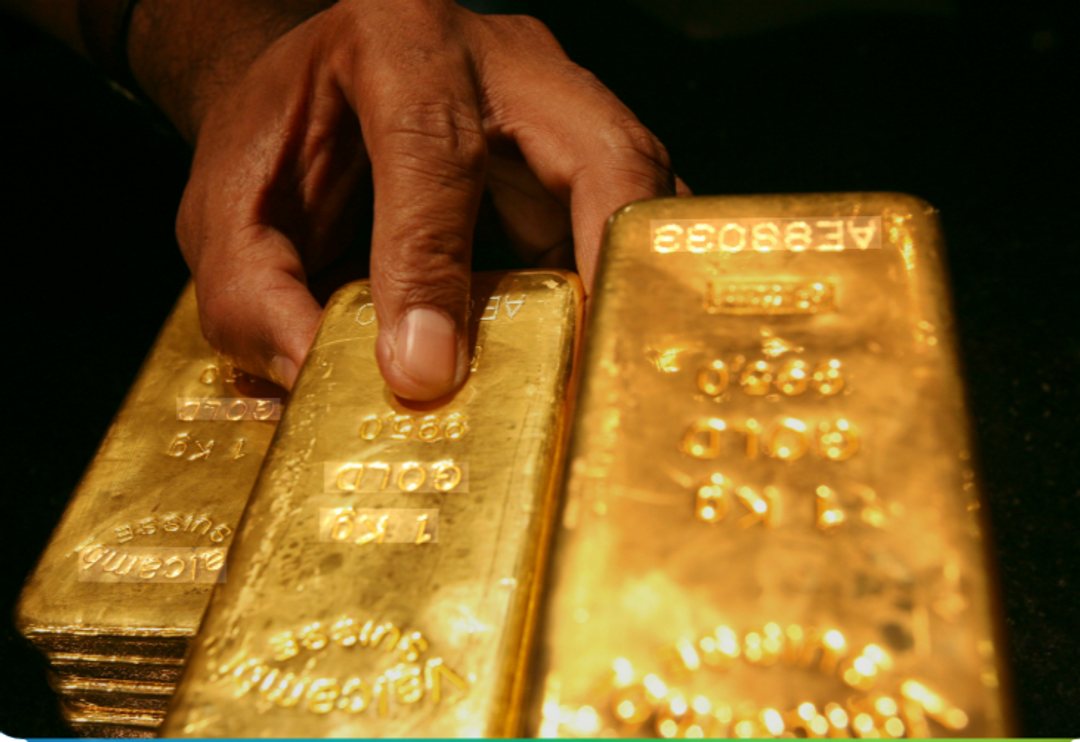
Gold has fallen off a cliff. For Africa, that matters a lot. On 18 November, gold slipped below $3,800 an ounce for the first time in a year, to $3,792.
For producers like Ghana, South Africa, Mali, Burkina Faso, Guinea, Tanzania and Sudan, this is not a trading screen number. Gold is central to how they earn dollars, fund budgets and defend currencies.
In Mali and Burkina Faso, it is the biggest export. Ghana now earns more from gold than cocoa.
In September, Burkina Faso launched a gold refinery to curb raw exports and boost value addition. A month later, Guinea did the same. That’s a long-term goal.
Overall, a fall of more than a quarter since late February could hit producers' finances. Less export revenue, less royalty income and less foreign exchange.
But the crash does not mean gold has collapsed. At $3,792 per ounce, it is still historically very expensive.
Three years ago it was $1,800 to $2,000. Most big mines can still make money. What has disappeared is the euphoric peak of early 2026. In January, gold soared on central banks' buying, fear and looser money.
US-Israel strikes
On 29 January it hit a record high of about $5,600. February averaged $5,020, the highest month ever.
The US-Israel strikes on Iran in late February also made gold volatile.
They first pushed gold up as people rushed to safe-haven assets, but later pushed oil up, worsening inflation and prompting central banks to tighten instead of cut. And tightening is gold's worst enemy. Gold pays no interest. When US yields top 5% and the dollar surges, investors sell gold for dollars and bonds.
This week, St. Louis Fed President Alberto Musalem said the US would need several more hikes before spring, with markets predicting a chance of a hike in December.
The dollar is near its highest since April 2025.
For African producers, the result is tighter budgets, weaker currencies, delayed projects and pressure on high-cost mines and jobs. If gold stays below $4,000, the squeeze will deepen.
Central banks are buying, and jewellery demand remains high, while the metal is also used in electronics, dentistry, medicine and aerospace. This means it could rebound.
But for now, the $5,000 era is gone, and the producers who enjoyed the boom most could feel the comedown first.
TRT Afrika / Staff Reporter — TRT Afrika
Photo: reuters








'The 2026 zeitgeist' — Cambridge Dictionary chooses 'human' as word of the year amid AI fears
In an era of rapidly expanding Artificial Intelligence and dire warnings it could even wipe out humanity, the word "human" captured "the 2026 zeitgeist", says Cambridge University Press board member Francesca Woodward.
Australia sanctions Israeli settlers, organisations over occupied West Bank illegal settlements
Foreign Minister Penny Wong stresses that Israeli violence in occupied West Bank and illegal E1 project undermine the prospect of a two-state solution.
Israel kills six Palestinians, including child, as drones drop explosives on Gaza homes
Israeli occupation forces use quadcopter drones to drop explosives on Palestinian homes, continuing ceasefire violations across the besieged enclave that have already killed thousands of people.




All rights reserved. Newstimetr © 2026