Gambia’s case: ICJ rules Myanmar committed genocide against Rohingya
Editor:
Halimatou HAMADOU DJIBO


The ICJ found that Myanmar's military acted with intent to destroy a substantial part of the Muslim Rohingya population, citing mass killings, widespread sexual violence and extreme violence against children.
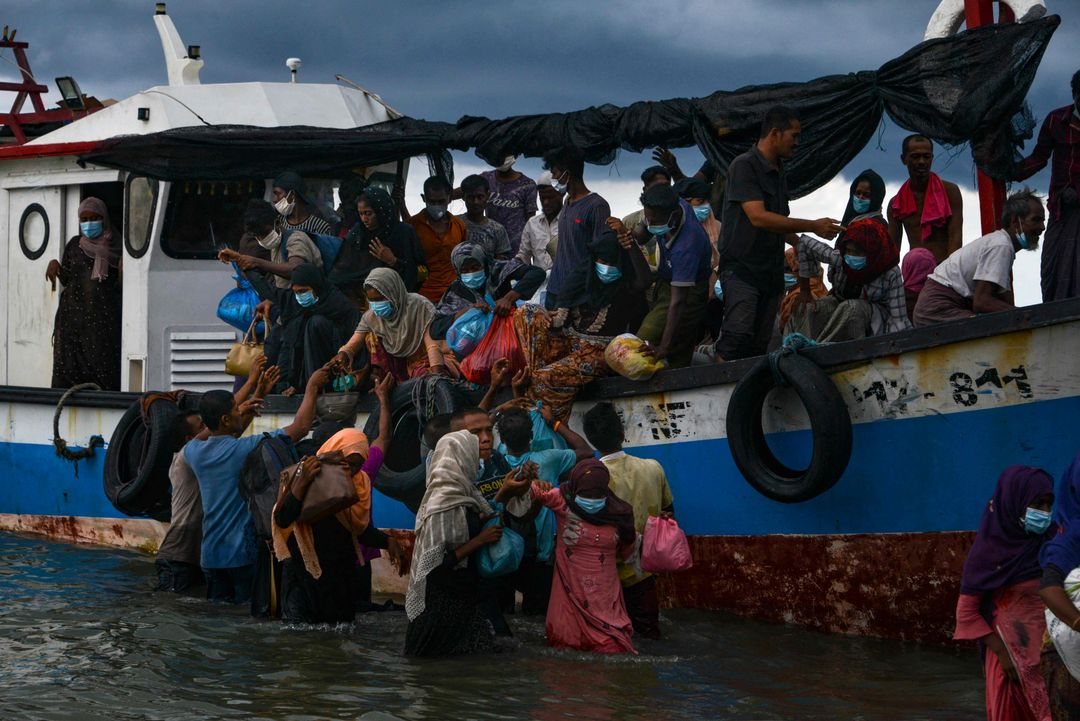
Myanmar's actions against the Rohingya in 2017 amounted to genocide, the International Court of Justice ruled on Thursday, finding that the military acted with the intent to destroy a substantial part of the Muslim minority.
The court cited mass killings, widespread sexual violence and extreme violence against children as it delivered its landmark ruling.
The decision, seven years after the case was filed by The Gambia, a predominantly Muslim country, marked only the fourth time since the Nazi Holocaust that an international court ruled that the legal threshold to prove genocide had been met.
"The court finds that Myanmar's security forces killed thousands of Rohingya civilians, perpetrated widespread acts of sexual violence as well as acts of extreme violence against children and attacked fleeing Rohingya as they sought to flee in large numbers to Bangladesh," presiding Judge Yuji Iwasawa said.
Genocide has rarely been established in international courts, largely because prosecutors must prove that there was a specific intent to destroy, in whole or in part, a national, ethnic, racial or religious group.
Myanmar's soldiers killed and raped Rohingya, committed violence against children, and destroyed Rohingya villages and settlements, the top UN court said.
'Justice'
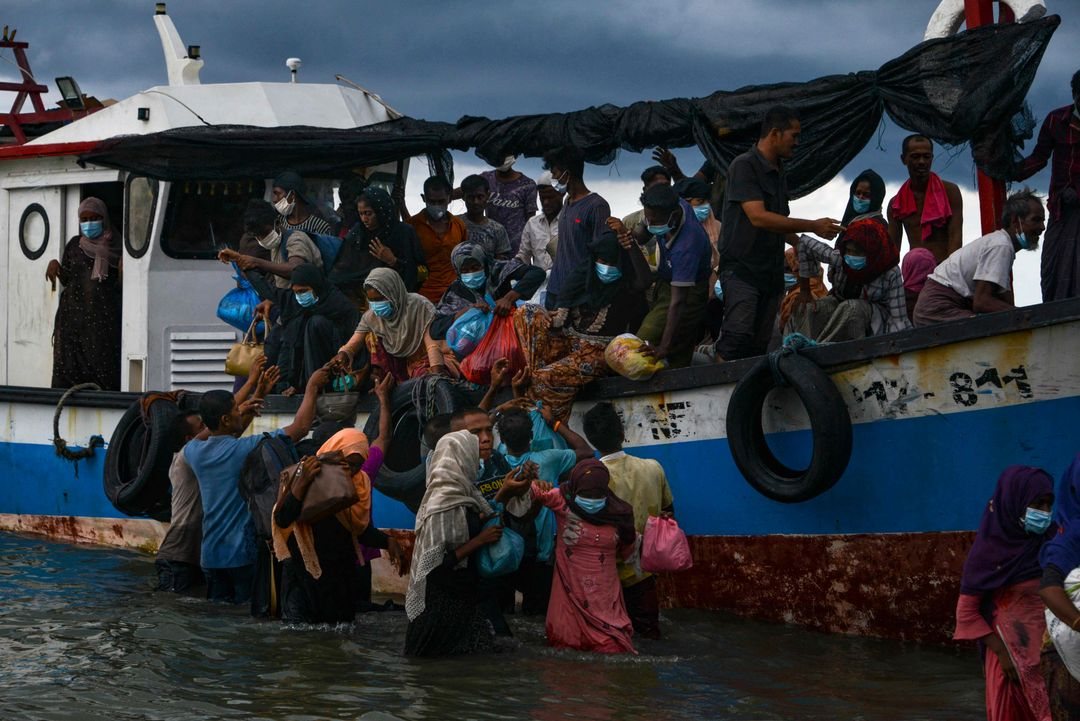
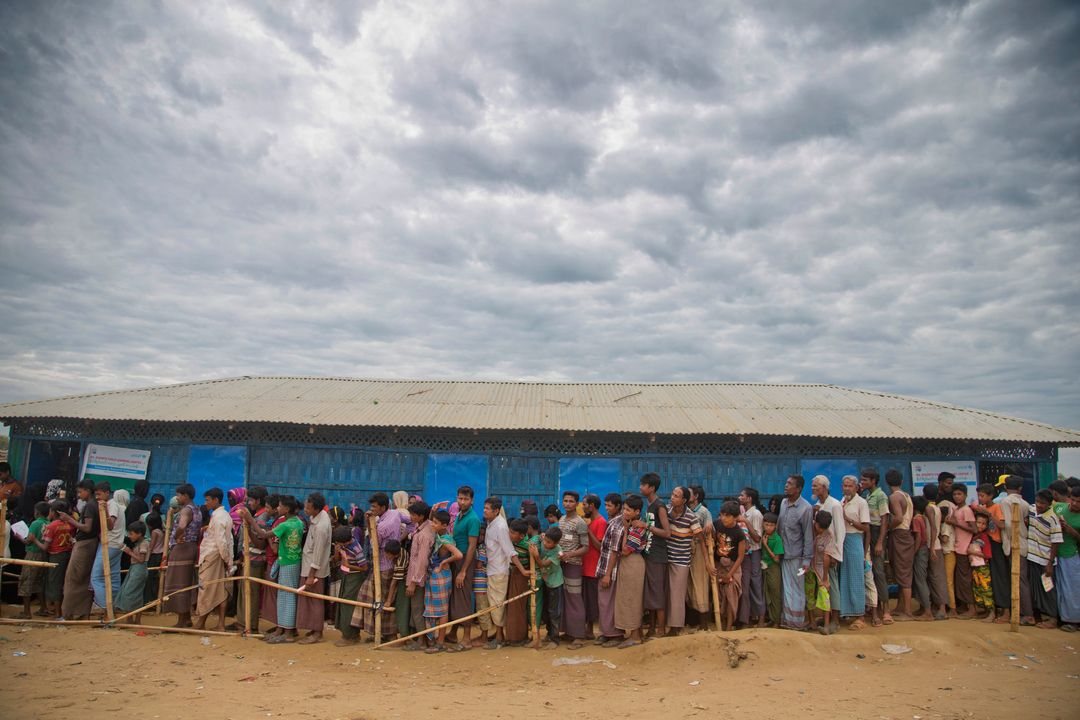
For the more than one million Rohingya now living in the world's largest refugee camp over the border in Bangladesh, the historic ruling offers a glimmer of hope for accountability.
"I want justice," a 23-year-old Rohingya rape survivor said in the cramped shelter where she lives with her family.
"There should be stringent punishment for those who raped women. The ICJ should say something separately about this," she said, requesting anonymity.
Survivors of the violence brought with them harrowing tales of gang rapes, mass executions, and cruelty towards families and children.
Far from the squalor of the refugee camps, the panel of 15 judges has been weighing for seven years whether Myanmar's actions constitute genocide.
The case has been brought by The Gambia under the 1948 UN Genocide Convention, which allows any state to bring a case against another it suspects of breaching the international agreement set up after World War II.
While the ICJ has no way of enforcing its decisions, a ruling that Myanmar committed genocide would heap more international pressure on its leader Min Aung Hlaing.
He commanded the military during the Rohingya genocide before ousting the government of Aung San Suu Kyi in a 2021 coup.
TRT Afrika and agencies, TRT World — TRT Afrika and agencies, TRT World
Photo: AFP (Wire)





Trump says US and China spy on each other, claims Washington has upper hand
US President Donald Trump acknowledges that Washington and Beijing spy on each other, claiming US intelligence operations are more effective while questioning whether it makes sense to ask China to stop
Kenyan world marathon champion Jepchirchir gets 3-year doping ban
The AIU confirmed she had been given a full ban for three years from October 20.
Dutch arms maker's employees helped Ukraine launch drone attacks on Russia: report
An investigation raises questions over the role of the Dutch company's personnel in the war, with international law experts warning that the reported activities could constitute direct participation in hostilities.




All rights reserved. Newstimetr © 2026