Experts Advise Travellers to Prepare for EU Entry/Exit System to Avoid Extra Costs and Missed Flights
Editor:
Tuğçe Nur Kaya


UK travellers are being urged to prepare for the EU's new Entry/Exit System (EES), as longer border checks have caused delays and missed flights at some airports. Experts recommend arriving at the correct time, signing up for travel alerts, and under
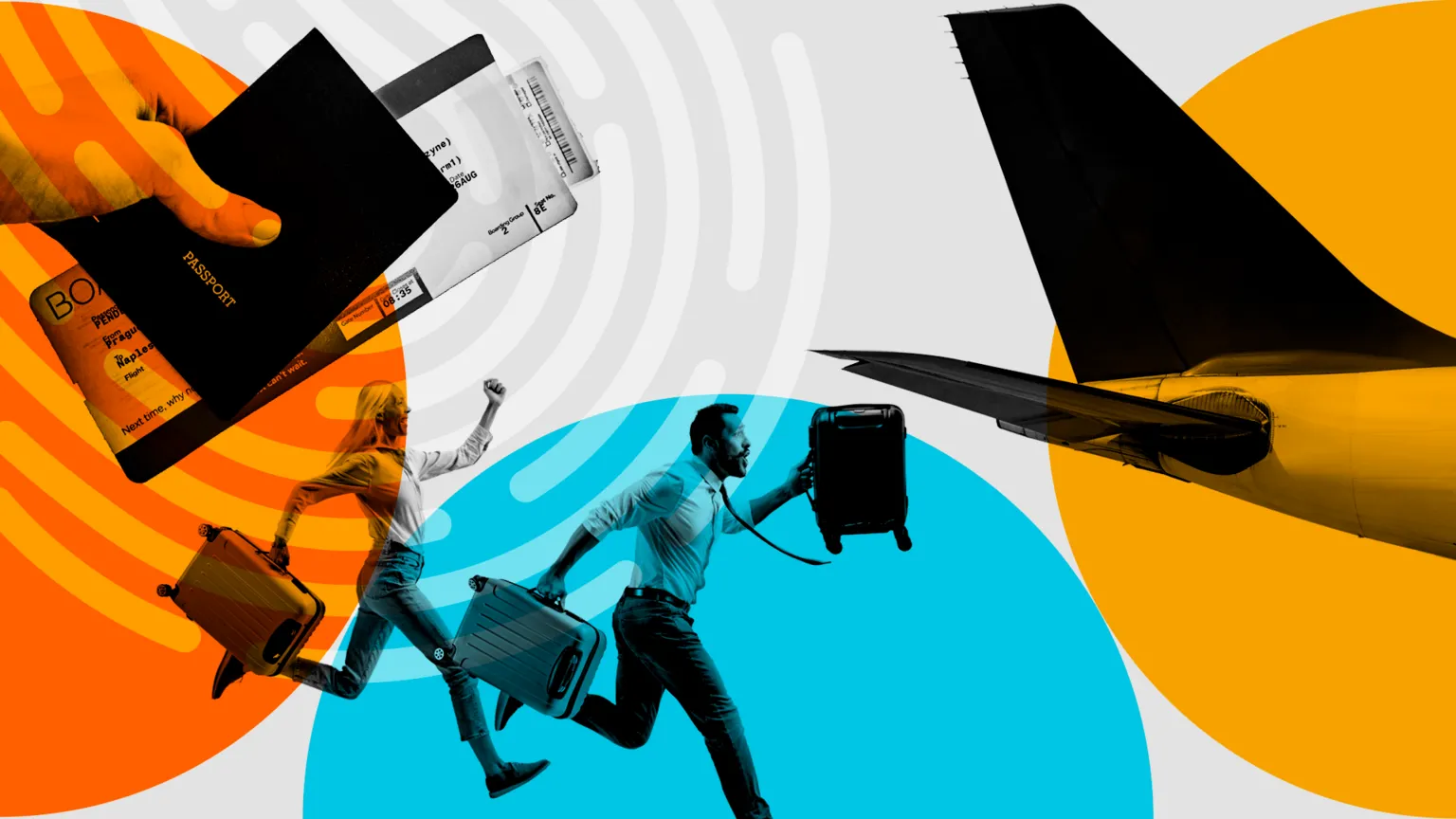
People travelling to Europe this summer are being advised to plan their journeys carefully as the European Union's new Entry/Exit System (EES) begins changing the way non-EU visitors pass through border controls.
Under the new system, British passport holders and other eligible non-EU travellers must register their fingerprints and have a facial photograph taken when entering or leaving the Schengen Area for the first time. The registration process is designed to strengthen border security and replace manual passport stamping with a digital record of every traveller's entry and exit.
Although the new technology is intended to improve border management over the long term, its introduction has led to longer waiting times at several airports and border crossings. Technical issues experienced during the rollout have added to delays, with some passengers spending well over an hour in immigration queues. In several cases, travellers have missed their flights and have been forced to purchase new tickets at their own expense.
Travel experts have identified three important steps that can help passengers avoid unnecessary costs and disruption.
The first recommendation is to arrive at the airport with sufficient time before departure. Wizz Air's UK management has advised passengers to be at European airports around three hours before their return flights, while other airlines, including Jet2 and Ryanair, have issued similar guidance depending on the airport. However, Eurostar has told passengers to follow the arrival time printed on their tickets because its schedules already account for the new border procedures. At the Port of Dover, where technical difficulties have delayed the implementation of EES, ferry passengers are being advised not to arrive more than two hours before departure to avoid creating unnecessary congestion.
Experts also recommend signing up for airline notifications. Most airlines provide real-time updates through their mobile applications, text messages and email alerts, informing passengers about current waiting times, delays and operational changes. The UK's Civil Aviation Authority says travellers should check directly with their airline before leaving for the airport to ensure they have enough time to complete security and border formalities while avoiding unnecessary waiting.
Passengers are also being urged to carefully review the terms of their airline tickets and travel insurance policies before travelling. According to the Association of British Insurers, travel insurance generally does not cover losses caused by expected border procedures such as EES registration. Airlines are also not legally required to provide free replacement flights if passengers miss departures because they were delayed in immigration queues.
One example is Anne Robinson and her 13-year-old son Jack, who missed their flight home from Rome after spending around 90 minutes waiting in an immigration queue. The pair were forced to buy replacement tickets costing £250 for a flight two days later, and they were unable to recover the money through their travel insurance.
Travel insurance specialists say only a small number of policies may provide compensation under "missed departure" or "travel delay" cover, but immigration and border queues are rarely included among the insured reasons for compensation. As a result, travellers are being reminded that allowing extra time for the new checks is ultimately their own responsibility.
With millions expected to travel across Europe during the busy summer season, authorities and airlines continue encouraging passengers to prepare in advance, monitor travel updates and allow enough time to complete the new border procedures safely.






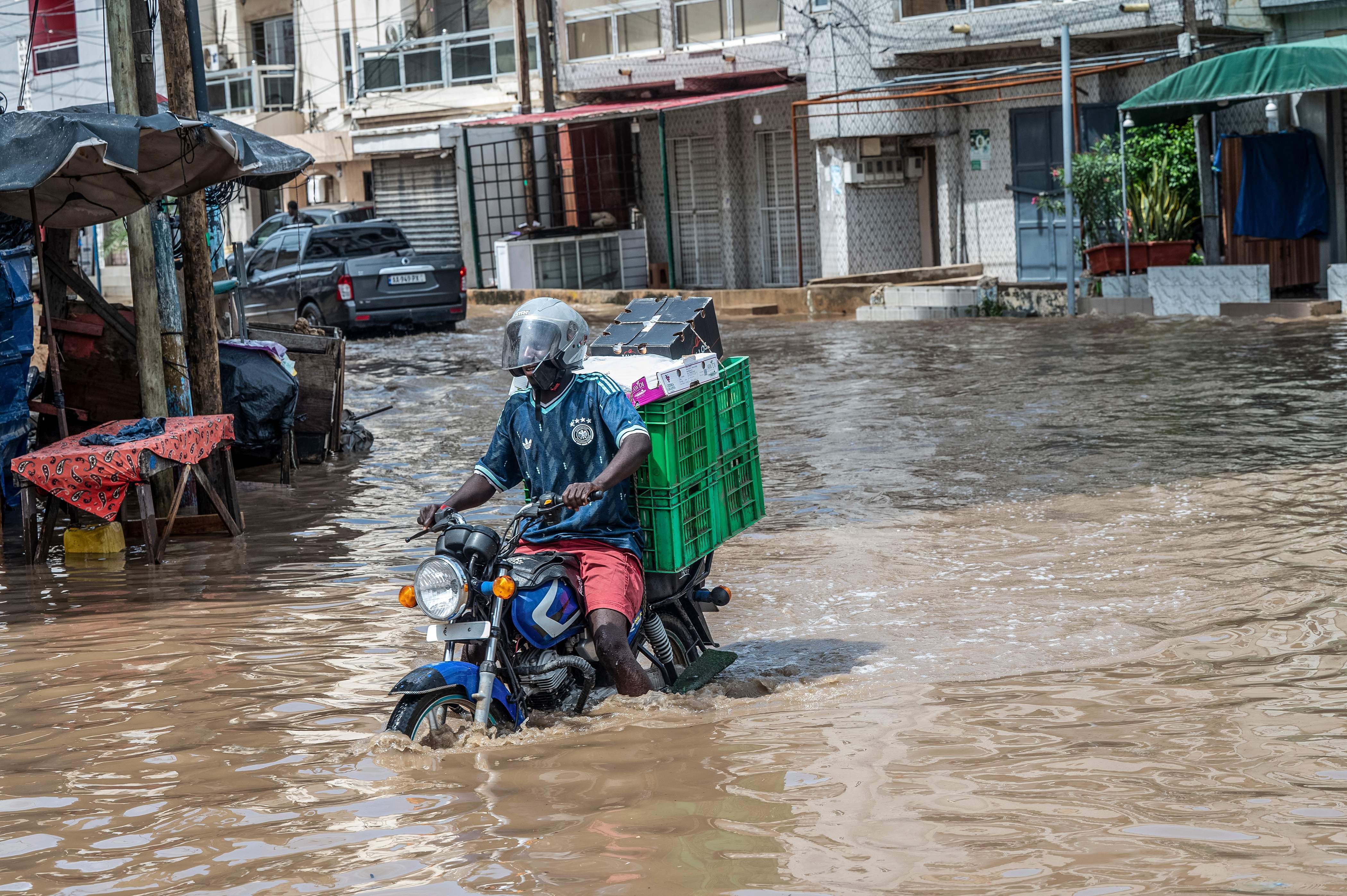
Senegal flooding: Heavy rains kill several, destroy structures
Prime Minister Ahmadou Al Aminou Lo said the start of the school year could be postponed with more rain expected in the coming days.
Yemeni forces recapture key Red Sea port of Mokha from Houthis
The government-aligned forces seized the strategic western city after fierce clashes, with air support helping them regain control of positions around the port.
'All weapons on the table to protect Kaliningrad': Why the Baltic exclave matters so much to Russia
Kaliningrad gives Moscow access to the open sea in northern Europe, which is crucial not only to the regional balance of power but also to the war in Ukraine.



All rights reserved. Newstimetr © 2026