EU opens probe into nine video game companies over virtual currencies
Source:
TRT World


Consumer authorities are examining whether virtual currency systems breach users’ rights, including rules on pricing, purchases and refunds.

European consumer authorities are investigating nine video game companies, including French publisher Ubisoft, over concerns that their in-game virtual currencies may violate consumers’ rights.The European Commission said on Wednesday that the Consumer Protection Cooperation Network, which brings together authorities from the EU’s 27 member states, is coordinating the investigations.The network began talks with the companies last year, but the EU executive said the discussions “did not bring satisfactory results”.
Authorities subsequently identified several games for further scrutiny, includingCandy Crush Saga,MinecraftandClash of Clans.Besides Ubisoft, the companies include Mojang, which makesMinecraft, Riot Games and Supercell, the developer ofClash of Clans.
Authorities are separately examining Activision Blizzard’s mobile gamesDiablo ImmortalandCall of Duty.The investigation will examine whether games comply with EU guidelines requiring companies to show the real-world price of in-game items and currencies and provide clear information before purchases.EU is expected to introduce a Digital Fairness ActPlayers must not be pressured into unwanted transactions and should be informed that they can withdraw from contracts within 14 days, including for unused virtual currency, the EU said.EU consumer protection chief Michael McGrath said the industry must ensure games do not expose players, particularly children, to “harmful or unfair practices”.European consumer organisation BEUC welcomed the investigation, calling it an important step towards protecting consumers from practices that encourage excessive spending.The EU has also stepped up efforts to protect children online and is expected to introduce a Digital Fairness Act covering areas including video games.



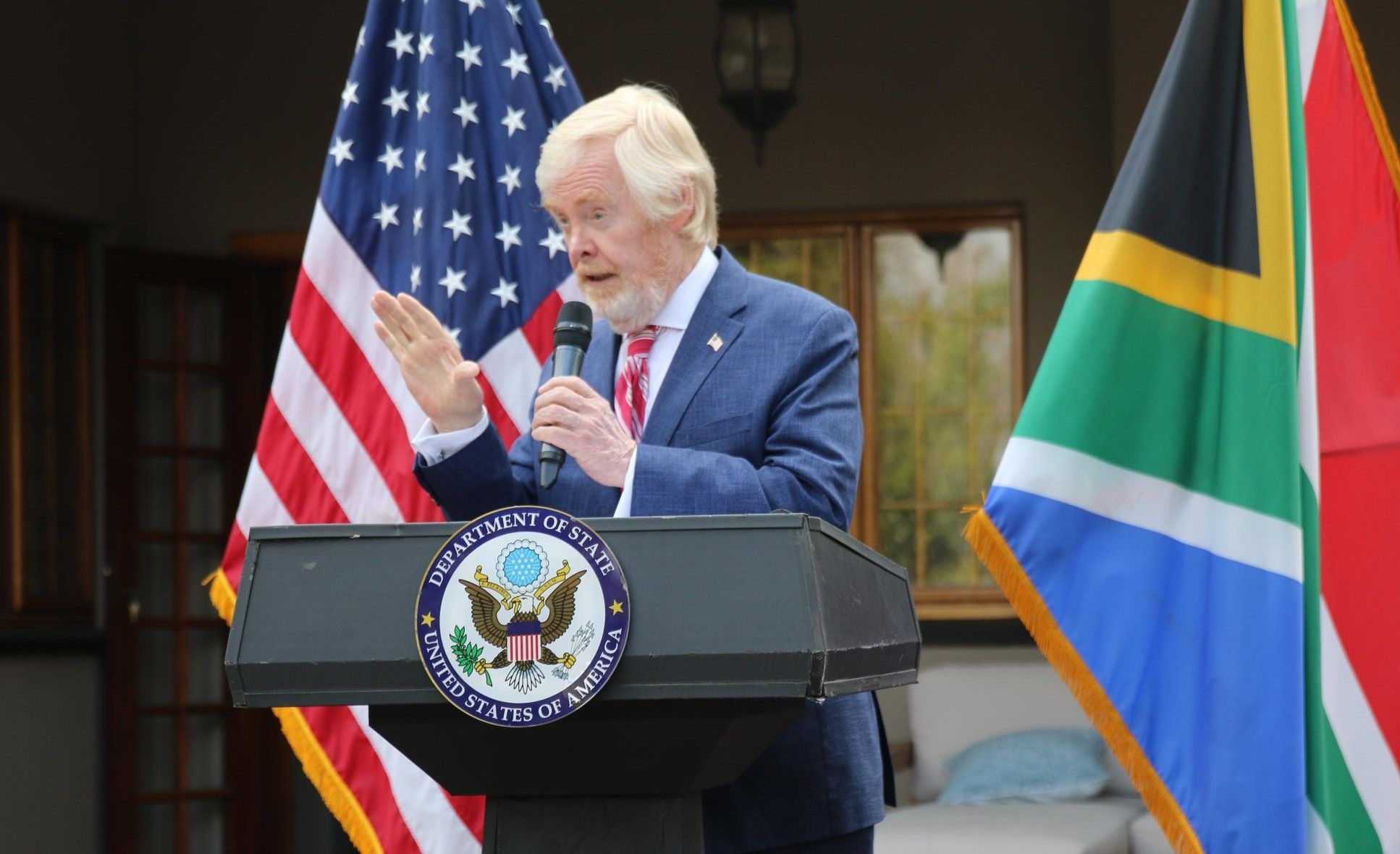
South Africa summons US ambassador for third time over 'undiplomatic conduct'
Relations between the two countries have been strained by US President Donald Trump's repeated false claims that white South Africans face systemic persecution.
Malaysia condemns illegal Israeli settlers' mass incursion into Al-Aqsa Mosque compound
Kuala Lumpur urges the UN Security Council to take urgent action over repeated violations of the holy site's historical and legal status quo.
Eight Egyptian sailors freed after months of being held on hijacked tanker
The sailors were aboard M/T Eureka, which was hijacked off Somalia's Puntland region in May.





All rights reserved. Newstimetr © 2026