The laws cover judicial appointments, the attorney general's powers, police investigations, media ownership and the grounds for declaring a prime minister unfit for office.
Yashar party leader Gadi Eisenkot’s bloc plans to repeal five major laws passed under Israeli Prime Minister Benjamin Netanyahu, seeking to reverse key parts of his legislative agenda before a new government takes office, Israeli daily Israel Hayom reported on Wednesday.
Party leaders have agreed to establish special parliamentary committees to pursue the repeals simultaneously, the newspaper said. The Democrats party led by Yair Golan is expected to chair most of the panels.
The initiative targets legislation that opponents say increased political influence over independent institutions and weakened checks on government power.
Judicial appointments and the attorney general’s powers
One committee would address two laws affecting the judiciary and government legal oversight.
The first changed the Judicial Selection Committee’s composition, replacing its two Israel Bar Association representatives with legal professionals chosen by the governing coalition and the opposition. Critics said the amendment strengthened political influence over judicial appointments.
The second split the attorney general’s responsibilities between a government legal adviser and a chief prosecutor. It also gave the government greater control over appointing and dismissing its legal adviser and allowed it to reject legal opinions or seek outside representation.
Police investigations and media ownership
A second committee would seek to reverse changes to the department investigating suspected crimes by police officers. The law removed it from direct oversight by professional prosecutors and gave the justice minister substantial influence over the appointment of its director.
Opponents warned that the changes could politicise investigations and compromise the department’s independence.
A third panel would tackle the media law, which lifted restrictions on cross-ownership of television channels and newspapers and removed institutional separation between newsrooms and their owners’ commercial interests.
The law also introduced official audience measurements to guide government advertising allocations, a mechanism critics said could favour broadcasters supportive of the government.
Prime minister’s fitness for office
A fourth committee would seek to repeal the amendment limiting the grounds for declaring a prime minister unfit for office to physical or mental incapacity.
Opponents argued that the measure was tailored to shield Netanyahu during his corruption trial. The Supreme Court postponed its application until the next Knesset rather than allowing it to take effect during the parliamentary term in which it was passed.
The Knesset’s legal adviser told bloc leaders that repealing the judicial measures could proceed relatively quickly, while reversing the media law would be more complicated, according to Israel Hayom.
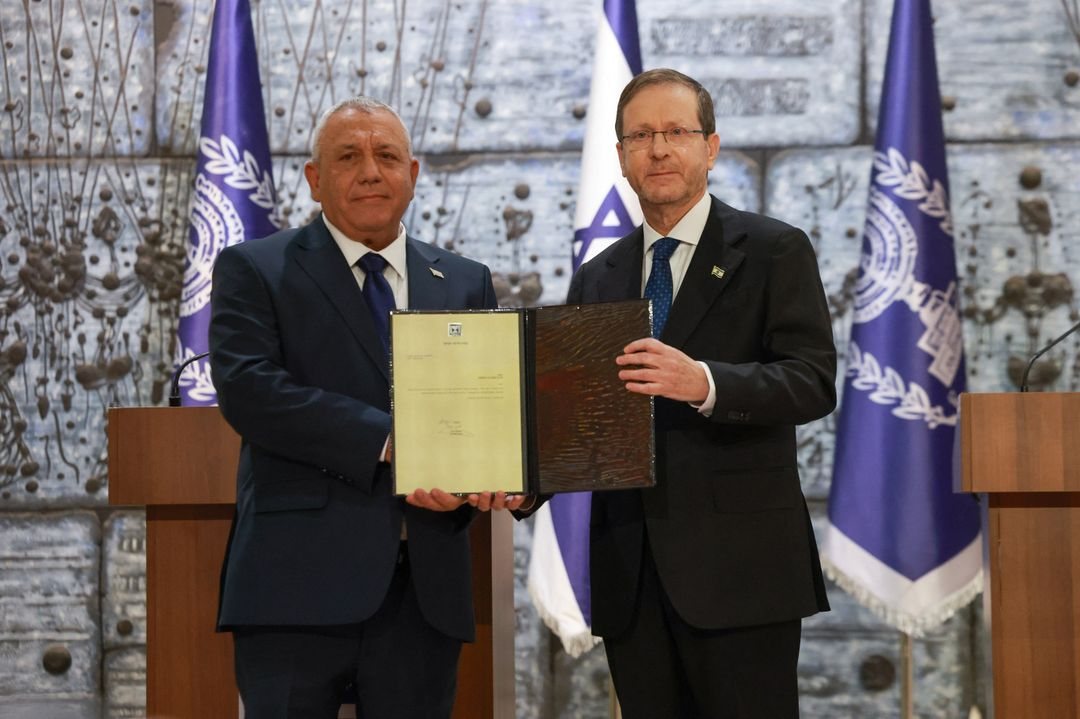
The initiative comes as Eisenkot negotiates a governing coalition. President Isaac Herzog formally tasked him with forming a government on Sunday, giving him 28 days, with a possible extension of up to 14 days.
Iranian President Masoud Pezeshkian says strikes on fuel facilities in Asaluyeh and Tehran caused severe environmental damage and urges accountability.