
Health authorities called for an accelerated Ebola response in the Democratic Republic of Congo on Wednesday as the death toll from the current outbreak rose above 1,750.
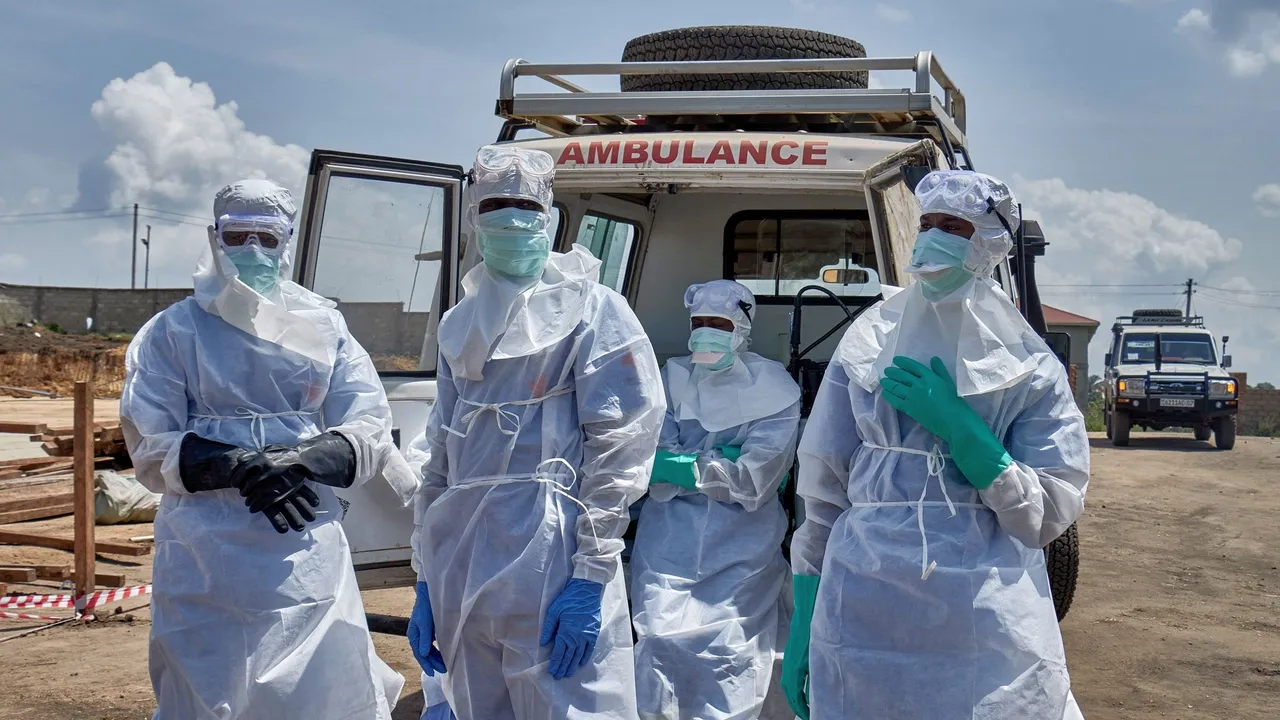
Health authorities called for an accelerated Ebola response in the Democratic Republic of Congo on Wednesday as the death toll from the current outbreak rose above 1,750 amid sustained transmission.
The latest Ebola outbreak in DR Congo has become the world's second-largest Ebola outbreak by recorded infections.
At least 3,874 cases, including 1,751 deaths, have been recorded since the outbreak was declared in mid-May, authorities said in the latest situation update. The case fatality rate stands at 45.1%.
Some 717 patients are currently in isolation or hospital, while 749 people have recovered.
Contact tracing
The country’s Public Health Emergency Operations Centre called for “strengthening of contact tracing and coordination” to reduce the risk of Ebola spreading due to the high mobility of the population.
The virus has affected five provinces: Haut-Uele, Ituri, North Kivu, South Kivu, and Tshopo.
Ituri remains the epicentre of the epidemic caused by the Bundibugyo virus strain.
On Tuesday, a team of health officials from the Africa Centres for Disease Control and Prevention and the World Health Organization (WHO) visited Ituri to meet the teams supporting the response.
Ebola may have broken out in January 2026
The officials inaugurated the Rwangole Ebola Treatment Centre in the provincial capital, Bunia, that is expected to expand access to timely, quality care and strengthen efforts to stop transmission and protect affected communities.
World Health Organization Regional Director for Africa Mohamed Janabi told reporters in Bunia that the response remained insufficient as the virus continued to claim people’s lives.
The official urged more support to combat the outbreak, which he said was outpacing response efforts.
More than 17,000 potential contacts are being monitored, according to WHO.
A study published last week in the journal Science showed that the current Ebola outbreak in DR Congo started in January, or even earlier, in a remote mining town in the eastern Ituri province.


Tanzania formally announces bid for a 2029–2030 non-permanent UN Security Council seat
The African Union’s Executive Council has recorded Tanzania’s candidacy for the 2029–2030 non-permanent Security Council term.
Boxing: Fury, Joshua clash date finally set for December
The December showdown will bring together two of Britain's biggest boxing names after more than a decade of failed attempts.
Morocco's PAM Party wins most parliamentary seats after low voter turnout
The election drew a turnout of 38 percent, marking the lowest level in almost two decades.