
Congo's Ebola outbreak has killed more people at a quicker rate than any outbreak on record, including the 2013-2016 outbreak that is considered the worst on record.
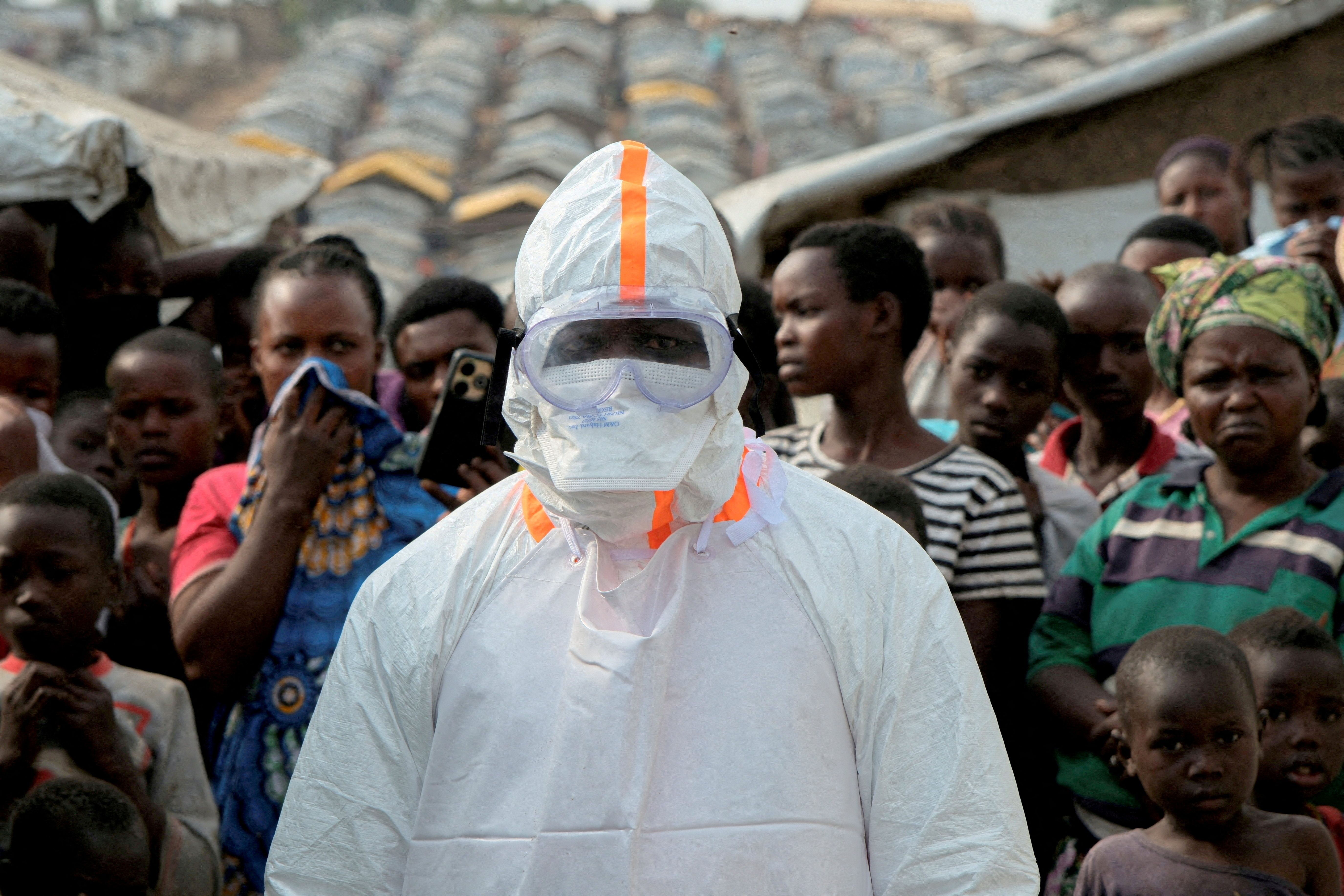
The Ebola outbreak declared in mid-May has killed more than 1,000 people in the Democratic Republic of Congo and Uganda, an overview published by the World Health Organization showed Wednesday.
Nearly 2,500 cases of the deadly virus have been confirmed, including 999 confirmed deaths in DRC and two in Uganda, according to the WHO table, based on official data from the two countries.
The outbreak is unlike most previous Ebola outbreaks because the Bundibugyo virus responsible for it has no approved vaccines or treatments.
But the WHO has reported "encouraging progress", with trials for two potential treatments, a vaccine and a post-exposure prophylaxis underway on the ground.
Vaccine trials
Trials for two potential treatments for Bundibugyo patients - the monoclonal antibody MBP134 and the antiviral drug remdesivir - have also been under way in Ituri since July 2.
The first safety trial began on Monday for the ChAdOx1 vaccine, led by the University of Oxford, Tedros said.
And on Tuesday, a trial of the antiviral obeldesivir began to test its effectiveness in post-exposure prophylaxis for people who had come in contact with confirmed Bundibugyo cases but had yet to develop the disease.
Even without approved vaccines and treatments, 377 people have recovered in the DRC.
The current Ebola outbreak has killed more people at a quicker rate than any outbreak on record, including the 2013-2016 outbreak that is considered the worst on record with over 11,000 deaths out of at least 28,000 cases. That outbreak took about eight months to reach 1,000 deaths.
‘Outbreak remains ahead’
WHO chief Tedros Adhanom Ghebreyesus warned last week that the outbreak had over the past month "expanded faster than any previous outbreak" of Ebola.
Despite a ramping up of the response, "the outbreak remains ahead of us and we are still in a phase of catching up", Thierno Balde, WHO's incident manager for Bundibugyo virus in DRC, told reporters on Tuesday.
Ebola is rare, but highly contagious and can be contracted via bodily fluids such as vomit, blood or semen. The disease it causes is severe and often fatal.


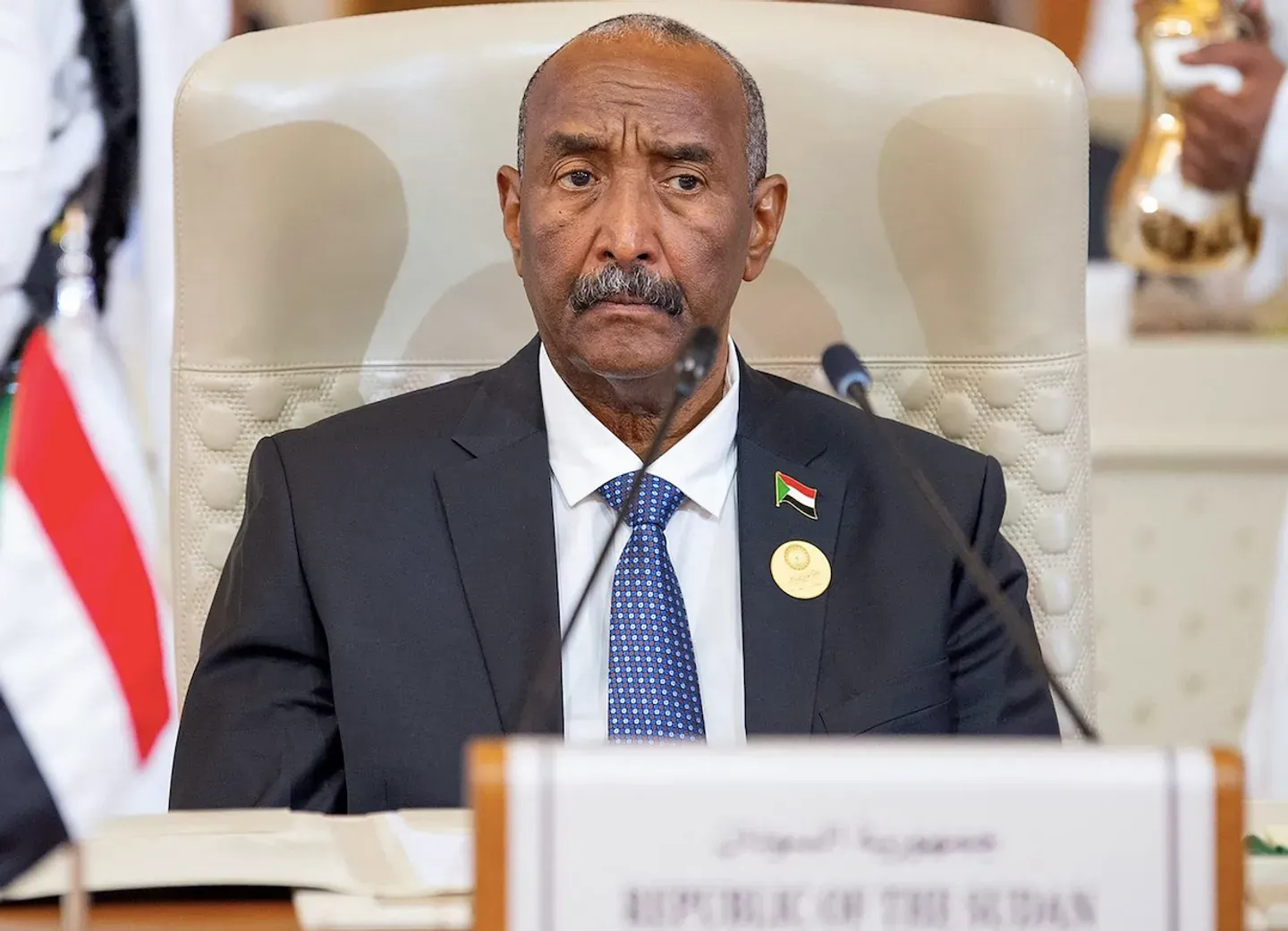
Sudan rejects US remarks questioning government legitimacy amid Burhan visa dispute
Khartoum urges Washington to respect Sudan’s sovereignty as activists and journalists criticise the reported linking of Transitional Sovereignty Council Chairman Abdel Fattah al-Burhan’s UN visa to a proposed 90-day truce.
Tanzania formally announces bid for a 2029–2030 non-permanent UN Security Council seat
The African Union’s Executive Council has recorded Tanzania’s candidacy for the 2029–2030 non-permanent Security Council term.
Boxing: Fury, Joshua clash date finally set for December
The December showdown will bring together two of Britain's biggest boxing names after more than a decade of failed attempts.