
Strategic stability narrative contrasts with concerns over opposition suppression and political freedoms
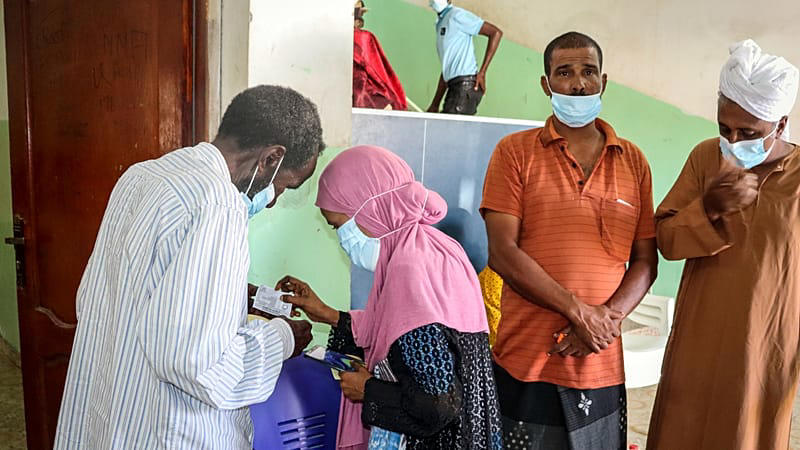
Djibouti’s long-serving president Ismaïl Omar Guelleh is widely expected to extend his 27-year rule, as the country heads into elections marked by a fragmented and largely silenced opposition.
Addressing a large crowd of supporters, Guelleh called for national unity, emphasizing cohesion above political divisions. He presented himself as a unifying figure and a guarantor of stability in a region often affected by conflict.
Since taking power in 1999, Guelleh has consolidated authority while positioning Djibouti as a key strategic hub. Located along the Bab el-Mandeb Strait, the country has become a major military and maritime center, hosting foreign bases from global powers including the United States, France, China, Japan, and Italy.
Supporters credit Guelleh with maintaining peace and unity in contrast to instability in neighboring countries such as Ethiopia and Somalia. However, critics and human rights organizations accuse his government of suppressing dissent, restricting press freedom, and limiting political competition.
Opposition voices have described the upcoming vote as a “foregone conclusion,” raising concerns about the credibility and transparency of the electoral process.
At 78, questions have also emerged regarding Guelleh’s health and his ability to complete a potential sixth term, adding another layer of uncertainty to Djibouti’s political future.
Source: Newstimehub

Related stories


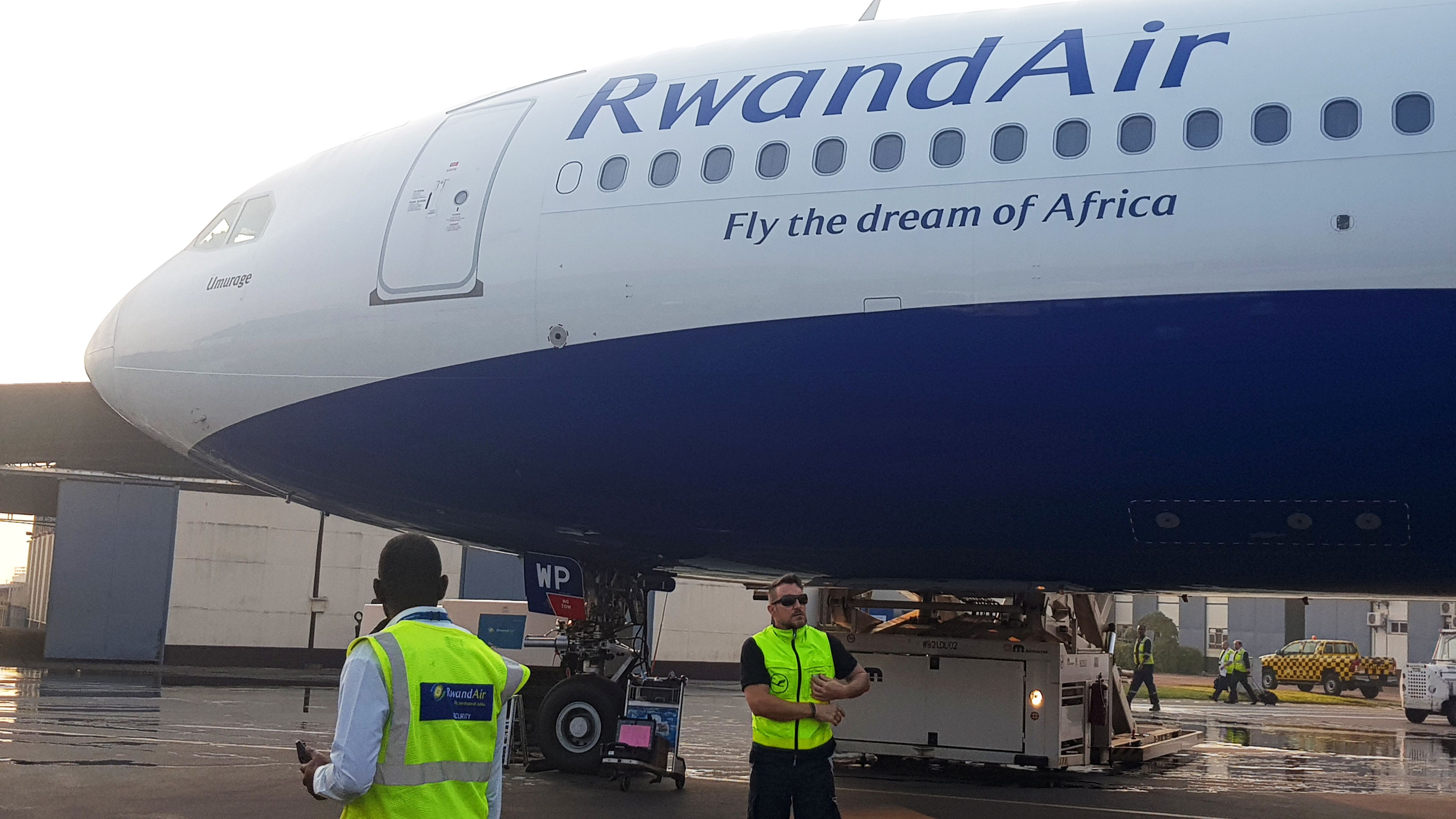
Qatar Airways lends pilots to Rwandan flag carrier as Iran war drags
A Qatar Airways spokesperson said the voluntary short-term secondment opportunity offered valuable flying opportunities for pilots.
Will Africa ever get permanent seats on UN Security Council?
World leaders, particularly from Africa and the wider Global South, have argued that a body created more than 80 years ago no longer reflects the world it represents.
Erdogan: Mecca defence pact not aimed at Iran or Israel
President Erdogan says the Mecca Joint Defence Agreement reflects shared responsibility, not an alliance against any country, and is grounded in self-defence rights.