Decades after gaining independence from colonial masters, many of Africa's 1.4 billion people still live as economic subjects.
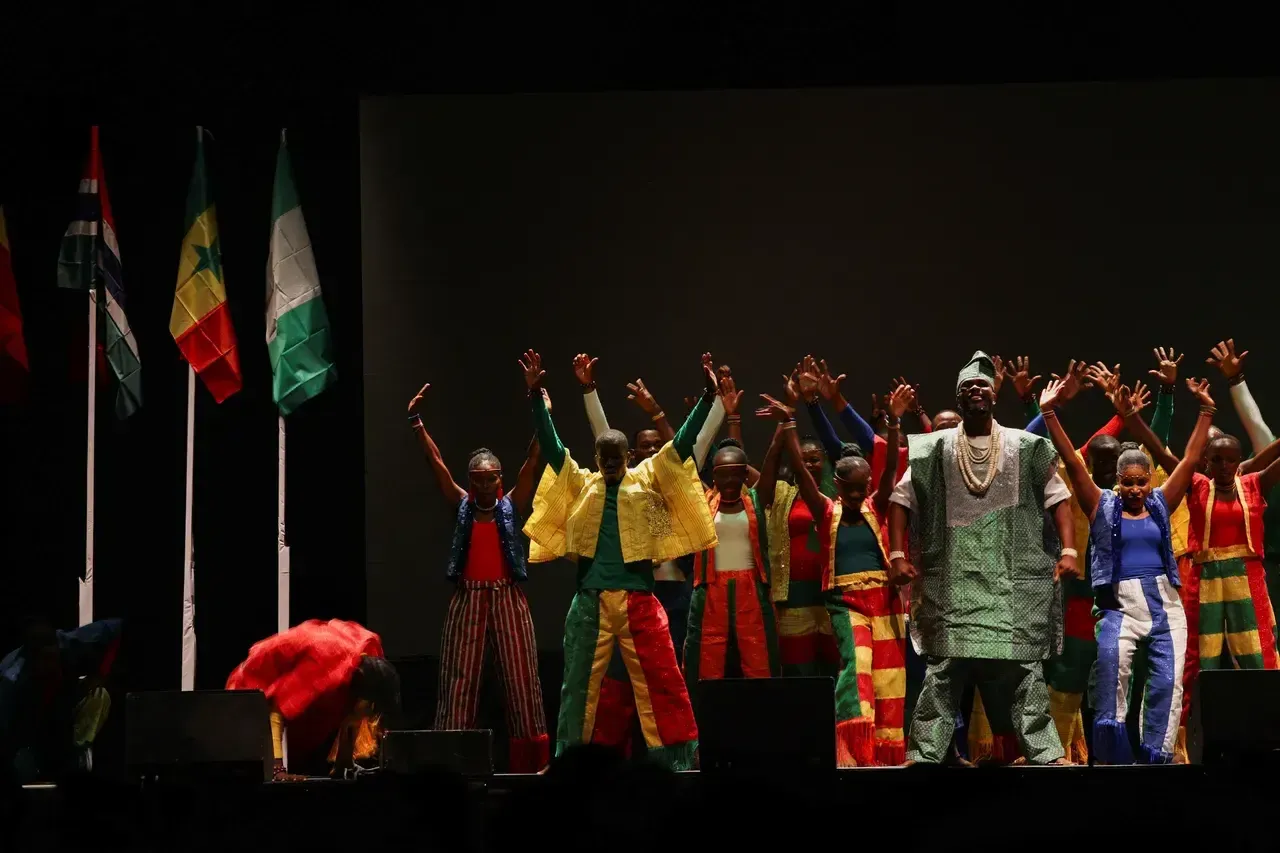
Over sixty‑odd years after the first flags of independence fluttered over Accra, Dar es Salaam, and Lusaka, African Freedom Day still stirs something primal in us. The parades, the anthems, the re‑enactments of midnight ceremonies, all necessary, all sacred. But if we are honest, the freedom we celebrate remains dangerously unfinished.
We won political liberty from colonial masters, yes. But too many of our 1.4 billion people still live as economic subjects, of foreign creditors, of extractive industries, of a global financial architecture designed when Africa was still a chessboard for empires.
This is not pessimism. It is a diagnosis. And diagnosis is the first act of healing.
Today, as we mark May 25th, the continent faces four overlapping crises that demand a new kind of liberation struggle.
Colonial debt
First, debt colonialism, the quiet, legalistic successor to gunboat diplomacy.
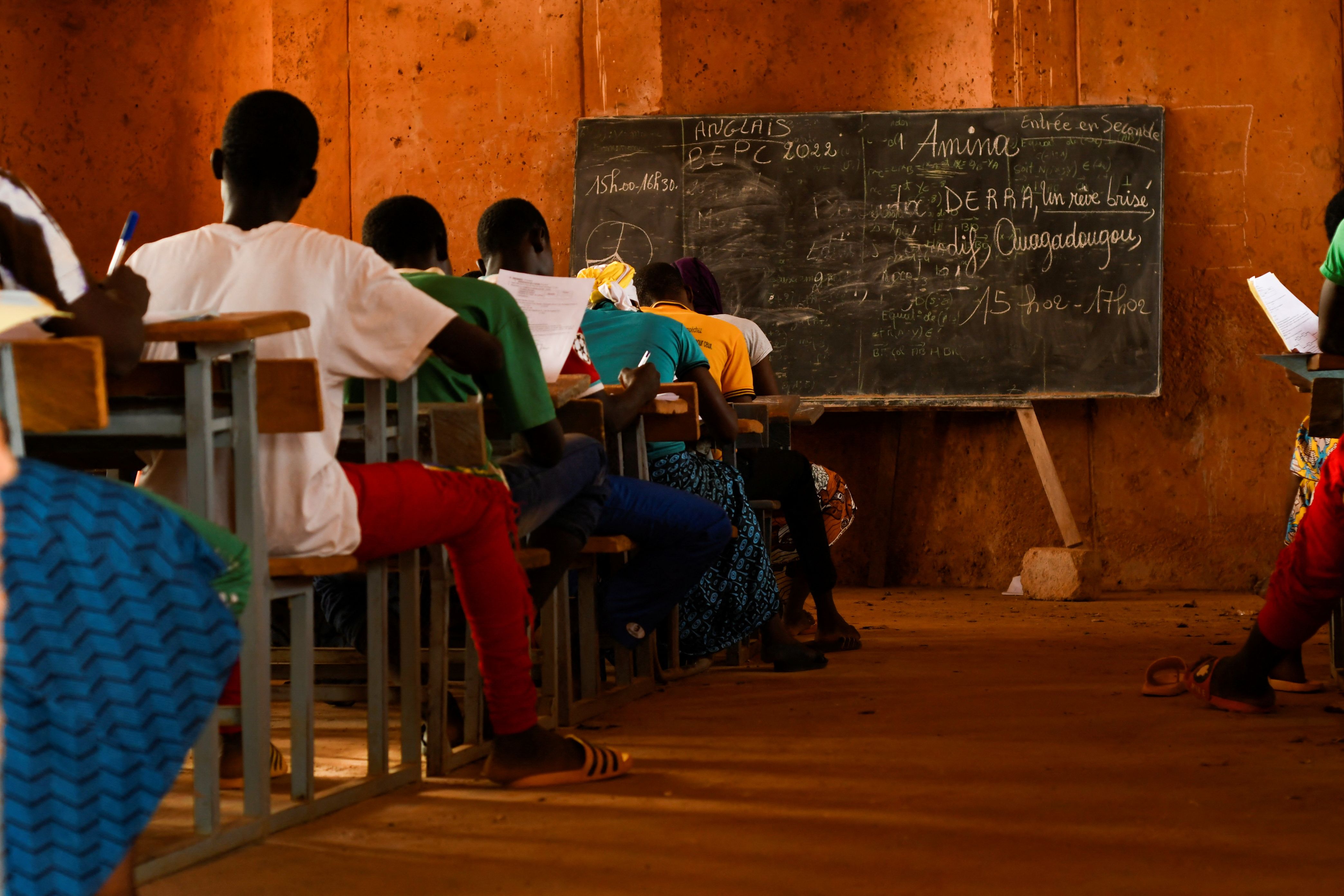
Between 2010 and 2023, Africa’s external debt nearly tripled, with servicing costs now swallowing over 20% of government revenues in countries like Zambia, Ghana, and Kenya. We call it a “liquidity crisis.” But when a child misses school because teachers’ salaries are diverted to bondholders in London or Paris, that is not liquidity. That is sovereignty deferred.
Second, the climate cost no one pays. Africa contributes less than 4% of global emissions yet suffers some of the harshest droughts, floods, and cyclones. The rich world pledges adaptation funds , then delivers pennies. Meanwhile, our farmers in the Sahel or Southern Africa watch seasons break like old pottery. Freedom without climate justice is freedom on paper.
Third, youth exclusion dressed as demography. By 2050, one in three young people on earth will be African. That is not a burden; it is the greatest human capital gift any generation has received. Yet our economies create barely three million formal jobs annually for the estimated fifteen million young Africans entering the labour market each year. What happens to the other twelve million? They become migrants risking the Mediterranean, or citizens losing faith in democracy itself. It is a failure of delivery.
Fourth, the fragmentation of our own unity. The African Union’s Agenda 2063 speaks of an integrated, prosperous continent. But intra‑African trade remains stuck at roughly 15% of total trade, compared to nearly 70% in Europe. We still fly to each other’s capitals as if crossing hostile borders. The African Continental Free Trade Area (AfCFTA) is a magnificent promise, but promises don’t fill factories. Implementation lags, infrastructure gaps yawn, and too often, old colonial currencies and trade routes still dictate our commerce.
Economic freedom
So, what does genuine economic emancipation demand?
First, a debt justice movement as fierce as the anti‑apartheid struggle. We need transparent lending, binding G20 Common Framework reforms, and an African credit rating agency to escape the duopoly of Moody’s, S&P, and Fitch, which have systematically downgraded African nations during crises, raising our borrowing costs while the West received zero‑interest bailouts.
Second, value addition as a non‑negotiable. Exporting cobalt, lithium, and copper for others to refine into electric vehicles is not trade; it’s tribute. We must finally operationalise African Green Minerals Strategy, building local refining, battery manufacturing, and recycling. Freedom means a Congolese miner’s daughter can become an engineer who processes her country’s own minerals.
Third, a social contract rebooted. Governments must treat fiscal discipline and public investment not as opposites but as partners. That means taxing extractive multinationals fairly, curbing illicit financial flows (estimated at $80‑90 billion annually – more than Africa receives in aid), and spending on healthcare, education, and digital infrastructure as if our lives depend on it. Because they do.
But none of this happens without we, the people. Not hashtags. Not summits. Organised, relentless, hopeful pressure. The generation that fought colonialism had no smartphones, no satellite TV, no crypto. They had courage and unity. We have infinitely more tools. The question is whether we have equal courage.
On this Freedom Day, let’s retire the passive celebration. Let’s replace speeches with scorecards. Hold leaders accountable, not to foreign donors, but to the African child who still lacks clean water while her country’s river is dammed for export agriculture. Let’s build a new Pan‑Africanism rooted not in nostalgia for liberation flags but in the gritty work of making those flags mean something at the market, the clinic, and the bank.
I am Kennedy Chileshe, from Zambia, a country that defaulted on its debt, but we had it restructured and still fights for a fair deal. I believe the next phase of Africa’s liberation will not be televised from colonial‑era ballrooms. It will be forged in factory floors, tech hubs, and village savings groups where people refuse to be poor on a rich continent.
The first freedom fighters gave us the flag. We owe them, and every unborn African, the economy to match.
Happy Freedom Day. Now, let’s get to work.
The author, Kennedy Chileshe is the Executive Director of Jubilee Leaders Network, Zambia.
Disclaimer: The views expressed by the author do not necessarily reflect the opinions, viewpoints and editorial policies of TRT Afrika.