
Africa's top public health agency said on Tuesday it does not support travel bans in response to the continent's worsening Ebola outbreak, urging the US to lift restrictions imposed on Uganda.
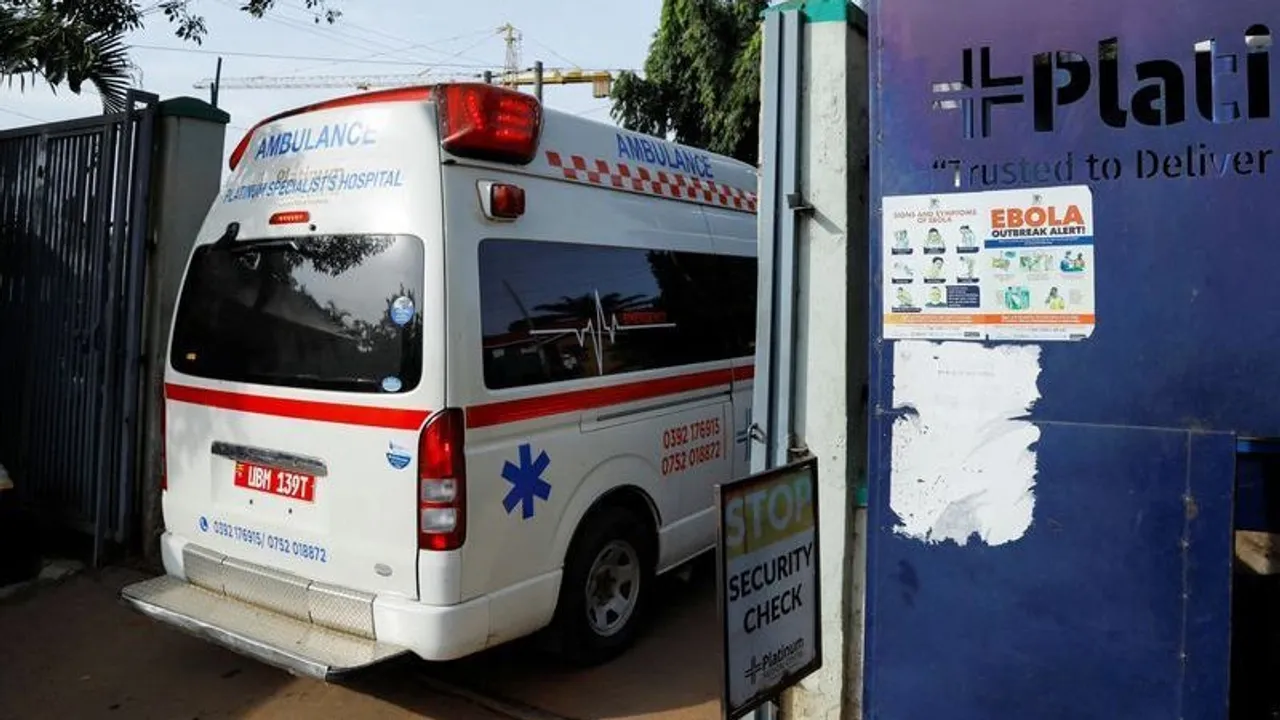
Africa's top public health agency said on Tuesday it does not support travel bans in response to the continent's worsening Ebola outbreak, urging the United States to lift restrictions imposed on Uganda.
The appeal comes days after Washington tightened travel restrictions linked to the current Ebola outbreak, which originated in the Democratic Republic of Congo, on travellers from the DRC, Uganda and South Sudan.
Speaking at an African Union health summit in the Ghanaian capital, Accra, Africa Centres for Disease Control and Prevention director-general Jean Kaseya said the agency was "not advising" travel bans.
Public health experts have argued during previous Ebola outbreaks that travel bans hinder medical supplies and personnel and disrupt trade, instead pushing for disease surveillance and case isolation.
Three weeks without recording new Ebola case
Kaseya said he had written to US health secretary Robert F. Kennedy requesting the lifting of travel restrictions on Uganda specifically, arguing the country had gone three weeks without recording a new Ebola case and discharged its last patient on July 16.
"There is no reason for the US to continue with this travel restriction," he said, adding that countries should not be "punished" for being transparent about disease outbreaks.
Even as he opposed travel restrictions, Kaseya warned the outbreak itself was escalating rapidly.
"If we don't stop this outbreak today, it will be the worst one that the world will be documenting," he said.
More than 2,300 confirmed Ebola cases in DRC
There have been 2,344 confirmed cases of Ebola in the DRC, including 930 deaths, since the outbreak was declared in mid-May, according to the World Health Organization.
Uganda has reported 20 cases and two deaths – mostly Congolese citizens who crossed the border.
The Africa CDC estimates it needs $1.4 billion to contain the outbreak, almost three times the $518 million initially projected last month.
"If we don't have this money, we will not stop this outbreak," Kaseya said, adding African countries had so far pledged about $110 million.
Strengthening health systems
He said health authorities should be monitoring nearly 97,000 contacts linked to confirmed Ebola cases but were currently following only about 8,500 people.
The remarks came as ministers from across Africa met during the African Union summit, where leaders are expected to adopt a roadmap on Wednesday aimed at strengthening health systems, improving epidemic preparedness and accelerating progress towards ending AIDS by 2030.


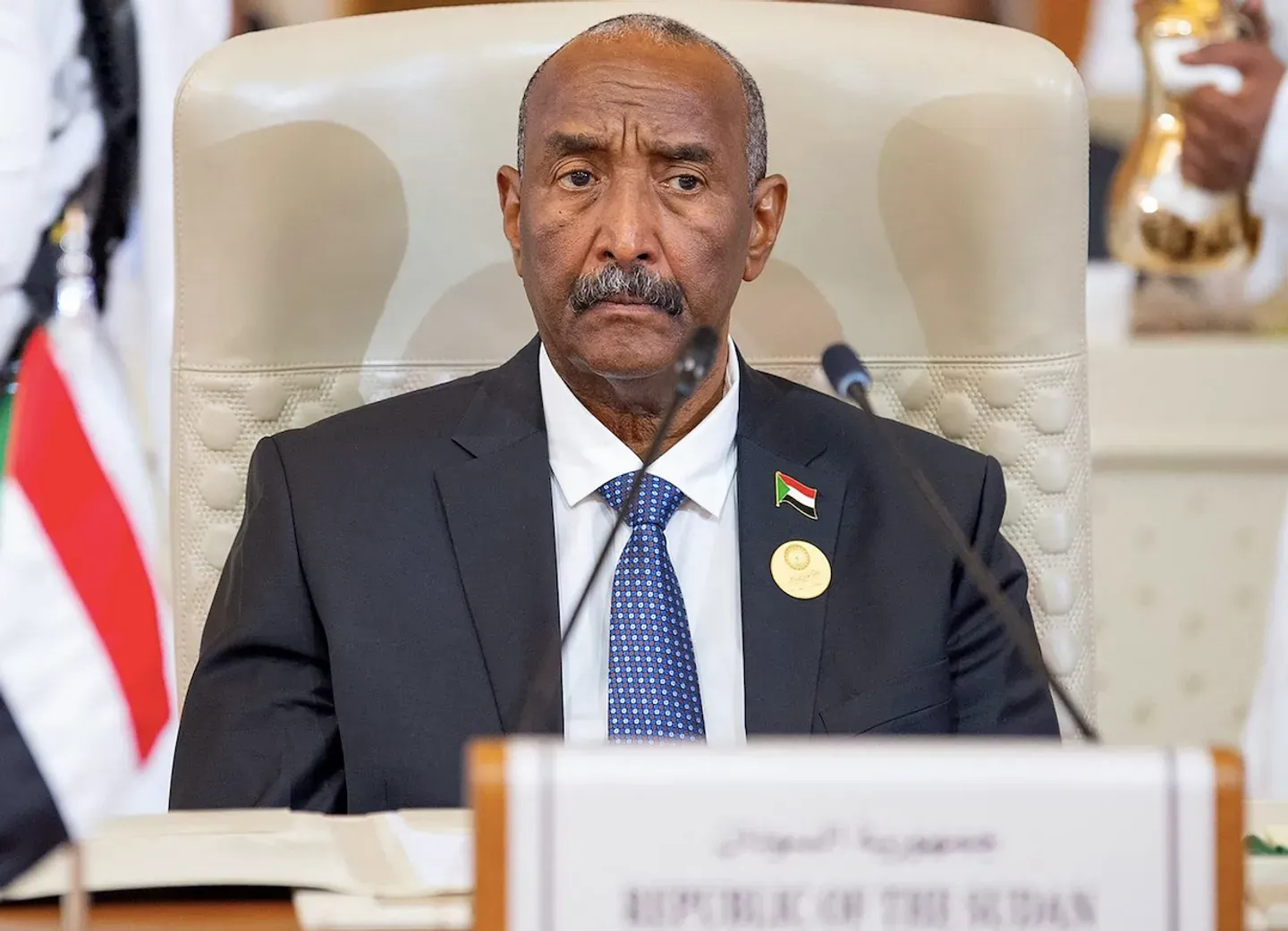
Sudan rejects US remarks questioning government legitimacy amid Burhan visa dispute
Khartoum urges Washington to respect Sudan’s sovereignty as activists and journalists criticise the reported linking of Transitional Sovereignty Council Chairman Abdel Fattah al-Burhan’s UN visa to a proposed 90-day truce.
Tanzania formally announces bid for a 2029–2030 non-permanent UN Security Council seat
The African Union’s Executive Council has recorded Tanzania’s candidacy for the 2029–2030 non-permanent Security Council term.
Boxing: Fury, Joshua clash date finally set for December
The December showdown will bring together two of Britain's biggest boxing names after more than a decade of failed attempts.