A New Security Order Emerges as NATO Summit Signals a Turning Point for Global Alliances
Editor:
Halimatou HAMADOU DJIBO
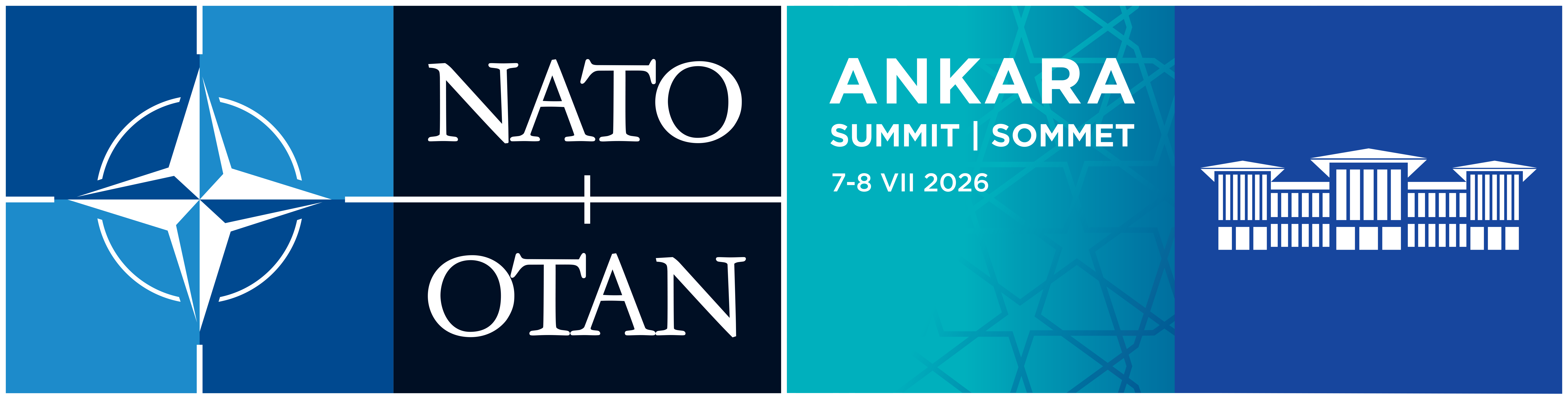
The 2026 NATO Summit in Ankara is shaping up to be one of the alliance's most consequential meetings in decades.
For more than seventy-five years, NATO has served as the cornerstone of Western collective security. Yet the challenges facing the alliance in 2026 differ dramatically from those that shaped its Cold War origins. Rather than confronting a single geopolitical rival, NATO now finds itself responding simultaneously to Russia's war against Ukraine, instability across the Middle East, intensifying strategic competition with China, cyber threats, artificial intelligence and growing uncertainty about the future role of the United States in European security.
Against this backdrop, leaders from all 32 NATO member states have arrived in Ankara for a summit that many analysts describe as a defining moment for the alliance. Hosted by Türkiye, the meeting is expected to produce decisions that will influence international security for years to come.
Perhaps the most important issue dominating discussions is Europe's growing recognition that it may need to assume greater responsibility for its own defense.
For decades, European security has relied heavily on American military power. However, Washington's strategic priorities are evolving. U.S. policymakers increasingly view the Indo-Pacific region and competition with China as long-term priorities, while European governments are being encouraged to expand their own military capabilities and defense industries.
The summit is therefore expected to focus heavily on increasing defense investments across Europe. Several member states have already announced significant spending increases, while NATO officials continue urging governments to accelerate military modernization and improve readiness.
Few subjects have generated more debate than military spending.
The United States has repeatedly argued that European allies should contribute a greater share of NATO's collective defense burden. Discussions in Ankara are centered on long-term commitments that would significantly raise defense budgets over the coming decade, while expanding industrial production for weapons, ammunition and advanced military technologies.
Supporters argue that stronger European defense capabilities would make NATO more resilient regardless of future political changes in Washington.
Critics, however, warn that rapidly increasing military expenditures could place additional pressure on national budgets already strained by inflation, demographic challenges and slowing economic growth.
Although the geopolitical agenda has broadened considerably, Ukraine remains central to NATO's strategic planning.
Military assistance, training programs and long-term security guarantees continue to dominate high-level discussions. European governments are expected to reaffirm substantial support packages designed to strengthen Ukraine's defensive capabilities while maintaining pressure on Russia.
Officials insist that maintaining support for Kyiv is not simply about one country but about preserving the credibility of the international security order established after World War II.
Hosting the summit represents a significant diplomatic opportunity for Türkiye.
Positioned between Europe, the Middle East, the Black Sea and the Caucasus, Türkiye occupies one of NATO's most strategically important locations. Ankara has played multiple roles during recent international crises, serving both as a security partner within NATO and as a diplomatic mediator in regional conflicts.
By welcoming world leaders, Türkiye aims to strengthen its position within the alliance while highlighting its expanding defense industry and growing geopolitical influence. Analysts note that Ankara increasingly seeks to balance its regional diplomacy with its responsibilities as a NATO member.
Unlike previous NATO summits that focused primarily on conventional military power, the Ankara meeting reflects how rapidly technology is changing global security.
Artificial intelligence, cyber defense, autonomous weapons, satellite communications and critical infrastructure protection now occupy central positions in alliance planning.
Military experts argue that future conflicts may be determined as much by algorithms, semiconductor production and cyber resilience as by traditional military hardware.
The race for technological superiority has therefore become inseparable from national security strategies across NATO.
Although NATO was created to defend Europe, China's growing economic and technological influence is becoming an increasingly important part of alliance strategy.
European governments remain divided over how closely security policy should align with economic competition involving Beijing.
Some members advocate stronger coordination with Indo-Pacific partners, while others emphasize maintaining economic ties with China despite strategic disagreements.
This balancing act reflects a broader transformation in international politics, where economic interdependence coexists with increasing geopolitical rivalry.
Security today extends well beyond armed forces.
Energy infrastructure, food supply chains, artificial intelligence, undersea communication cables, financial networks and digital platforms have all become essential components of national resilience.
Recent global crises—including pandemics, cyberattacks and supply chain disruptions—have demonstrated that modern security depends on far more than military capability alone.
As a result, NATO's agenda increasingly includes cooperation with private industry, technology companies and critical infrastructure operators.
Perhaps the most important question emerging from Ankara concerns the future relationship between North America and Europe.
The alliance remains politically united on core security principles, yet member states increasingly acknowledge that responsibilities within NATO are changing.
European governments are investing more heavily in defense industries while simultaneously attempting to preserve close cooperation with Washington.
Analysts believe the success of this transition will determine whether NATO remains the world's most influential security alliance during the coming decades.
History may remember the 2026 Ankara Summit not because of a single declaration but because it marked the beginning of a new strategic era.
Rather than expanding geographically, NATO is adapting conceptually. The alliance now confronts challenges that range from cyber warfare and artificial intelligence to energy security and geopolitical competition extending well beyond Europe.
The decisions taken in Ankara are unlikely to resolve every international crisis. However, they may determine how democracies cooperate in an increasingly fragmented and unpredictable world.
As global power becomes more diffuse and technological change accelerates, NATO's ability to adapt will shape not only the future of the alliance but also the broader international security order.






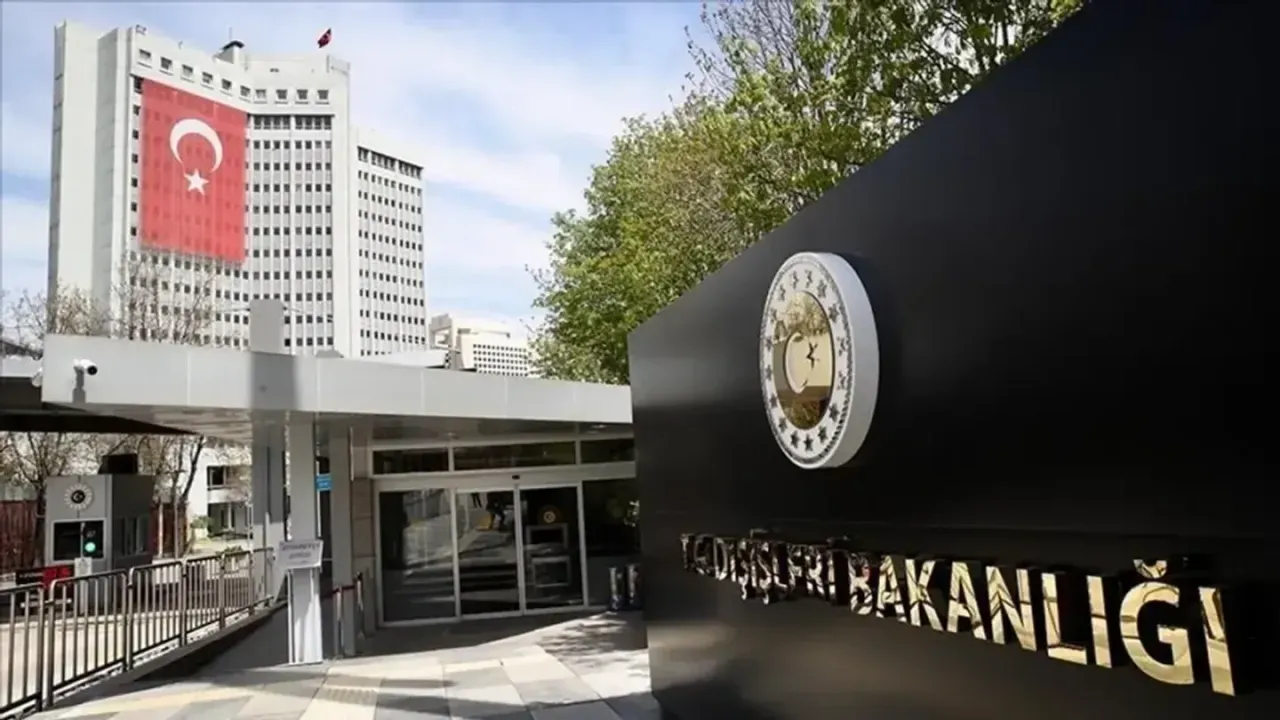
Türkiye 'strongly' condemns deadly Houthi militia attack on Riyadh airport
Ankara says attacks targeting civilians and civilian infrastructure violate international law.
Djibouti migrant boat tragedy kills at least 109 people, including 15 children
At least 109 migrants died, including 15 children, and approximately 116 others went missing when a boat sank off the shores of Djibouti overnight on October 8-9.
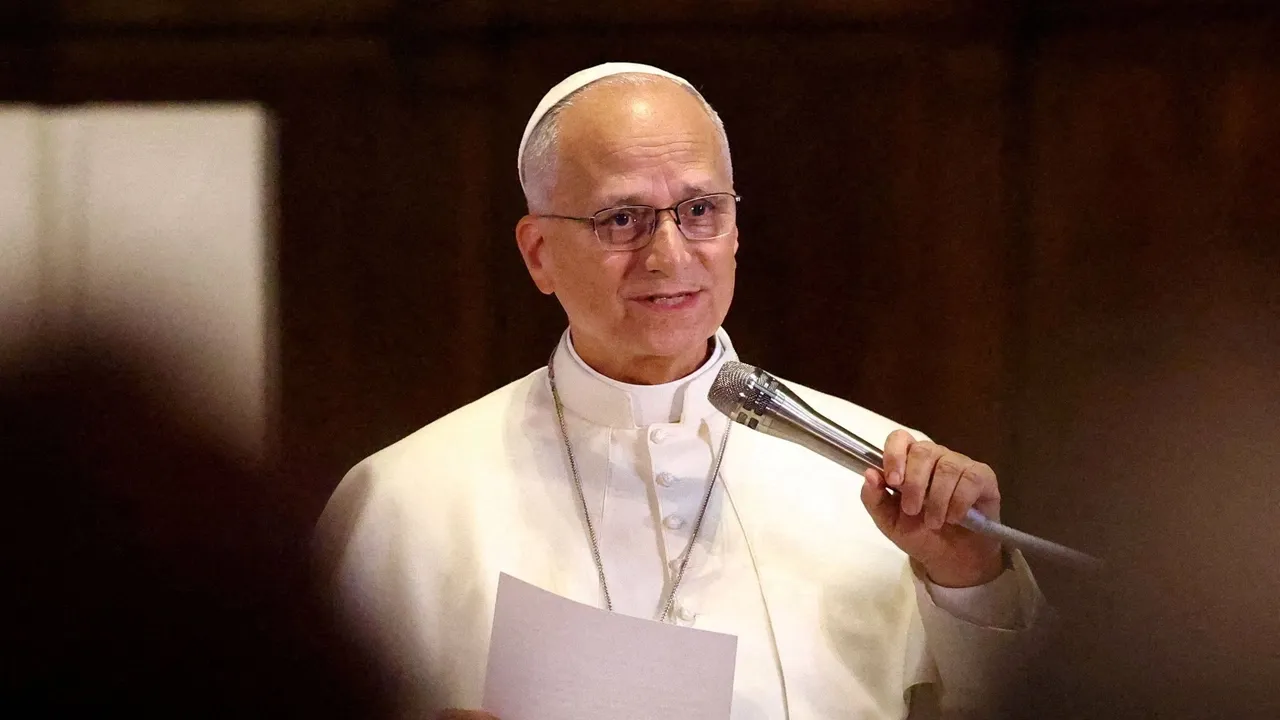
Pope Leo announces he will undergo surgery after lung growth detected
Pope Leo said on Sunday that doctors had detected a small growth on his lung during a recent health check and he would be undergoing surgery this week to remove it.




All rights reserved. Newstimetr © 2026