
Fela was popular for constantly sparring with authorities through open-air music sessions, where he used lyrics to criticise the heavy-handedness of military officers.
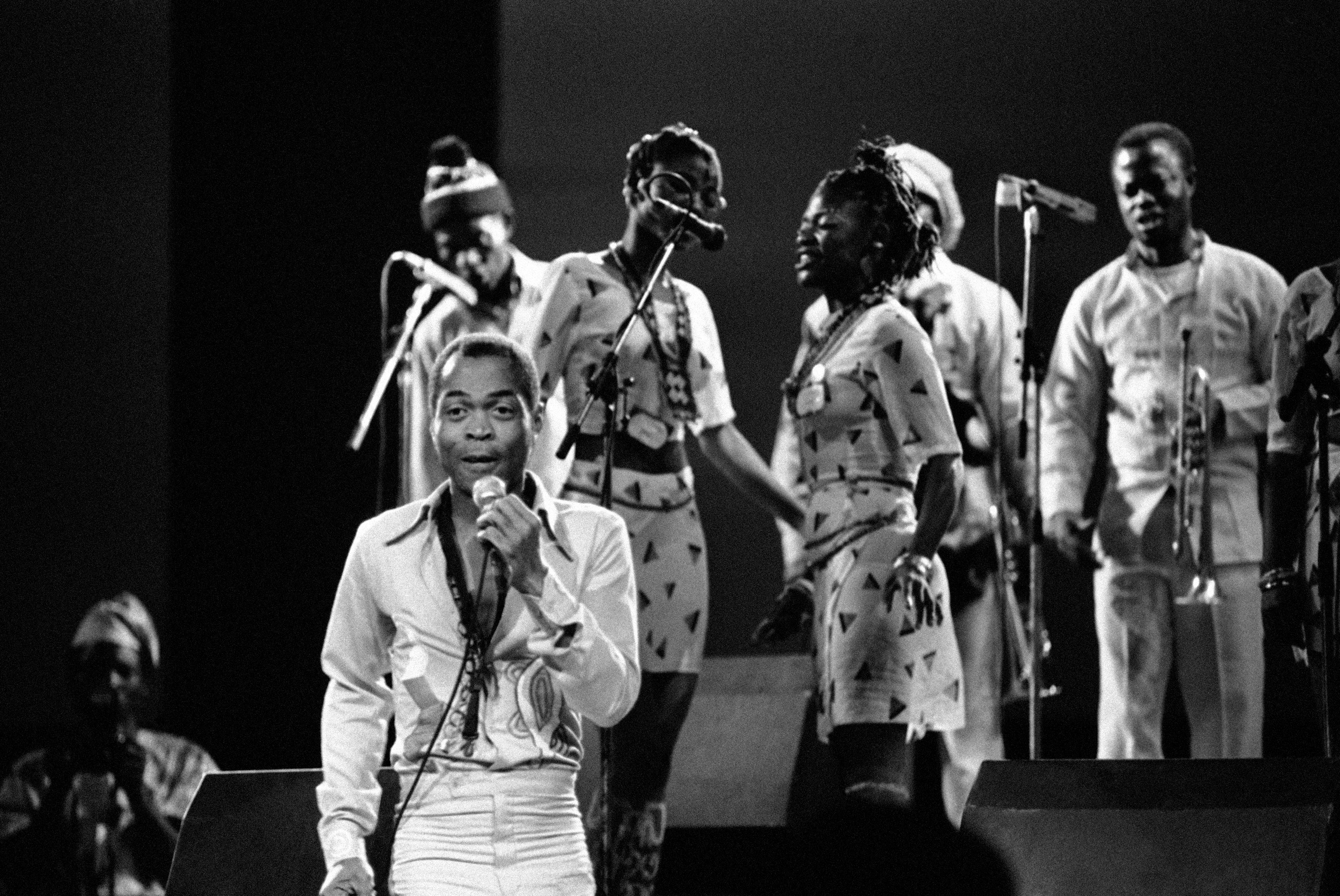
Born in 1938, under colonial rule, Fela Kuti is arguably one of Nigeria’s greatest artists. His musical career spanned more than four decades, from the late 1950s to the 1990s. Fela, who died in 1997, was posthumously honoured with a Lifetime Achievement Award at the Grammy Awards in February.
Fela's “Zombie” album, released in 1976, was a criticism of the then-Nigerian military leadership, with the zombie metaphor used to describe the methods used in the military. His lyrics mimicked the martial parade of soldiers with commands to march, salute, and fire.
The ‘zombie’ comes originally from West and Central African mythology and is figuratively a figure that is helplessly inhabited by the spirits of the dead and under their influence.
The Zombie backstory
By 1976, the Nigerian military had been in power for a decade, following a coup. A brutal civil war killed at least three million people, rocking the fledgling democracy of the resource-rich nation after independence from Britain in 1960.
Since breaking into the limelight, Fela was already popular for constantly sparring with the authorities through open-air music sessions at his clubhouse, where he used lyrics to criticise the heavy-handedness of the then-military officers. But with the release of “Zombie,” the gloves were off.
“In a way, we saw him as a symbol of our own nascent attempt to protect our limited horizon of freedom,” Yau, now 66 and an Abuja-based political activist, told The Associated Press.
Afrobeat was the brainchild of Fela and the legendary drummer Tony Allen. It was an instrument-driven genre that blended West African traditional rhythms with Black American sounds such as jazz and funk.
“Zombie” was originally released as a two-track album with a duration of 25 minutes and 24 seconds. Music critics say it stands out as the most distinctive among Fela’s political releases. The other track, “Mister Follow Follow,” is another song about blind obedience to authority and the status quo.
Broken promises of prosperity
When Nigeria gained independence in 1960, expectations were high, especially since the discovery of some of the world’s biggest oil deposits, mainly in the Niger Delta. For most people, though, the oil boom did little to improve their economic prospects.
The military rulers who seized power in 1966 would use that failure as a pretext to maintain their hold on power, accusing the civilian government of corruption and squandering the nation’s wealth.
Even after military rule had ended, it left a legacy of an overly powerful political class and a lack of development, which Fela railed against.
According to the Nigeria Bureau of Statistics, 63% of Nigerians now live in what is called 'multidimensional poverty' — not only cash-poor but lacking access to basic amenities, with a high youth unemployment rate. The nation currently faces a complex security crisis from terrorists and criminal groups that carry out widespread killings and kidnappings.
“Fela was actually ahead of his time, because he seemed to have foreseen the kind of rot and decay,” music critic Dami Ajayi said. Fela’s achievement remains unmatched.
Repercussions
The release of “Zombie” brought swift and brutal consequences for Fela. The then-military government sent 1,000 soldiers to his residence, a compound that he had declared independent from Nigeria and not subject to the country’s laws, and burnt it down.
His mother, Funmi Ransome-Kuti, a prominent activist, sustained injuries in the raid that led to her death, and the artist himself was also badly hurt.
Since then, other Nigerian artists have attempted to criticise the government’s excesses in genres including reggae, fuji, and pop, but critics say none of them have come close to what Fela achieved.


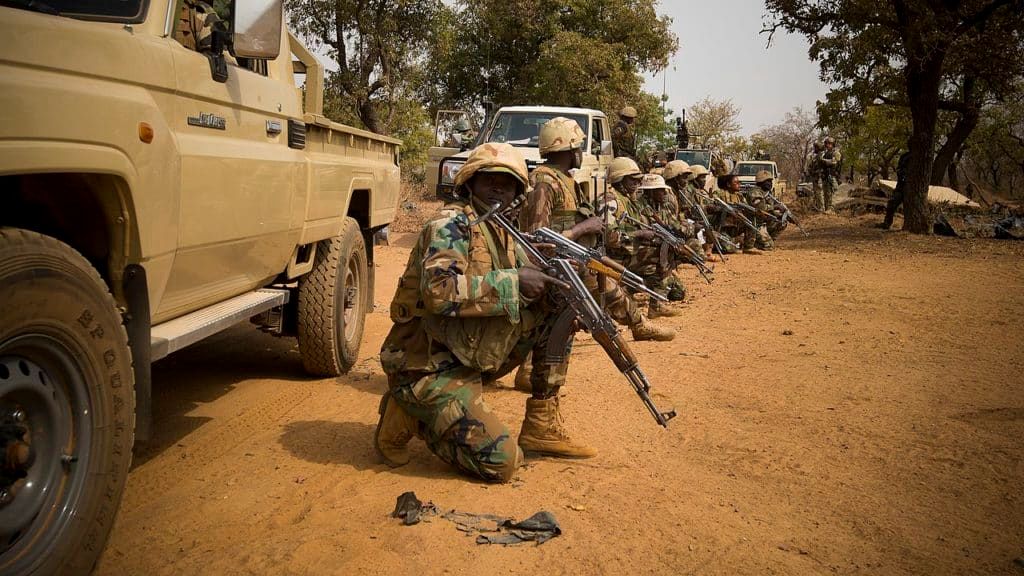
US sends $2.3M in military equipment to Niger despite strained ties
The aid package comes as Washington deepens engagement with governments in the Sahel, prioritising security cooperation against escalating terrorist violence.
Hajj: Saudi Arabia announces end of season with over 1.7M pilgrims in 2026
Makkah regional governor says this year's Hajj season witnessed 'an integrated system of security, organization and services' that allowed pilgrims to perform their rituals smoothly and safely
Uganda’s open door and the enduring power of African solidarity
By welcoming those in need and enabling them to rebuild their lives, Uganda affirms a timeless truth: nations are strengthened not by exclusion, but by the courage to include.